

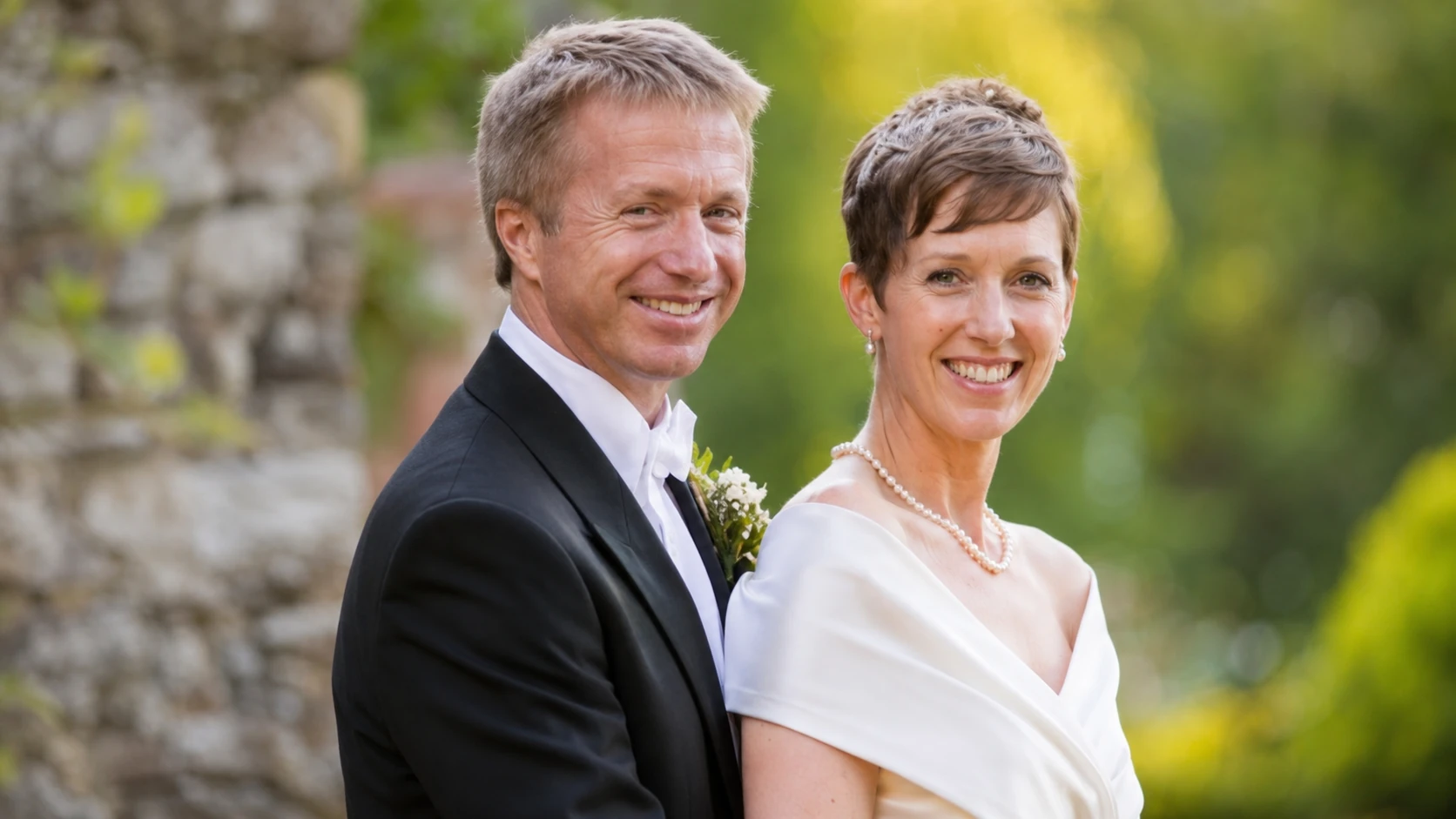
For years, viewers around the world have known Lucy Williamson as the calm, intelligent BBC correspondent reporting from some of the most tense and emotionally charged places on earth. Whether standing outside the Bataclan concert hall after the Paris attacks, reporting from Jerusalem during conflict in the Middle East, or explaining political unrest in Europe and Asia, Williamson built a reputation for careful journalism and measured reporting. Yet while her professional life has unfolded publicly, her private life has remained far more guarded. That privacy is exactly why searches for “Lucy Williamson husband” continue to grow.
Unlike celebrities who regularly discuss relationships in interviews or on social media, Williamson has kept her personal world largely separate from her work. Still, public records and widely referenced reports connect the BBC journalist with academic and foreign policy specialist John Nilsson-Wright. Their relationship has drawn interest not because of tabloid scandal or public drama, but because both individuals operate in high-level international fields shaped by politics, diplomacy, and global affairs.
The story surrounding Lucy Williamson’s husband is therefore less about celebrity gossip and more about understanding the person behind one of the BBC’s best-known foreign correspondents. It is also a story about privacy, professionalism, and the unusual pressures faced by journalists who spend years reporting from conflict zones and politically sensitive regions.
Lucy Williamson’s Rise as a BBC Correspondent
Before discussions about her marriage ever became a search trend, Lucy Williamson had already established herself as one of the BBC’s respected international journalists. Over the years, she reported from Europe, Asia, and the Middle East, covering stories that demanded both emotional restraint and political understanding.
Williamson became especially familiar to British audiences during her work as the BBC’s Paris correspondent. France was going through a difficult period marked by terrorism fears, social division, and political tension, and Williamson’s reporting often placed her directly at the center of these major events. Her coverage of the November 2015 Paris attacks and the years that followed helped cement her reputation as a serious foreign affairs journalist capable of explaining complicated stories in accessible language.
Her work later expanded further into Middle East reporting. As the BBC shifted correspondents across global regions, Williamson continued building a career tied closely to international politics, diplomacy, and humanitarian crises. Viewers often recognized her not through studio appearances or celebrity interviews, but through reports filed from dangerous or emotionally difficult locations.
That style of journalism shaped public perception of her. Williamson came across as intelligent, restrained, and deeply professional, which naturally made audiences curious about the quieter parts of her life that remained unseen.
Who Is Lucy Williamson’s Husband?

The man most often identified as Lucy Williamson’s husband is John Nilsson-Wright, a respected academic and policy expert specializing in East Asian politics and international relations. Public records connect the two through a formal deed poll name-change notice published in the London Gazette in 2016.
The notice recorded that Lucy Elizabeth Williamson assumed the name Lucy Elizabeth Nilsson Williamson-Wright following a deed poll dated September 28, 2015. The same public notice also referred to John Harold Swenson-Wright assuming the name John Harold Nilsson Williamson-Wright. The document described both individuals as married or in a civil partnership at the time.
That official record became the strongest publicly available evidence linking Williamson and Nilsson-Wright as a married couple. While neither appears to have discussed their relationship extensively in public interviews, the name connection was enough for many biography websites and media databases to identify John Nilsson-Wright as her husband.
What makes the pairing especially interesting is that both individuals built careers connected to global politics and international affairs, though from very different perspectives. Williamson reported on world events from the field, while Nilsson-Wright analyzed political systems, diplomacy, and regional security through academia and policy research.
John Nilsson-Wright’s Academic Career
John Nilsson-Wright is not a celebrity spouse in the traditional sense. He is an established academic whose work has centered on Japan, Korea, and East Asian international relations for many years.
He has been associated with the University of Cambridge as a senior lecturer in Japanese politics and international relations. His academic work has examined issues including North Korea, South Korean domestic politics, Japanese foreign policy, and security relationships between East Asian nations and Western allies.
Nilsson-Wright has also held roles connected to Chatham House, formally known as the Royal Institute of International Affairs, one of Britain’s most respected foreign policy organizations. His work there focused heavily on Northeast Asia and diplomatic strategy in the region.
The truth is, his professional background aligns closely with the international world Lucy Williamson has spent much of her journalism career covering. Both careers require deep political understanding, global awareness, and long periods spent focused on international developments that most people only encounter briefly through headlines.
That overlap may partly explain why public curiosity about the relationship persisted. Readers and viewers often see them as two people operating within similar intellectual and political environments, even though one works in journalism and the other in academia.
A Relationship Largely Kept Out of Public View
One of the most striking things about Lucy Williamson’s marriage is how little of it has been publicly displayed. In an era where even journalists increasingly maintain visible social media identities, Williamson has remained notably private.
There are very few public interviews discussing her family life. She has not built a public brand around marriage, parenting, or domestic life, and there is little evidence that she wants personal relationships to become part of her professional identity. That approach differs sharply from many television personalities whose personal stories are often folded into their public image.
But here’s the thing. Foreign correspondents live under very different pressures than entertainment figures or lifestyle presenters. Reporters working in politically sensitive environments often make deliberate decisions to protect family privacy for security reasons as well as emotional boundaries. Public visibility can carry risks, especially for journalists reporting from conflict zones or covering politically divisive issues.
Williamson’s quiet approach therefore appears less mysterious and more intentional. Her career has always emphasized reporting rather than personal exposure.
The BBC Career That Defined Lucy Williamson
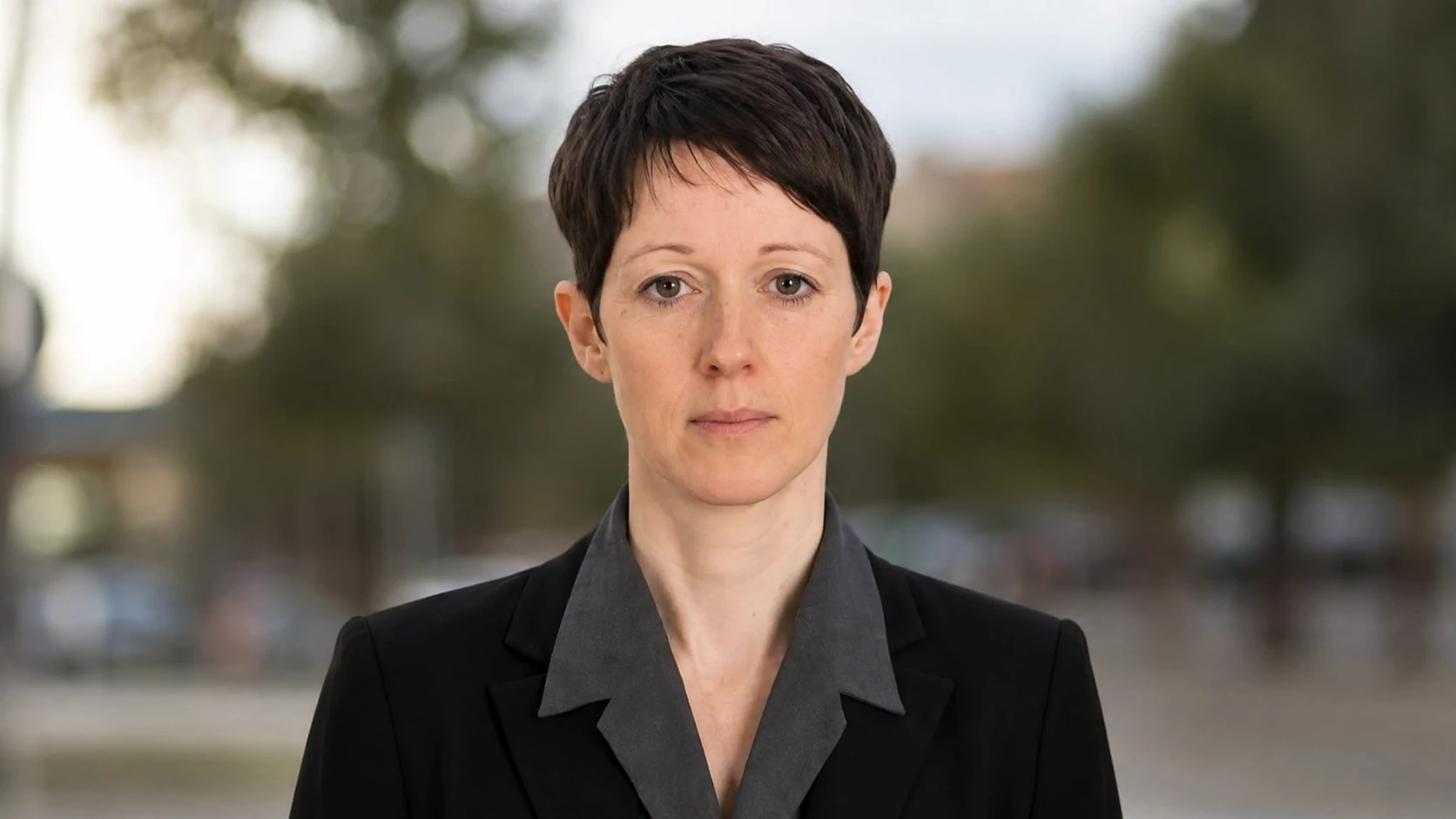
The BBC Career That Defined Lucy Williamson
Although searches about her husband continue attracting traffic online, Lucy Williamson’s career remains the real reason audiences know her name. Her reporting style reflects the traditional BBC foreign correspondent model: calm delivery, careful language, and detailed political understanding rather than personality-driven broadcasting.
Over the years, she reported from multiple countries and regions, including France, Indonesia, and parts of the Middle East. Some of her most recognized reporting came during periods of heightened tension in Europe following terrorist attacks in Paris and elsewhere in France.
Her coverage of the 2015 Paris attacks became especially memorable because it captured not only the political response but also the emotional mood inside France. Williamson often focused on how ordinary people reacted to violence, fear, and political change rather than limiting reports to official statements.
Later assignments connected her more closely with Middle Eastern affairs. BBC viewers increasingly saw her reporting from Jerusalem and surrounding regions during periods of conflict and diplomatic strain. Her ability to explain fast-moving international developments in clear language strengthened her standing within the network.
Not many people know this, but correspondents like Williamson often spend years moving between countries and assignments with little public attention focused on the personal sacrifices involved. Long periods abroad, irregular schedules, and emotionally demanding reporting conditions can shape every part of life outside work.
Why Interest in Lucy Williamson’s Husband Grew
Search interest surrounding Lucy Williamson’s husband reflects a broader trend in modern media culture. Audiences no longer separate public figures strictly by profession. Television viewers frequently become curious about the families, relationships, and private lives of journalists in the same way they do actors or musicians.
In Williamson’s case, that curiosity grew partly because she remained so private. People naturally try to fill gaps in knowledge, especially when someone appears regularly on television without discussing their personal world.
Another reason is that Williamson’s work carried emotional weight. Journalists who report from war zones, terror attacks, and humanitarian crises often create a sense of familiarity with viewers. Audiences hear their voices during frightening or historic moments and begin to feel connected to them, even without knowing much about their lives.
That connection can produce genuine curiosity rather than pure celebrity fascination. Many people searching for “Lucy Williamson husband” simply want to understand more about the person whose reporting they have trusted for years.
Public Records and the Williamson-Wright Name
The formal public record connecting Lucy Williamson and John Nilsson-Wright became widely referenced after the London Gazette notice drew attention online. The document remains one of the clearest public sources confirming the relationship between the two names.
Still, the record has often been interpreted too aggressively by low-quality biography sites. Some websites transformed a straightforward name-change notice into lengthy speculative stories about marriage details, children, family arrangements, and personal history that were never publicly confirmed.
That distinction matters because there is a difference between documented information and internet repetition. The strongest verified facts concern the name changes and the public careers of both individuals. Beyond that, many personal details remain either unconfirmed or deliberately private.
This is where responsible reporting becomes important. A well-researched biography should explain what is publicly known while resisting the urge to turn limited information into dramatic narrative.
Did Lucy Williamson and John Nilsson-Wright Have Children?
There is no widely confirmed public information establishing whether Lucy Williamson and John Nilsson-Wright have children. Some online biography pages make assumptions or vague references, but clear sourcing is usually missing.
Williamson herself appears to have avoided discussing family matters publicly. Unlike media personalities who regularly share personal milestones through interviews or social platforms, she has maintained a professional boundary that leaves many private details outside public view.
That said, the absence of public information should not be treated as evidence of secrecy or scandal. Many journalists, especially those covering conflict and international politics, choose to shield family members from attention. It is a practical and understandable choice.
The truth is, the limited public record surrounding Williamson’s family life says more about her priorities than about hidden drama. Her focus has consistently remained on reporting rather than personal publicity.
Lucy Williamson’s Public Image
Among BBC viewers and journalism observers, Lucy Williamson has developed a reputation for seriousness, intelligence, and composure. She belongs to a generation of correspondents shaped by traditional reporting values rather than personality-driven media culture.
Her reporting style avoids sensationalism even during emotionally intense stories. Instead of making herself the center of coverage, Williamson generally places attention on the people and events she is reporting on. That approach earned trust among audiences who increasingly value calm explanation during periods of global uncertainty.
Colleagues and viewers often describe BBC foreign correspondents as carrying a distinct broadcasting style built around authority and restraint. Williamson fits comfortably within that tradition. Even when reporting from scenes of violence or political crisis, her tone tends to remain measured rather than theatrical.
That image likely contributed to the public respect surrounding her private life. While curiosity exists, most discussions about Williamson’s husband remain relatively restrained compared with celebrity gossip culture.
Estimated Net Worth and Professional Standing
Lucy Williamson’s exact net worth has never been publicly confirmed, and reliable financial figures are difficult to establish. Like many BBC journalists, her salary information is not fully public unless it crosses certain disclosure thresholds within the corporation’s reporting system.
Still, experienced BBC foreign correspondents generally earn stable professional incomes, particularly those assigned to major international beats. Williamson’s long career, senior reporting roles, and international assignments suggest she has built a financially secure professional life over decades in journalism.
John Nilsson-Wright’s financial profile is similarly private. His work in academia and policy research places him within respected institutional circles rather than commercial celebrity culture. Any online estimates regarding combined wealth should therefore be treated cautiously unless supported by formal records.
What’s surprising is how little either individual appears interested in public displays of status or luxury. Their public identities are tied to ideas, reporting, research, and international affairs rather than lifestyle branding.
The Challenges of Maintaining Privacy
Maintaining privacy has become increasingly difficult for public-facing journalists. Search engines, social media archives, and content farms constantly recycle fragments of information into simplified biographies designed to attract clicks.
Williamson’s situation reflects this broader media problem. A relatively small amount of confirmed information about her marriage has been expanded repeatedly across websites that often copy from one another without original reporting.
At the same time, audiences genuinely want trustworthy information. Readers searching for “Lucy Williamson husband” are often trying to distinguish fact from rumor because the online record is cluttered with repetitive, lightly sourced material.
That creates a strange tension for journalists themselves. Correspondents spend careers investigating and explaining other people’s stories while trying to preserve parts of their own lives from public consumption. Williamson appears to have handled that tension carefully and consistently.
Where Lucy Williamson Is Now
Lucy Williamson continues working as a BBC journalist associated with international reporting and Middle Eastern coverage. Recent bylines and journalist databases place her reporting from Jerusalem and surrounding regions during periods of heightened global attention.
Her role remains important because experienced foreign correspondents have become increasingly valuable in an age of fast-moving misinformation and politically charged reporting environments. Williamson represents a style of journalism built on context, verification, and measured analysis rather than outrage-driven broadcasting.
As for her private life, there is little indication that she intends to change her longstanding approach to publicity. Public attention may continue circling questions about her husband and family, but Williamson herself appears committed to keeping personal matters largely separate from her professional identity.
That separation may actually explain why public respect for her remains strong. In an era where personal branding dominates much of media culture, Williamson still comes across primarily as a reporter.
Frequently Asked Questions
Who is Lucy Williamson’s husband?
Lucy Williamson is widely linked through public records to academic and policy specialist John Nilsson-Wright. A London Gazette deed poll notice from 2016 connected their names through formal name changes and described them as married or in a civil partnership.
What does John Nilsson-Wright do?
John Nilsson-Wright is an academic focused on East Asian politics and international relations. He has been associated with the University of Cambridge and Chatham House, with research interests involving Japan, Korea, diplomacy, and regional security issues.
Is Lucy Williamson still married?
There is no widely available public statement confirming Lucy Williamson’s current marital status. Public records support the historical relationship connection, but Williamson keeps her private life extremely guarded.
Does Lucy Williamson have children?
There is no clearly confirmed public information establishing whether Lucy Williamson has children. Most reliable reporting avoids making unsupported claims about her family life.
What is Lucy Williamson known for?
Lucy Williamson is best known as a BBC foreign correspondent. She has reported extensively from France, the Middle East, and other international regions, covering terrorism, political crises, diplomacy, and conflict-related stories.
Why is Lucy Williamson so private?
Williamson appears to separate her personal life from her journalism career deliberately. Many foreign correspondents maintain strict privacy because of security concerns, emotional boundaries, and the demanding nature of international reporting.
Is Lucy Williamson still working for the BBC?
Yes. Lucy Williamson continues to appear in BBC reporting connected to international affairs and Middle East coverage, maintaining her role as an experienced foreign correspondent.
Conclusion
Lucy Williamson’s story is unusual partly because it resists the patterns modern internet culture expects. She became widely recognized through years of intelligent international reporting, yet she never turned her private life into public entertainment. That contrast explains why searches about her husband continue attracting attention.
The publicly available evidence connecting Williamson and John Nilsson-Wright is strong enough to establish the relationship historically, but many personal details remain intentionally out of view. Rather than creating mystery, that privacy reflects the reality of a journalist who spent years covering difficult international stories while protecting boundaries around family life.
Williamson’s career ultimately matters more than online curiosity surrounding her marriage. She built her reputation through reporting from conflict zones, political crises, and emotionally difficult moments that shaped global conversation. Audiences trusted her because she focused on facts rather than personality.
That reputation still defines her today. Even as search engines continue surfacing questions about “Lucy Williamson husband,” the larger story remains the same: a respected correspondent whose professional work earned public recognition while her personal life stayed largely her own.
