

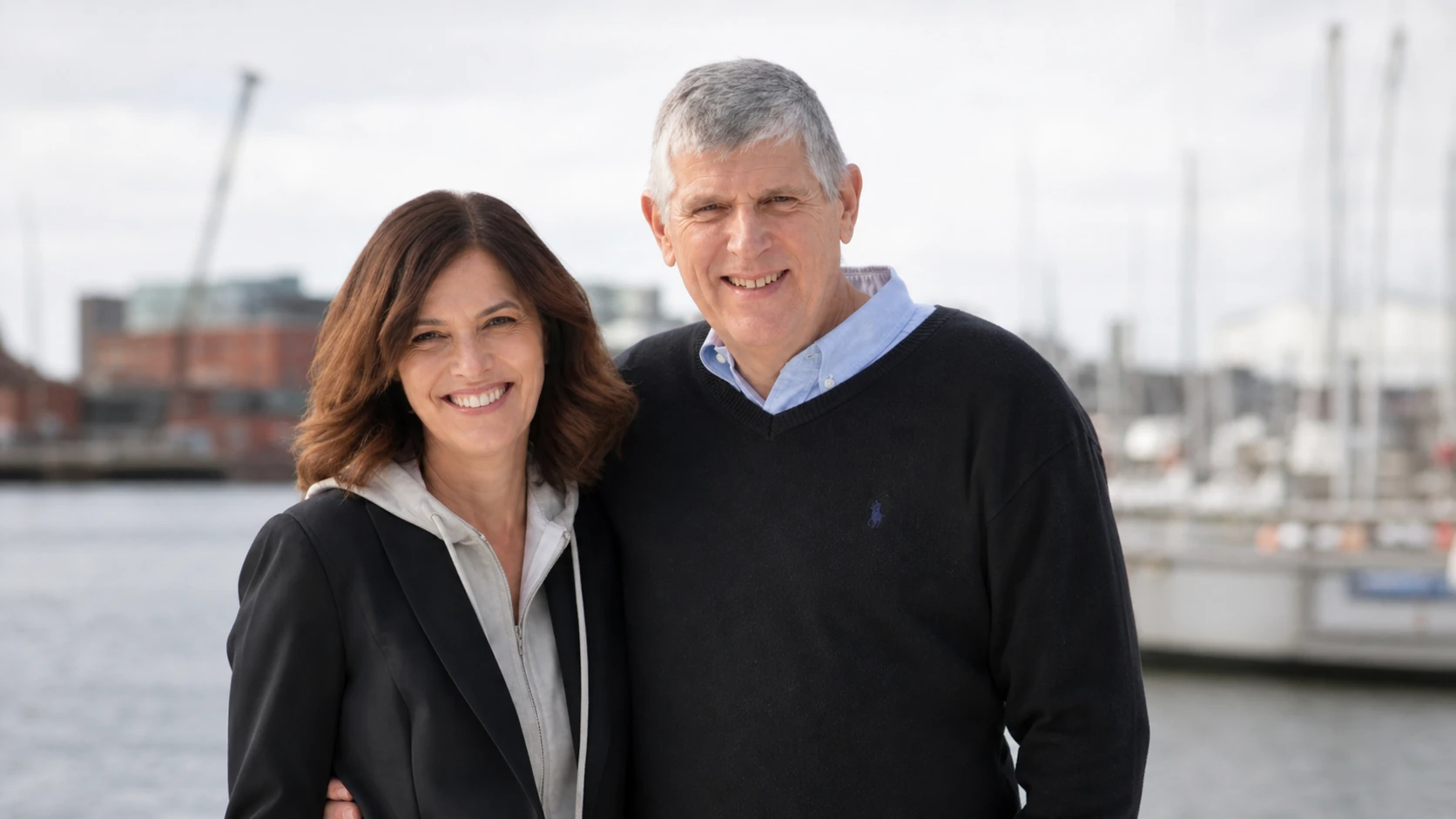
Steve Rosenberg, BBC’s Russia Editor, is one of the most trusted voices on Russian politics for English-speaking audiences. Known for his calm demeanor and sharp insights, Rosenberg’s career has spanned over two decades, during which he has reported on some of the most consequential events in Russia’s post-Soviet history. From his early years in Moscow to his front-line reporting on the war in Ukraine, Rosenberg’s professional achievements are substantial. But despite his high profile, one area of his life remains notably private: his wife.
For all his public reporting and high-profile interviews with world leaders, Rosenberg’s family life is not part of his public persona. While many journalists share glimpses of their private worlds, Rosenberg has remained tight-lipped about his wife, and little is known about her, aside from occasional references to her existence. In a world where public figures often have their personal lives scrutinized, Rosenberg’s decision to keep his marriage out of the spotlight offers an interesting contrast to the media landscape.
While his professional life is an open book, Rosenberg has never used his private life as a focal point of public interest, choosing instead to keep that part of his existence private. But this privacy has not stopped the internet from searching for answers. Who is Steve Rosenberg’s wife? Why does he keep this part of his life so private? Let’s explore what we do know and consider why he has chosen to keep that information largely under wraps.
Early Life and Career: A Foundation in Russia
Born on April 5, 1968, in London, Steve Rosenberg developed a fascination with Russia early in life. His academic journey led him to study Russian at the University of Leeds, and during his time there, he took a year abroad in the Russian city of Voronezh. This immersion in the culture and language laid the foundation for what would become a long and successful career focused on understanding and reporting on Russian affairs.
Rosenberg’s entry into journalism came after university, when he moved to Moscow in the early 1990s. He initially worked as an English teacher but quickly transitioned into journalism, recognizing an opportunity to apply his language skills and cultural knowledge. His work in Moscow was part of a larger wave of Western journalists reporting on the dramatic political and social changes sweeping the former Soviet Union after its collapse.
By 1997, Rosenberg had joined the BBC, working first as a producer before becoming a reporter. His deep understanding of the Russian language and culture made him an invaluable asset to the BBC, which was keen to cover the complexities of post-Soviet Russia for an English-speaking audience. His journalistic journey in Russia spanned many pivotal moments in the country’s history, from the early years of Vladimir Putin’s presidency to the annexation of Crimea and the ongoing war in Ukraine.
A Career Built on Russia: Major Milestones
Rosenberg’s career truly took off when he became the BBC’s Moscow correspondent in 2003. Over the next decade, he would cover major political events in Russia, including the wars in Chechnya, the rise of Putin’s government, and the increasingly strained relations between Russia and the West. Rosenberg’s expertise on Russian politics, history, and language helped make him one of the foremost Western reporters on Russia. His calm, methodical approach to reporting—often in the face of intense political pressure—earned him the respect of both his peers and his audience.
In 2022, Rosenberg was appointed BBC’s Russia Editor, overseeing the BBC’s coverage of Russia and its relationship with the world. This promotion was the culmination of years of on-the-ground reporting and a growing influence within the BBC newsroom. Rosenberg’s role allowed him to continue providing in-depth analysis of Russian domestic and foreign policy, a task that became even more crucial following Russia’s invasion of Ukraine. His reporting, often broadcast live, was critical in explaining the broader geopolitical context of the war, making him an essential voice in global news coverage.
Throughout his career, Rosenberg’s reputation has been built not just on his reporting, but on his ability to navigate the complexities of Russian politics. He is known for his ability to ask tough questions in interviews, often catching powerful figures off guard. Notably, in a 2018 press conference, Rosenberg posed a pointed question to Putin about Russia’s role in deteriorating international relations, a moment that highlighted his fearless approach to journalism.
Marriage and Privacy: What We Know
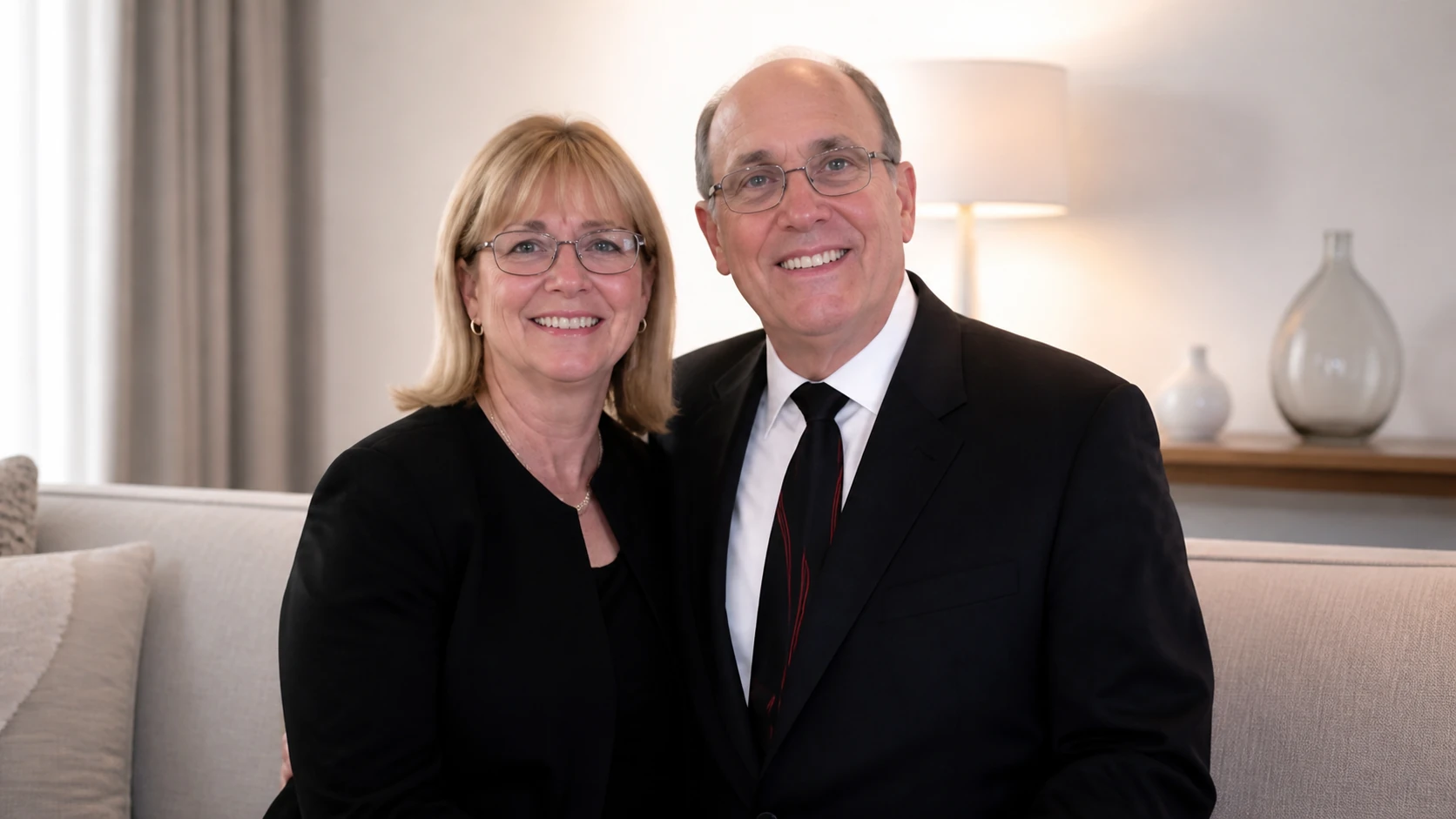
Though Rosenberg has become a familiar face to millions of viewers worldwide, much less is known about his private life. He is married and has two children, but beyond that, the details of his family life are kept out of the public eye. His wife’s name has not been widely reported, and there are few confirmed details about her background. This level of privacy is relatively uncommon for high-profile journalists, many of whom share personal stories with the public to connect with their audience.
Why does Rosenberg maintain such a degree of privacy about his family? One possible reason is the demanding nature of his work. Correspondents in Russia face constant risks, including government surveillance, harassment, and restrictions on their movements. In such an environment, keeping family details out of the public eye may be a practical measure to protect them from unwanted attention.
Furthermore, Rosenberg’s role at the BBC, covering a country as complex and politically charged as Russia, means that any personal details he shares could be used to undermine his credibility or expose him to political pressure. It’s possible that Rosenberg has opted to keep his family life private in order to protect his own safety and that of his loved ones, especially given the challenges faced by journalists working in Russia.
While it’s clear that Rosenberg is married and has a family, the choice to keep his wife’s identity and personal details away from the media highlights a broader trend among foreign correspondents who choose to separate their professional and private lives.
Public Image and the Focus on His Work
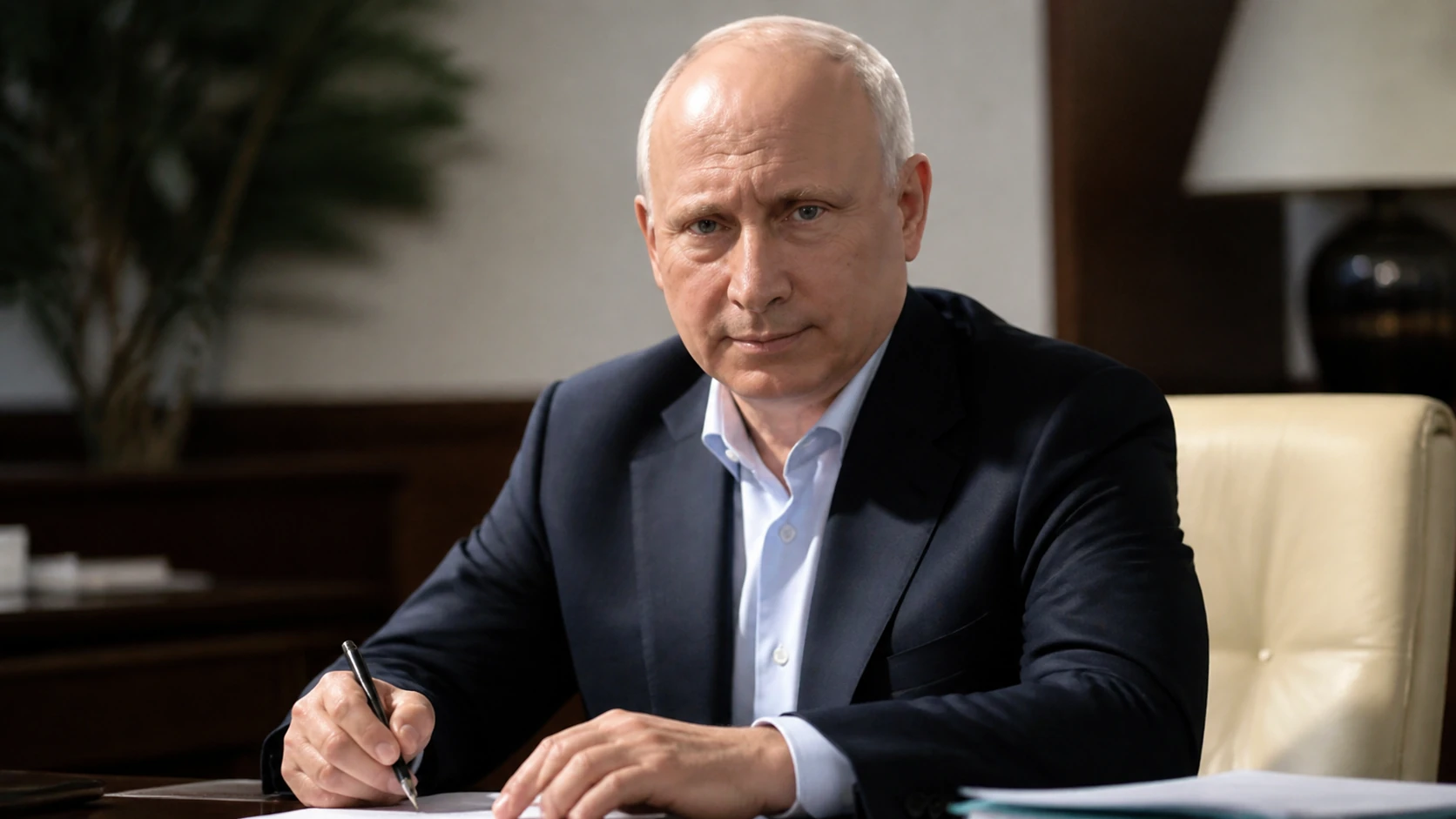
Rosenberg’s public image is rooted almost entirely in his journalism. While his work has brought him into the spotlight on multiple occasions—particularly during his interviews with high-ranking Russian officials and his coverage of the war in Ukraine—his family remains a background detail. This is a deliberate choice that allows Rosenberg to focus the public’s attention on his professional achievements rather than his personal life.
Rosenberg has often spoken about the importance of his work and the responsibility he feels to report on events in Russia honestly and accurately. His journalism is respected for its depth, impartiality, and focus on the human cost of political decisions. This has made him one of the most trusted Western voices on Russia, but it has also meant that his family life has not been a subject of public interest.
In an era where personal lives are increasingly entwined with professional personas, Rosenberg’s decision to keep his marriage private is a reminder that not every public figure chooses to share intimate details with the world. His commitment to maintaining that boundary shows a deep respect for his family’s privacy, as well as an understanding of the pressures faced by foreign correspondents in Russia.
Steve Rosenberg’s Professional Influence
While Rosenberg has kept his personal life private, his professional influence is far-reaching. His coverage of Russian politics, especially in the context of the war in Ukraine, has provided invaluable insight to global audiences. As BBC’s Russia Editor, he is responsible for overseeing the BBC’s reporting on Russia and ensuring that the network provides accurate, timely, and impartial news about the country.
Rosenberg’s influence extends beyond the BBC, as his analysis and commentary are frequently sought after by other media outlets, think tanks, and policy makers. His deep understanding of Russian society, its leaders, and its international posture has made him a go-to source for anyone seeking to understand the complex dynamics at play in the region.
Despite his high-profile role, Rosenberg remains humble and focused on his work. He has never been one to seek the limelight or indulge in self-promotion. Instead, he has built his reputation through hard work, integrity, and a commitment to telling the truth, even when that truth is uncomfortable. His professionalism and dedication to his craft have earned him the respect of his colleagues and the trust of his audience.
Where Steve Rosenberg Is Now
As of 2025, Rosenberg continues to serve as the BBC’s Russia Editor. His role has only become more critical with the ongoing conflict in Ukraine, and he remains one of the key voices guiding global audiences through the complexities of the war. His reporting continues to be characterized by a deep understanding of Russian politics and a commitment to providing accurate, unbiased information.
Despite the challenges that come with working in Russia, Rosenberg has remained steadfast in his dedication to journalism. His focus remains on the stories that matter, whether they involve the lives of ordinary Russians or the decisions made by those in power. Through it all, he has managed to maintain a sense of balance and professionalism, ensuring that his reporting remains both credible and compelling.
As for his private life, Rosenberg has not shared many updates in recent years. His wife, like his children, remains largely out of the public eye. This lack of personal detail has only added to the mystery surrounding the man behind the BBC’s Moscow coverage. But for those who follow his work, it is clear that his focus remains on the stories that shape our understanding of Russia and the world.
Frequently Asked Questions
Is Steve Rosenberg married?
Yes, Steve Rosenberg is married, though details about his wife are kept private. His wife’s name and background are not widely known, as Rosenberg has opted to keep his family life out of the public eye.
Does Steve Rosenberg have children?
Yes, Steve Rosenberg is reported to have two children. However, details about his children are also kept private, and there is little public information about their lives.
Why does Steve Rosenberg keep his private life so private?
Rosenberg likely keeps his private life private for a number of reasons, including the demands of his high-profile role as BBC Russia Editor. Maintaining privacy protects his family from unwanted attention and reduces the risks associated with his work in Russia.
What is Steve Rosenberg’s role at the BBC?
Steve Rosenberg is the BBC’s Russia Editor. In this role, he oversees the BBC’s coverage of Russia and its international relations, providing analysis and reporting on key political events in the country.
Has Steve Rosenberg received any awards for his work?
Yes, Steve Rosenberg has received recognition for his journalism over the years, though specific awards are not always publicly highlighted. His credibility and influence in covering Russia have earned him widespread respect in the field of journalism.
Where does Steve Rosenberg live?
Steve Rosenberg is based in Moscow, where he has lived for much of his career. His reporting focuses on Russian politics, culture, and international relations, and he remains a key figure in BBC’s Moscow bureau.
What is Steve Rosenberg’s approach to journalism?
Rosenberg is known for his impartial, calm, and in-depth reporting. His approach is characterized by a commitment to accuracy and an understanding of the complexities of Russian society. He focuses on providing context and analysis to help audiences understand the deeper implications of political events.
Conclusion
Steve Rosenberg’s career as BBC’s Russia Editor has been marked by professionalism, integrity, and an unwavering commitment to reporting on Russia’s political landscape. While his work has made him one of the most recognized voices in international journalism, his private life, especially details about his wife, has remained shielded from the public eye. This privacy, though unusual for public figures, serves as a reminder that not every detail of a person’s life needs to be exposed for their work to matter. Rosenberg continues to be a respected figure in journalism, and his ability to separate his personal and professional life is part of what allows him to remain so focused on his mission: reporting on one of the most important and volatile countries in the world.
