

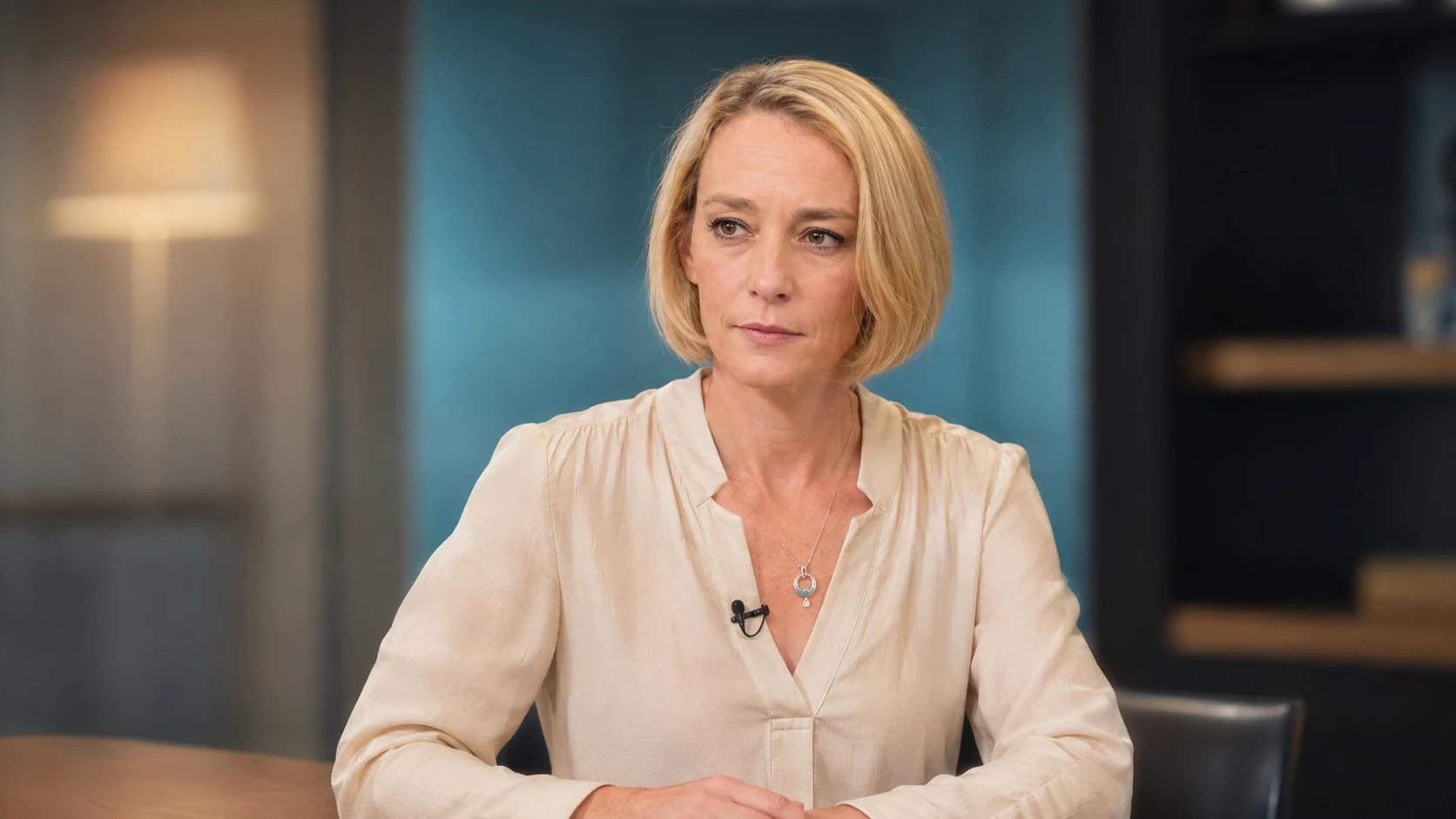
Claire Pearsall is a familiar face to viewers who follow British political debate, especially on subjects such as immigration, party strategy, public spending, and the pressures facing Westminster. She is often introduced as a former Home Office special adviser, former Conservative councillor, and political commentator, a set of labels that explains why she can speak with both insider knowledge and broadcast confidence. Her public profile sits in the space between elected politics, government advice, local service, and media analysis.
For readers searching her name, the interest is usually practical. They want to know who Claire Pearsall is, what she did in government, whether she is married, how old she is, and why she appears so often in political discussion. The clearest answer is that Pearsall has spent much of her working life around the machinery of British politics, first behind the scenes and later in front of cameras and microphones.
Her career also reflects a wider change in how politics is explained to the public. Modern broadcasters often turn to former advisers, campaigners, councillors, and parliamentary staff because they can explain not only what politicians say, but why they say it. Pearsall’s value as a commentator comes from that mixture of practical experience and political instinct.
Early Life and Public Background
Claire Pearsall has kept much of her early life out of the public eye, which is not unusual for political advisers who became known through professional work rather than celebrity. Public records identify her as Claire Louise Pearsall and give her month and year of birth as January 1976. That places her among a generation whose adult political life has been shaped by New Labour, the Conservative-Liberal Democrat coalition, Brexit, and the realignment of British party politics.
There is no strong public record confirming detailed information about her parents, childhood home, or early schooling. Some online biography pages try to fill those gaps, but responsible profiles should avoid repeating personal claims that are not backed by reliable records. Pearsall’s verified public story begins most clearly in Westminster, local government, and her later media work.
That absence of personal detail should not be mistaken for mystery. It simply means she has drawn a line between professional public life and private family history. For a figure whose reputation rests on politics rather than entertainment, that distinction deserves respect.
A Long Career Around Parliament
Pearsall’s professional biography has described nearly two decades of work in Parliament. That experience matters because parliamentary staff often sit close to the everyday demands of democratic politics. They handle casework, prepare briefings, track legislation, manage correspondence, support media activity, and help elected politicians respond to public pressure.
The public often sees Parliament as a stage for speeches and votes, but much of its work happens through offices, committees, staff teams, and constant contact with constituents. Someone with long service in that environment gains a practical understanding of how policy turns into pressure, and how national decisions land in local communities. Pearsall’s later commentary carries that background, especially when she talks about whether a political promise can survive contact with government reality.
She has also been linked publicly with Conservative MP Caroline Nokes, who has represented Romsey and Southampton North. That connection places Pearsall within the Conservative parliamentary world rather than as an outside observer. It helps explain why she is often asked to comment on Conservative strategy, party identity, and the shifting relationship between the Conservatives and voters on the right.
Home Office Special Adviser During Brexit
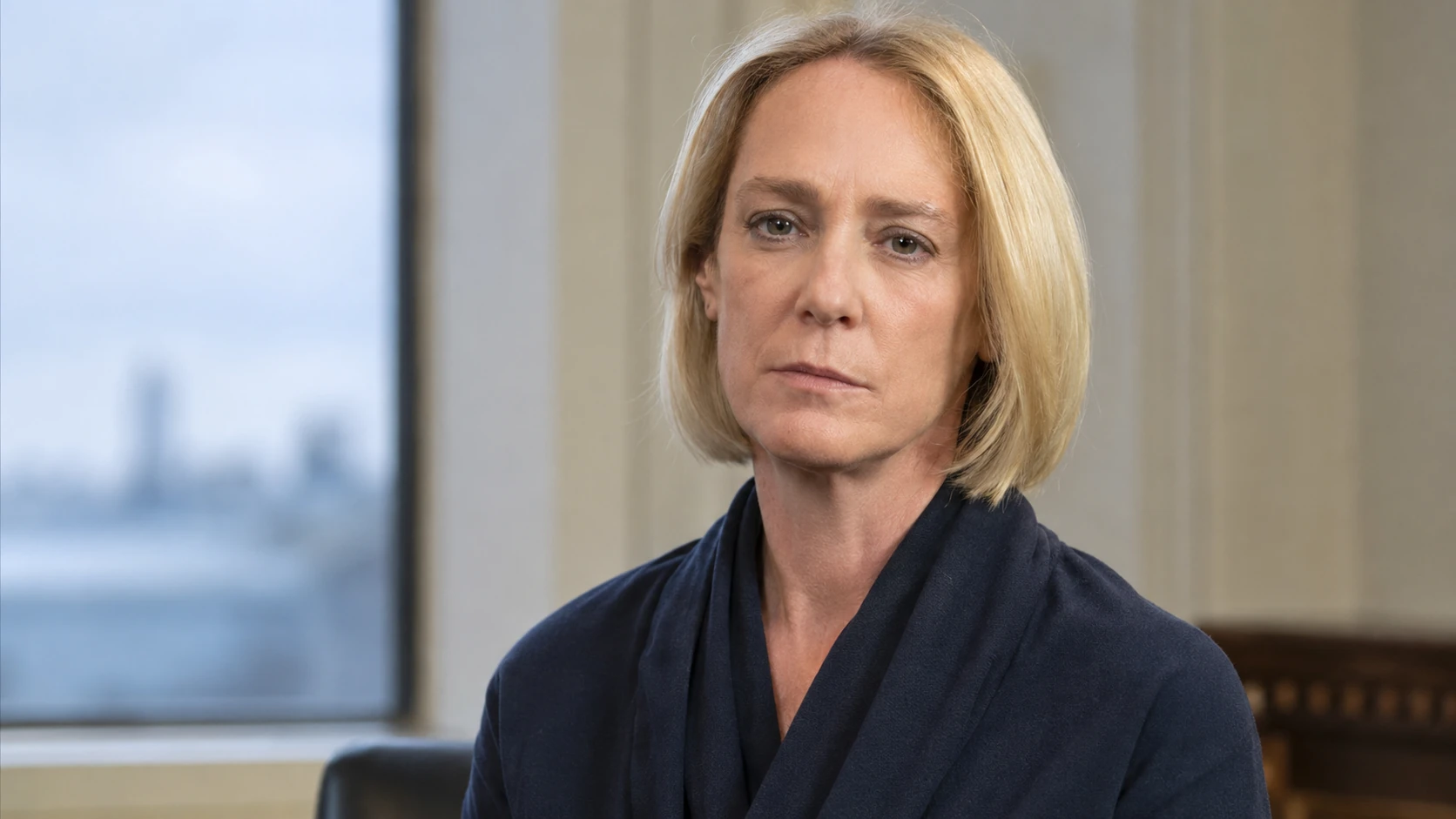
One of the most important parts of Claire Pearsall’s career is her time as a special adviser at the Home Office. Her public biography has described her as serving for 18 months as special adviser to the Minister for Immigration during the Brexit transition. That period placed her near one of the most sensitive and demanding areas of British public policy.
The Brexit transition created a huge administrative challenge for the UK government. Millions of EU citizens living in Britain needed a route to secure their status, while ministers also faced pressure to design a future immigration system outside free movement. The EU Settlement Scheme became one of the central parts of that work, and Pearsall’s public profile has linked her Home Office role to that policy area.
A special adviser is not the same as a civil servant or minister. Special advisers are political appointees who support ministers, help with political judgment, and advise on communication and strategy. They do not hold the statutory authority of ministers, and they do not run departments in the way permanent civil servants do.
That said, special advisers can be influential because they work close to ministerial decision-making. They sit at the meeting point between policy, politics, media, and public expectation. Pearsall’s Home Office experience therefore gives her a credible basis for discussing immigration from inside the system, even when her comments remain political opinion rather than official policy.
Sevenoaks District Council and Local Service
Claire Pearsall also served in local government as a Conservative councillor on Sevenoaks District Council. Her public biography has described her as being elected in May 2015 and serving until May 2023. During that period, she gained direct experience of the kind of local politics that rarely attracts national attention but often shapes how voters judge government.
Local councillors deal with issues that are immediate and practical. Residents ask about planning, housing, waste collection, roads, budgets, community facilities, and the effects of national policy on daily life. That work can be demanding because it puts elected representatives face to face with people who expect clear answers rather than party slogans.
Pearsall’s council work also adds another layer to her public role. She was not only a Westminster staff figure or media commentator; she had experience as an elected local representative. That helps explain why her broadcast comments often focus on the difference between political announcements and practical delivery.
Move Into Political Commentary
Pearsall’s transition into political commentary was a natural extension of her earlier work. She had parliamentary experience, government experience, local elected experience, and a Conservative background. Those are exactly the credentials broadcasters look for when they want someone who can respond quickly to breaking political news.
She has appeared across major UK news and discussion platforms, including television and radio outlets. Viewers may recognise her from political panels where she discusses immigration, the Conservative Party, Labour policy, public spending, and Reform UK. Her style is direct, shaped by a belief that politics should be judged not only by intention but by whether policy can actually work.
Her media role also means she is more visible than many former advisers. Political staff often remain unknown outside Westminster, but commentary brings their judgment into public view. That visibility increases curiosity about her background, marriage, age, and personal politics.
Political Views and Public Image
Claire Pearsall is generally identified with Conservative politics, though her media work is broader than party defence. She is often invited to speak as someone with centre-right experience and insight into the Conservative machine. Her comments tend to focus on immigration, border control, public trust, party discipline, and the challenge of turning policy promises into results.
Like many political commentators, she can divide opinion. Supporters may see her as clear, practical, and informed by real government experience. Critics may disagree with her political instincts or view her as too close to Conservative thinking.
That is part of the job she now does. Political commentary is not neutral reporting, and Pearsall is usually presented as someone with a viewpoint rather than as an impartial correspondent. The key is to understand her role correctly: she is an experienced political voice, not a sitting minister or independent civil servant.
Marriage to Nigel Nelson
One of the most searched parts of Claire Pearsall’s biography is her marriage to Nigel Nelson. Nelson is a veteran British political journalist and has been known for his long career covering Westminster. He served for many years as political editor of the Sunday Mirror and Sunday People before becoming widely recognised as a senior political commentator on television.
Their marriage attracts interest because both work in the political-media world, though from different angles. Pearsall’s background is party, Parliament, government advice, and local politics. Nelson’s background is journalism, reporting, and political analysis from the newsroom side.
That difference has sometimes become part of their public appeal. They do not appear to function as a single political brand, and their professional perspectives are distinct. Pearsall should be understood through her own career rather than only through her husband’s public profile.
Family and Private Life
Beyond her marriage, Claire Pearsall keeps her family life largely private. There is no reliable public record that should be treated as definitive on matters such as children, close relatives, or personal household details. That privacy is reasonable, especially for someone whose public role is professional rather than celebrity-based.
The lack of confirmed family information has not stopped some websites from making claims. Those claims should be treated carefully unless they are supported by credible reporting or public records. A fair biography should not turn curiosity into certainty.
What can be said is that Pearsall’s public identity is built around work, politics, and commentary. She has shared enough professional information to establish her public record, while keeping much of her personal life outside the spotlight. That balance is common among people who work near politics but do not campaign as national public figures.
Net Worth and Income Sources
There is no reliable public figure for Claire Pearsall’s net worth. Some online pages may offer estimates, but those figures are usually not backed by transparent evidence. In the absence of verified financial records, any specific number should be treated as speculation.
Her likely income sources are easier to describe in general terms. Pearsall has worked in parliamentary and political roles, served as a local councillor, held government adviser experience, and built a profile as a commentator. Media appearances, advisory work, governance roles, and political consultancy-style activity can all form part of a public affairs career, though exact earnings are not publicly confirmed.
A careful profile should resist the temptation to invent a wealth figure simply because readers search for one. Her importance does not depend on a claimed fortune. It rests on her proximity to political decision-making and her role in explaining British politics to a wider audience.
School Governance and Current Public Work
Pearsall’s public record also includes governance work connected to education. She has been listed in connection with the Duke of York’s Royal Military School, an institution with a long history and a distinctive public identity. Governance roles of this kind usually involve oversight, accountability, strategy, and a duty to act in the best interests of the institution.
This part of her public life fits with the pattern of her career. Pearsall has worked in settings where process, responsibility, and public accountability matter. Whether in Parliament, local government, or education governance, her roles have often sat inside institutions rather than outside them.
Her current profile appears to combine commentary, public affairs knowledge, and governance work. She remains visible because British politics remains unsettled, especially around immigration, party identity, trust in government, and the future of the Conservative movement. Pearsall’s background gives broadcasters a reason to keep returning to her for analysis.
Why Claire Pearsall Matters
Claire Pearsall matters because she represents a type of political figure who helps shape public understanding without always holding front-line office. She has worked behind the scenes, served locally, advised during a high-pressure government period, and then moved into media commentary. That path is increasingly common in British public life.
Politics is not made only by prime ministers, cabinet ministers, and party leaders. It is also shaped by staff, advisers, councillors, committee members, broadcasters, and people who translate policy into public argument. Pearsall’s career shows how those roles can connect over time.
For viewers, understanding her background makes her commentary easier to assess. She speaks from experience, but also from a political perspective. Readers should value the experience while recognising the viewpoint.
Common Misunderstandings
One common misunderstanding is that Claire Pearsall is a current MP or government minister. She is not best described that way based on the public record. A more accurate description is former Home Office special adviser, former Conservative councillor, parliamentary professional, governance figure, and political commentator.
Another misunderstanding is that her private life is fully documented. It is not. Public records confirm some details, including her marriage to Nigel Nelson and professional appointments, but much of her family background remains private.
There is also confusion between commentary and reporting. Pearsall is not usually presented as a neutral news reporter. She appears as a political commentator with experience and opinions, which is different from the role of a correspondent whose job is to report events without taking a side.
Where Claire Pearsall Is Now
Claire Pearsall is now best known as a political commentator with a background in Conservative politics, Westminster, local government, and the Home Office. Her appearances continue to focus on the debates that dominate British politics, especially immigration, party strategy, public services, and voter trust. Those subjects match the strongest parts of her professional record.
She also remains connected to governance work, including education-related responsibilities. That shows a career that has not moved entirely into television, even though broadcast commentary is the most visible part of her public life. Her public profile is therefore broader than a single media label suggests.
The truth is, Pearsall’s story is less about fame than access and experience. She became searchable because she appears on screen, but she became useful to broadcasters because she understands the system behind the screen. That is the core of her public identity.
Frequently Asked Questions
Who is Claire Pearsall?
Claire Pearsall is a British political commentator, former Conservative councillor, and former Home Office special adviser. She has also worked for many years around Parliament and has experience in public governance. Her media profile has grown through appearances on political programmes and news discussions.
What did Claire Pearsall do at the Home Office?
Claire Pearsall served as a special adviser to the Minister for Immigration during the Brexit transition period. Her public biography links that work to immigration policy, future borders planning, and the EU Settlement Scheme. A special adviser supports ministers politically and strategically, but does not hold the same authority as a minister or senior civil servant.
Is Claire Pearsall married?
Yes, Claire Pearsall is publicly known as the wife of Nigel Nelson, a veteran British political journalist. Nelson has had a long career covering Westminster and has been widely recognised as a senior political commentator. Their professional worlds overlap, though their careers are separate.
How old is Claire Pearsall?
Public company records list Claire Louise Pearsall’s birth month and year as January 1976. That means she is 50 years old in 2026. A full public birth date should not be assumed unless supported by a reliable record.
Was Claire Pearsall a councillor?
Yes, Claire Pearsall served as a Conservative councillor on Sevenoaks District Council. Her public biography gives her period of service as May 2015 to May 2023. That local government experience adds an elected element to her broader political career.
What is Claire Pearsall’s net worth?
There is no verified public net worth figure for Claire Pearsall. Any exact estimate should be treated carefully unless backed by clear financial evidence. Her known career has included political, parliamentary, local government, commentary, and governance work.
What is Claire Pearsall doing now?
Claire Pearsall is currently best known for political commentary and public affairs analysis. She continues to appear in media discussions about British politics, especially immigration and party strategy. Her public record also shows involvement in governance work connected to education.
Conclusion
Claire Pearsall’s biography is the story of someone who built a public reputation from the working side of politics. She did not become known through celebrity, scandal, or front-line elected office. She became known because she spent years around the institutions that shape political decisions and then brought that experience into public debate.
Her career has moved through Parliament, the Home Office, local government, school governance, and television commentary. Each stage adds something to the way she is now seen by audiences. She is both an insider and an interpreter, someone who can discuss the practical pressures behind the political headlines.
The most accurate view of Pearsall is also the fairest one. She is a politically experienced commentator with a Conservative background, a documented record in public life, and a private life that is only partly public. That combination explains both why people search for her and why she continues to appear in the national conversation.
As British politics keeps changing, voices like Pearsall’s will remain part of the debate. They help viewers understand not just what politicians are saying, but how parties, departments, and public institutions think under pressure. That is where her public significance lies.
