


Annabel Denham is one of those British political commentators whose name often appears before many readers know much about the person behind it. She writes in the argumentative world of newspaper opinion, appears on broadcast panels, and has worked across journalism, think tanks, and policy research. For people searching “annabel denham wikipedia,” the goal is usually simple: they want a clear, reliable profile that explains who she is, what she has done, and why she is part of Britain’s public conversation.
The short answer is that Annabel Denham is a London-based journalist, editor, and political commentator best known for her work with The Telegraph. Her career has moved through business journalism, entrepreneurship policy, free-market research circles, and national newspaper commentary. She is associated with political and economic arguments about work, family policy, enterprise, regulation, taxes, public spending, and the future of the British right.
There is no need to pretend that every part of Denham’s life is publicly documented. Unlike an elected politician, actor, or royal figure, she has not made her private life the centre of her public profile. The strongest available record is professional: her roles at City A.M., The Entrepreneurs Network, the Institute of Economic Affairs, and The Telegraph, along with her appearances on programmes such as Sky News and BBC Question Time.
Who Is Annabel Denham?
Annabel Denham is a British journalist and political commentator whose public profile rests on opinion writing, editing, policy work, and broadcast discussion. She is widely identified with The Telegraph, where she has been described publicly as a columnist and senior political commentator. Her writing and commentary often focus on Westminster politics, economic policy, social change, and the choices facing Britain’s political parties.
Denham’s career is not the usual route of a reporter who starts as a local news trainee and works steadily through political reporting. Her background includes business journalism, entrepreneurship research, think-tank communications, and newspaper comment editing. That mix gives her public voice a particular shape: she tends to approach political questions through economic incentives, institutional incentives, and the practical effects of policy decisions.
For readers who see her on television or in print, the most useful way to understand her is as an opinion journalist rather than a straight-news correspondent. Her job is not simply to report what happened at Westminster. It is to interpret events, argue a view, and test political decisions against a broader set of ideas about markets, government, personal responsibility, and public life.
Why People Search for Annabel Denham Wikipedia
The phrase “annabel denham wikipedia” tells its own story. Readers often add “Wikipedia” to a name because they want a neutral, quick biography rather than a single opinion column or a social media profile. In Denham’s case, the search makes sense because her public appearances have grown while her personal biography remains scattered across author pages, event listings, policy reports, and media references.
People may come across Denham through a Telegraph column, a Sky News paper review, a Spectator piece, or a BBC Question Time appearance. A viewer may agree with her, disagree strongly, or simply wonder where she fits in the British media world. That curiosity leads naturally to questions about her age, education, politics, family, career path, and current job.
The difficulty is that not every search result is reliable. Some websites fill gaps with guesses about age, marriage, income, or family background, even when those details are not supported by public records. A careful profile has to draw a clear line between confirmed professional facts and private information that has not been properly reported.
Early Life and Family Background
Publicly available information about Annabel Denham’s early life is limited. Her date of birth, exact age, parents, childhood hometown, and family background have not been widely confirmed through reliable public sources. That does not mean the details are mysterious in any dramatic sense; it means she has kept much of her personal history outside the media profile attached to her work.
This is common for journalists and commentators who become known through columns rather than celebrity coverage. Their public record often begins with education, bylines, employers, and appearances, not childhood stories or family interviews. In Denham’s case, the better-supported biography begins with her university background and early professional life.
The absence of private details should be treated with care. A profile of a living person should not invent family circumstances to make a story feel more complete. The honest version is simpler: Denham’s public identity has been built through work, ideas, and commentary, while her family life remains largely private.
Education and Academic Background
Public professional profiles have linked Annabel Denham to the University of Manchester. Available listings have described her as having studied History and French, and other public biographical snippets have connected her to postgraduate study in international studies and diplomacy. These details fit the later pattern of a career that sits between politics, writing, public affairs, and international-facing policy debate.
Education matters in Denham’s story because her career has required both language and argument. Business journalism demands clarity with figures and institutions, while political commentary demands the ability to read power, policy, and public mood. A background in history and political study would naturally support that kind of work, though the most firmly documented part of her life remains her professional record.
There is no strong public evidence that Denham has used her education as a personal brand in the way some public figures do. She is not primarily known as an academic or university commentator. Her education is best understood as a foundation for a career built in journalism, policy, and public argument.
Early Career in Business Journalism
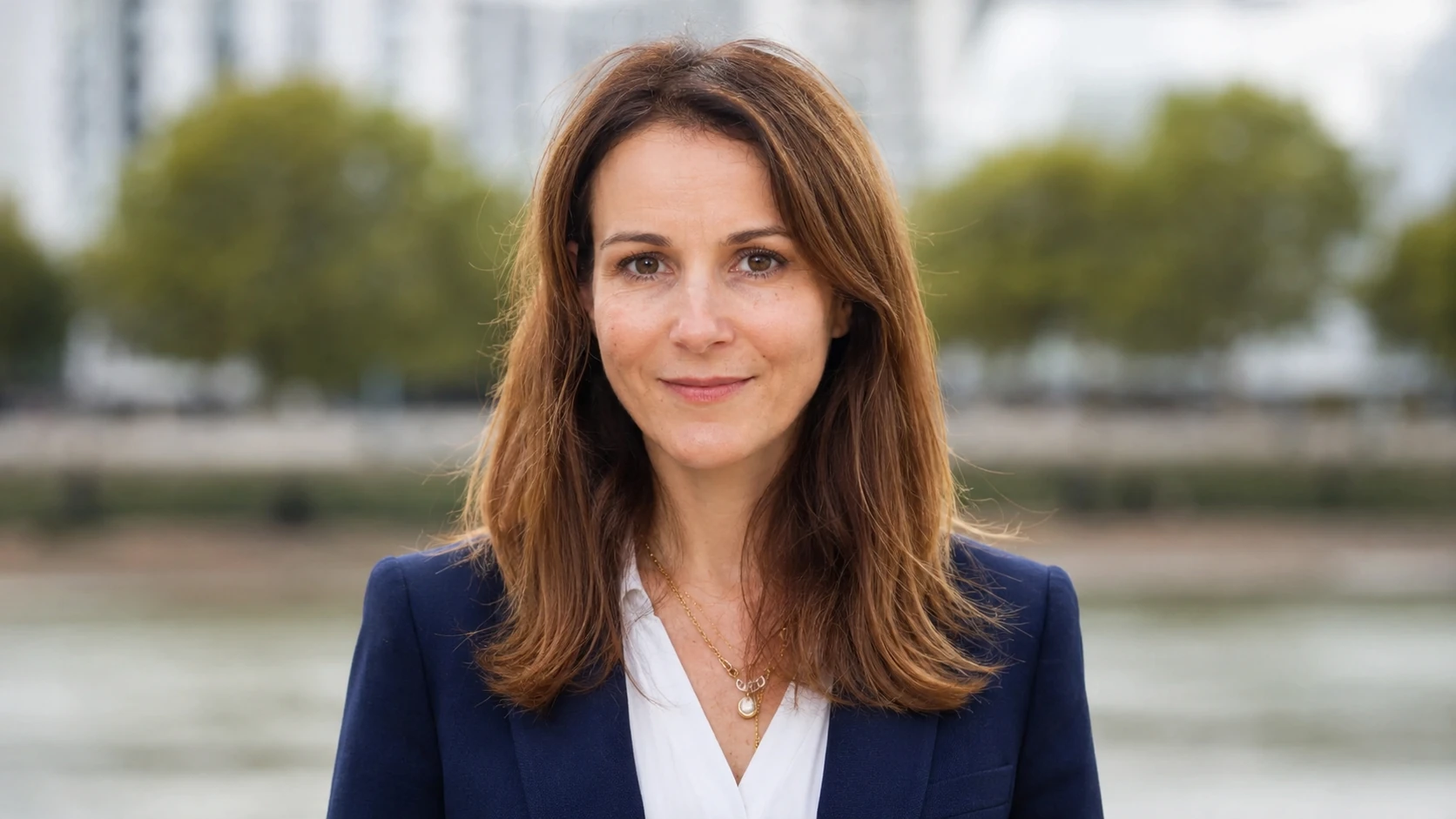
Annabel Denham’s early public career included work at City A.M., the London business newspaper. She has been publicly described as having worked there as Entrepreneurs Editor and Deputy Business Features Editor. That role placed her close to the world of start-ups, investors, small businesses, founders, regulation, and the practical pressures facing people trying to build companies.
Business journalism can be a demanding training ground because it forces writers to connect individual stories with wider economic trends. A business feature is rarely just about one founder or one company. It is also about capital, hiring, risk, government rules, consumer demand, and the culture that makes enterprise easier or harder.
That experience appears to have shaped Denham’s later interests. Her work after City A.M. repeatedly returned to questions about entrepreneurship, women in business, economic incentives, and the trade-offs created by regulation. Rather than moving from journalism into policy by accident, she seems to have carried a business-focused editorial instinct into the next stage of her career.
The Entrepreneurs Network and Female Founders Forum
A major step in Denham’s career came through The Entrepreneurs Network, a think tank and policy organisation focused on entrepreneurship and start-up growth. Public profiles have described her as an Associate Director there, where she worked on research, communications, events, and policy work. This part of her career is especially important because it moved her from observing enterprise to shaping arguments about how government should support it.
One of Denham’s most visible projects at The Entrepreneurs Network was the Female Founders Forum. The initiative focused on women entrepreneurs, the barriers they face, and the policy changes that could help more women start and scale businesses. Denham authored and edited work in this area, making female entrepreneurship one of the strongest early themes in her professional record.
This phase also shows that Denham’s public identity cannot be reduced only to party politics. Before she was widely recognised as a Telegraph commentator, she had built expertise around start-ups, business culture, and the underrepresentation of women among high-growth founders. Her work in this area blended economic thinking with questions about confidence, access to networks, finance, education, and workplace culture.
The Female Founders Forum also placed her within a wider conversation taking place in British policy circles during the late 2010s. The Rose Review of Female Entrepreneurship, led by Alison Rose, brought more attention to the gap between men and women in business ownership and scale-up success. Denham’s work fitted into that debate by asking not only why the gap existed, but what practical changes might help close it.
Parliamentary Research and Policy Experience
Denham’s professional biography has also included work as a parliamentary researcher for Lord Peter Lilley. Lilley, a former Conservative cabinet minister, has long been associated with economic and political debate on the right of British politics. Working in a parliamentary research role would have given Denham direct exposure to Westminster procedures, policy arguments, and the relationship between political ideas and legislative work.
That kind of experience can be formative for a journalist who later writes about government. It teaches how briefing papers are built, how political arguments are tested, and how public claims often depend on hidden details inside legislation or departmental policy. It also helps explain why Denham’s later commentary often reads less like detached media observation and more like argument from within a policy world.
The exact dates and full scope of this parliamentary work are not widely documented in public biographical sources. Still, its presence in her public profile matters because it adds another layer to her route into national commentary. Denham did not arrive at Westminster debate only through newspaper desks; she also had experience in the research and policy side of politics.
Institute of Economic Affairs
In 2020, Annabel Denham was announced as Director of Communications at the Institute of Economic Affairs, often known as the IEA. The IEA is a free-market think tank that has long argued for limited government, market economics, lower regulation, and a greater role for private enterprise. Denham’s move there placed her inside one of Britain’s best-known organisations on the liberal economic right.
The timing also matters. She took on the role at the beginning of a period when Britain was facing the Covid-19 pandemic, huge government intervention, emergency economic measures, and intense debate about the future of work. Communications work at a think tank during that period would have involved not just press management, but decisions about how ideas should be presented during a national crisis.
Denham’s connection with the IEA fits the wider pattern of her career. Her earlier work had focused on entrepreneurship and the conditions that help businesses grow. The IEA gave her a platform closer to broader economic ideology, where debates about the state, markets, workers, employers, and public spending are central.
Her later work also continued to reflect this background. She has been connected with arguments about flexible working, productivity, regulation, and the hidden costs of policy promises. Readers may agree or disagree with the free-market framing, but it is one of the clearest threads running through her public life.
Move to The Telegraph

Annabel Denham’s most visible public role has been at The Telegraph, one of Britain’s most influential newspapers on the centre-right. She has been publicly identified as a columnist, senior political commentator, and former editor of comment and opinion pages. Those titles matter because they show both writing authority and editorial responsibility.
A comment editor helps shape a newspaper’s public argument. The role involves commissioning writers, judging angles, deciding what deserves space, and understanding the audience’s political instincts. A columnist, by contrast, becomes a named voice whose own arguments are judged directly by readers.
Denham’s move into Telegraph commentary placed her in a larger national conversation. The paper’s readership is highly politically engaged, and its comment pages have long been watched by Conservative politicians, campaigners, donors, and activists. A Telegraph commentator can influence not only readers at home, but also the mood inside Westminster and the wider right-of-centre debate.
Her work at The Telegraph has covered major figures and issues in British politics. Public article listings have connected her byline with debates about the Conservative Party, Reform UK, Labour economic policy, Suella Braverman, Rachel Reeves, immigration, taxes, work, and the future of the British state. This is where Denham became most visible to readers looking for a profile.
Political Commentary and Public Voice
Denham’s commentary is usually grounded in a market-friendly view of policy. She often writes about how government decisions affect incentives, taxpayers, employers, families, and workers. That does not make every column purely economic, but economics is often the lens through which she assesses political promises.
Her public voice is direct, sceptical of state overreach, and alert to the political consequences of weak leadership. She is part of a group of British commentators who see many modern problems as symptoms of poor incentives, excessive regulation, cultural drift, or political cowardice. In that sense, her writing sits naturally within The Telegraph’s opinion tradition.
That said, a serious profile should not turn her into a caricature. Denham’s earlier work on female founders shows a sustained interest in opportunity, participation, and the practical barriers faced by women in business. Her writing on work and family policy also suggests an interest in how public decisions affect ordinary life beyond Westminster slogans.
Opinion journalism is built on judgment, not neutrality. Denham’s readers should expect argument, selection, and interpretation rather than a wire-service account of events. The fair question is not whether she has a point of view, because she clearly does, but whether the point of view is argued with evidence and consistency.
Television and Broadcast Appearances
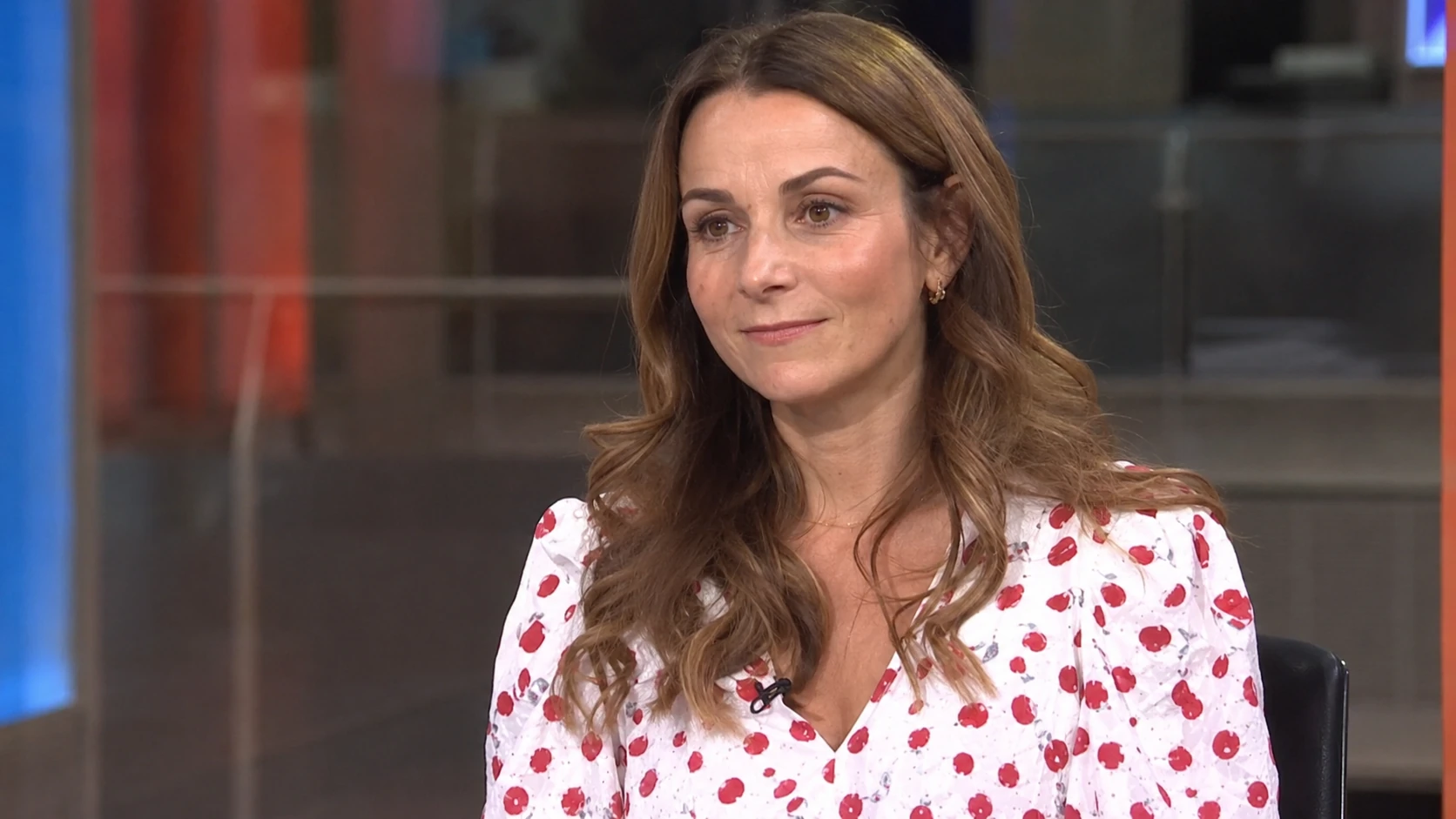
Denham’s profile has grown through broadcast appearances as well as written work. She has appeared on Sky News, including paper review formats where journalists and commentators discuss the next day’s headlines. These appearances introduce opinion writers to viewers who may not follow newspaper comment pages closely.
She has also appeared on BBC Question Time, one of Britain’s most recognisable political discussion programmes. Question Time places journalists alongside politicians, campaigners, union leaders, business figures, and public voices. For a commentator, that format requires quick argument, clear positioning, and the ability to respond under pressure.
Television changes the public relationship with a journalist. A column gives a writer time to shape an argument carefully, but a live panel reveals tone, instincts, and debating style. That is one reason viewers may search for Denham after seeing her on screen, especially if they want to know whether she is a politician, journalist, think-tank figure, or party adviser.
Writing Themes and Areas of Interest
Across her career, Denham has returned to several themes. Entrepreneurship is one of the earliest and strongest, especially through her work on founders and women-led businesses. That interest connects business formation with education, finance, networks, and the cultural expectations that shape who sees themselves as capable of starting a company.
Work is another recurring theme. Denham has written and argued about flexible working, employment rules, productivity, and the tension between employee preferences and employer costs. This area can be politically sensitive because it touches daily life, family routines, childcare, office culture, and generational expectations.
She has also focused on the future of the British right. The Conservative Party’s struggles, the rise of Reform UK, and the political space around migration, tax, public services, and national identity have all provided material for her commentary. In that field, Denham writes as someone interested in whether parties understand the voters they claim to represent.
Family policy, fertility, and social change have also appeared in her public work. These subjects place her in debates that are not only economic, but cultural. They require asking what government can realistically do, where private choice begins, and how society should respond to long-term demographic pressures.
Public Image and Political Positioning
Annabel Denham is generally seen as a right-of-centre or economically liberal commentator. That perception comes from her Telegraph role, her IEA connection, and her public arguments about markets, regulation, work, and the state. It is a fair broad description, though it should not be used as a substitute for reading her actual work.
Her position is best understood as market-oriented rather than purely party-loyal. She has written in a media environment where Conservative politicians are often criticised from the right as well as from the left. That distinction matters because British right-of-centre commentary is not simply pro-Conservative; it often attacks Conservative governments for spending too much, taxing too heavily, or failing to control migration.
Denham’s public profile also reflects the wider role of columnists in British politics. They are not elected, but they can frame arguments that elected figures later adopt or reject. Their influence is softer than parliamentary power, but it can be real, especially when their work reaches activists, donors, ministers, and politically engaged readers.
Critics may view her as part of an ideological media ecosystem. Supporters may see her as a clear voice for economic realism and political clarity. A balanced profile should allow for both readings while sticking to the factual record of her roles, themes, and public contributions.
Personal Life, Marriage and Family
Annabel Denham’s personal life is not widely documented in reliable public sources. There is no confirmed public record here of a spouse, husband, partner, children, or detailed family background. Some websites may speculate about these matters, but speculation is not a sound basis for a biography.
This restraint is especially important because Denham’s public role is professional. She is known for her writing, editing, policy work, and media appearances, not for a public family brand. Unless she chooses to disclose personal details or they are confirmed by reputable reporting, those details should remain outside a serious profile.
The lack of information may frustrate readers who expect every public figure to have a full personal biography online. But not all public people are public in the same way. Denham has given readers plenty of professional material to evaluate, while keeping her private life largely separate from her career.
Net Worth and Income Sources
There is no credible public estimate of Annabel Denham’s net worth. Any precise figure online should be treated with caution unless it is backed by financial filings, verified reporting, or a direct disclosure. For journalists, commentators, and think-tank professionals, online net worth claims are often copied from one weak site to another without evidence.
Her known income sources are professional rather than celebrity-based. They likely include salary or fees from journalism, editing, commentary, broadcast appearances, policy writing, and related public speaking or media work where applicable. The exact terms of those arrangements are private and have not been reliably reported.
It is fair to say that Denham has built a career in the professional media and policy world rather than in entertainment, major business ownership, or elected office. That means her financial profile is not central to her public importance. The more meaningful measure of her standing is the set of platforms she has written for and the debates in which she participates.
Controversies and Criticism
Annabel Denham works in opinion journalism, which means criticism is part of the territory. Writers who comment on migration, work, taxation, welfare, family policy, and political leadership will naturally attract strong responses. In Britain’s polarised media environment, a forceful column can be praised by one audience and condemned by another within minutes.
There is no major personal scandal that defines Denham’s public biography in the way scandals define some public figures. The controversies around her are better understood as ideological disagreements about the arguments she makes and the institutions with which she has worked. Her association with free-market policy circles, for example, will be read positively by some and negatively by others.
That kind of criticism should be handled in proportion. A commentator’s ideas can be challenged without turning disagreement into personal scandal. The serious way to assess Denham is to read her claims, examine the evidence she uses, and compare her predictions or judgments with later events.
Current Status and Recent Work
Annabel Denham is currently best known as a Telegraph political commentator and columnist. Her public work places her in ongoing debates about the direction of the Conservative Party, the Labour government, Reform UK, economic policy, work culture, and Britain’s wider political mood. She continues to be part of the comment ecosystem around Westminster and national media.
Her current relevance comes from the fact that British politics is unsettled. The Conservative Party has faced deep questions about identity and voter trust, Labour has faced pressure over economic management, and Reform UK has changed the shape of right-wing competition. Commentators such as Denham help interpret these shifts for readers who follow politics closely.
Her earlier policy background also remains relevant. Debates about flexible work, female entrepreneurship, productivity, family formation, and business regulation are not side issues in Britain. They sit at the centre of questions about growth, living standards, public finances, and the kind of society voters want.
Why Annabel Denham Matters
Denham matters because she represents a type of modern British public figure who sits between journalism, policy, and political influence. She is not a minister or party leader, but her work contributes to the arguments that shape how politically engaged readers understand events. In a media system built on commentary as well as reporting, that role carries weight.
Her career also shows how expertise can move across institutions. Business journalism led into entrepreneurship policy, which led into think-tank communications, which led into national newspaper opinion and broadcast debate. That path gives her commentary a policy edge that distinguishes it from purely reactive punditry.
For readers, the key is to understand both her influence and its limits. Denham is a commentator with a clear worldview, not a neutral encyclopedia entry come to life. Her public value lies in the arguments she makes and the questions she raises, and those arguments should be read critically, not passively.
Frequently Asked Questions
Does Annabel Denham have a Wikipedia page?
As of the available public record, Annabel Denham does not appear to have a widely established standalone Wikipedia biography page. That is one reason readers search for “annabel denham wikipedia” when they want a clear profile. The lack of a page does not mean she lacks public relevance; it means her biography is spread across professional profiles, bylines, reports, and media appearances.
What is Annabel Denham known for?
Annabel Denham is known for her work as a journalist, editor, and political commentator. She is most closely associated with The Telegraph, where she has been identified as a columnist and senior political commentator. She is also known for earlier work at The Entrepreneurs Network and the Institute of Economic Affairs.
How old is Annabel Denham?
Annabel Denham’s exact age and date of birth are not confirmed in strong public sources. Some websites may offer estimates, but those estimates should not be treated as verified facts. A responsible biography should state clearly that her age is not publicly confirmed.
Is Annabel Denham married?
There is no reliable public confirmation of Annabel Denham’s marital status, husband, partner, or children. She has kept her private life largely separate from her professional profile. Any unsupported claims about her family life should be treated cautiously.
What did Annabel Denham do before The Telegraph?
Before her Telegraph role, Denham worked in business journalism, entrepreneurship policy, and think-tank communications. She was associated with City A.M., The Entrepreneurs Network, and the Institute of Economic Affairs. Her work at The Entrepreneurs Network included projects connected to female entrepreneurship and women in business.
What are Annabel Denham’s political views?
Denham is generally associated with right-of-centre, market-friendly commentary. Her work often focuses on economic incentives, limited government, regulation, work, family policy, and the future of conservative politics. That said, her views are best judged through her own writing rather than reduced to a single label.
What is Annabel Denham’s net worth?
There is no credible verified public figure for Annabel Denham’s net worth. Online estimates, if found, should be treated as guesses unless backed by reliable evidence. Her known professional profile points to income from journalism, editing, policy work, and media commentary rather than publicly disclosed business wealth.
Conclusion
Annabel Denham’s public story is a professional one. She has moved through business journalism, entrepreneurship policy, think-tank communications, and national political commentary. That path explains why her work often connects political events with deeper questions about markets, work, family, regulation, and state power.
The search for “annabel denham wikipedia” reflects a gap between visibility and biography. Denham is visible enough for readers to want a clear account, but private enough that many personal details remain unconfirmed. The most trustworthy profile is therefore built around her work rather than speculation.
Her place in British public life is not that of a celebrity or elected official. It is the place of a commentator whose arguments help shape how a politically engaged audience reads the moment. Whether readers agree with her or not, Denham has become part of the conversation about where Britain is going and what kind of politics might come next.
