

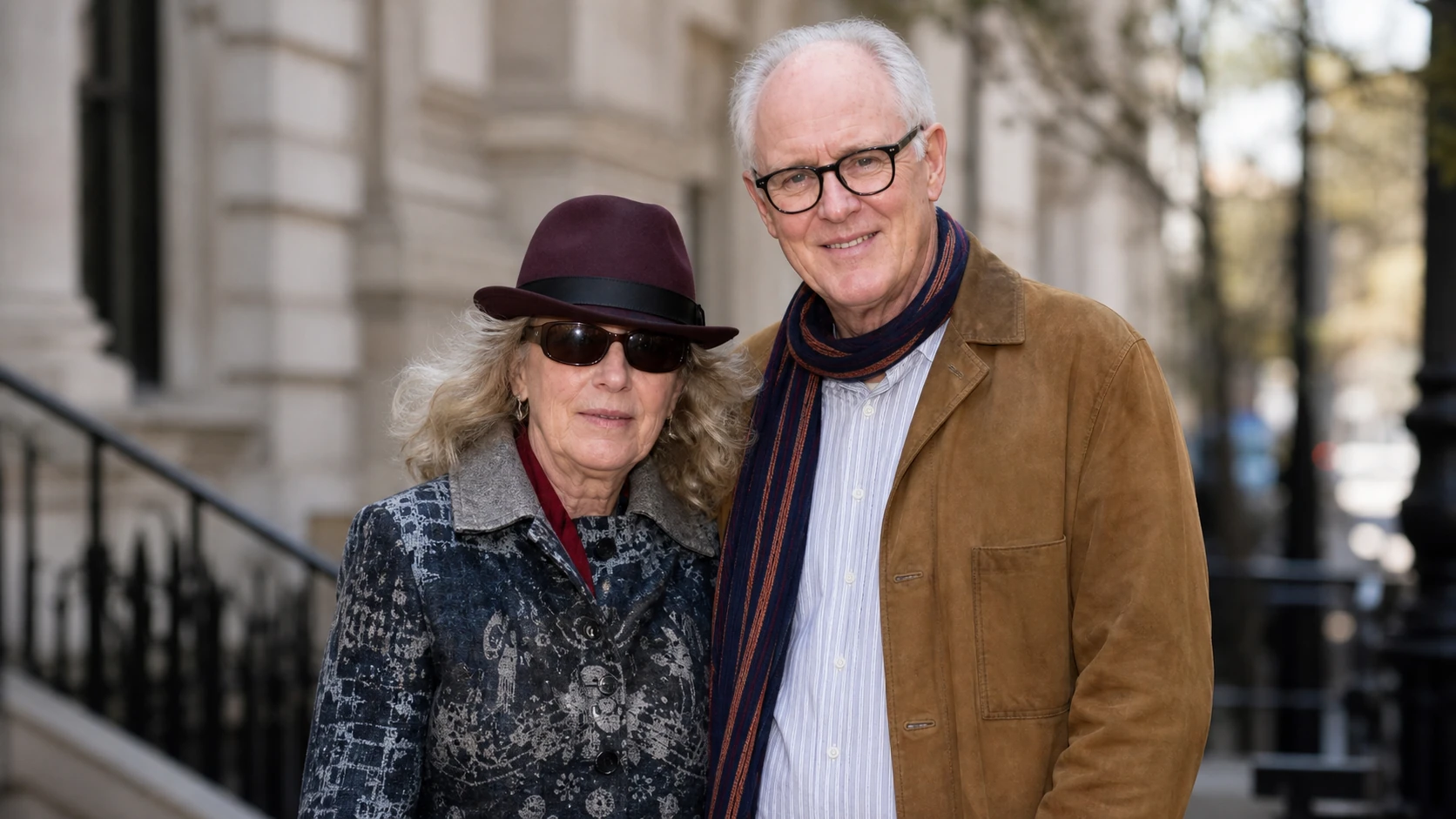
Jean Taynton, identified in historical records as Jean Ellen Taynton, is a former teacher best known publicly as the first wife of actor John Lithgow and the mother of their son, Ian Lithgow. She and Lithgow married on September 10, 1966, while he was still completing his education at Harvard, and their marriage ended in divorce in 1980.
Unlike Lithgow, Taynton did not build a public career in entertainment. The surviving record of her own life is comparatively limited, but contemporary and archival sources establish several points with reasonable confidence: she attended Oberlin College in the late 1950s, participated in women’s athletics there, worked as a teacher, and spent more than a decade married to Lithgow during the early development of his acting career.
Much less is reliably documented about her life after their divorce. That gap is significant because many recent online biographies fill it with unsupported claims about her career, present residence, wealth, or personal choices. The stronger historical evidence supports a more measured profile.
Jean Taynton’s identity in the historical record
The name most firmly supported by early records is Jean Ellen Taynton.
Oberlin College’s 1959 Hi-O-Hi yearbook lists “Taynton, Jean Ellen” and associates her with Ardmore, Pennsylvania. A separate family genealogy update compiled in 1974 also identifies John Lithgow’s wife as Jean Ellen Taynton.
Those records are notable because a number of more recent biography websites refer to her as “Jean Phoebe Taynton” or “Phoebe Jean Taynton.” The older sources are closer to the period in question and independently agree on “Jean Ellen,” making that the better-supported full name.
A 1974 family record gives Taynton’s date of birth as June 8, 1939. Because that information comes from a family genealogy rather than a civil birth certificate, it is best treated as a well-documented historical claim rather than an officially verified birth record.
Her years at Oberlin College
Taynton’s connection to Oberlin College provides the clearest surviving evidence of her life before her marriage to Lithgow.
The 1959 Oberlin yearbook places Jean Ellen Taynton among students associated with the Class of 1961. It also records Jean Taynton taking part in women’s athletic activities and serving on the Women’s Athletic Association board.
Those entries establish that she attended Oberlin and was involved in campus life. They do not, however, establish that she ultimately graduated or identify a confirmed field of study. Claims that she earned a particular degree or majored in a specific subject go beyond what the available archival evidence supports.
That distinction matters because Taynton’s biography has often been reconstructed from scattered references rather than from a substantial public record of her own.
Teaching was her documented profession
Authoritative biographical reference material on John Lithgow identifies Jean Taynton as a teacher.
That is the strongest independently supported description of her professional life. It establishes that she had a career separate from Lithgow’s work in theater and film, but reliable public sources provide little detail about where she taught, for how long, or what subjects she specialized in.
Various secondary websites have attached more elaborate descriptions to her teaching career, including claims about particular schools and work with students with dyslexia. Those details are not sufficiently corroborated by the stronger sources available and should not be treated as established facts.
The defensible picture is therefore a modest but clear one: Taynton worked as an educator, while the specifics of that career remain poorly documented in the accessible public record.
Marriage to John Lithgow
Jean Taynton married John Lithgow on September 10, 1966.
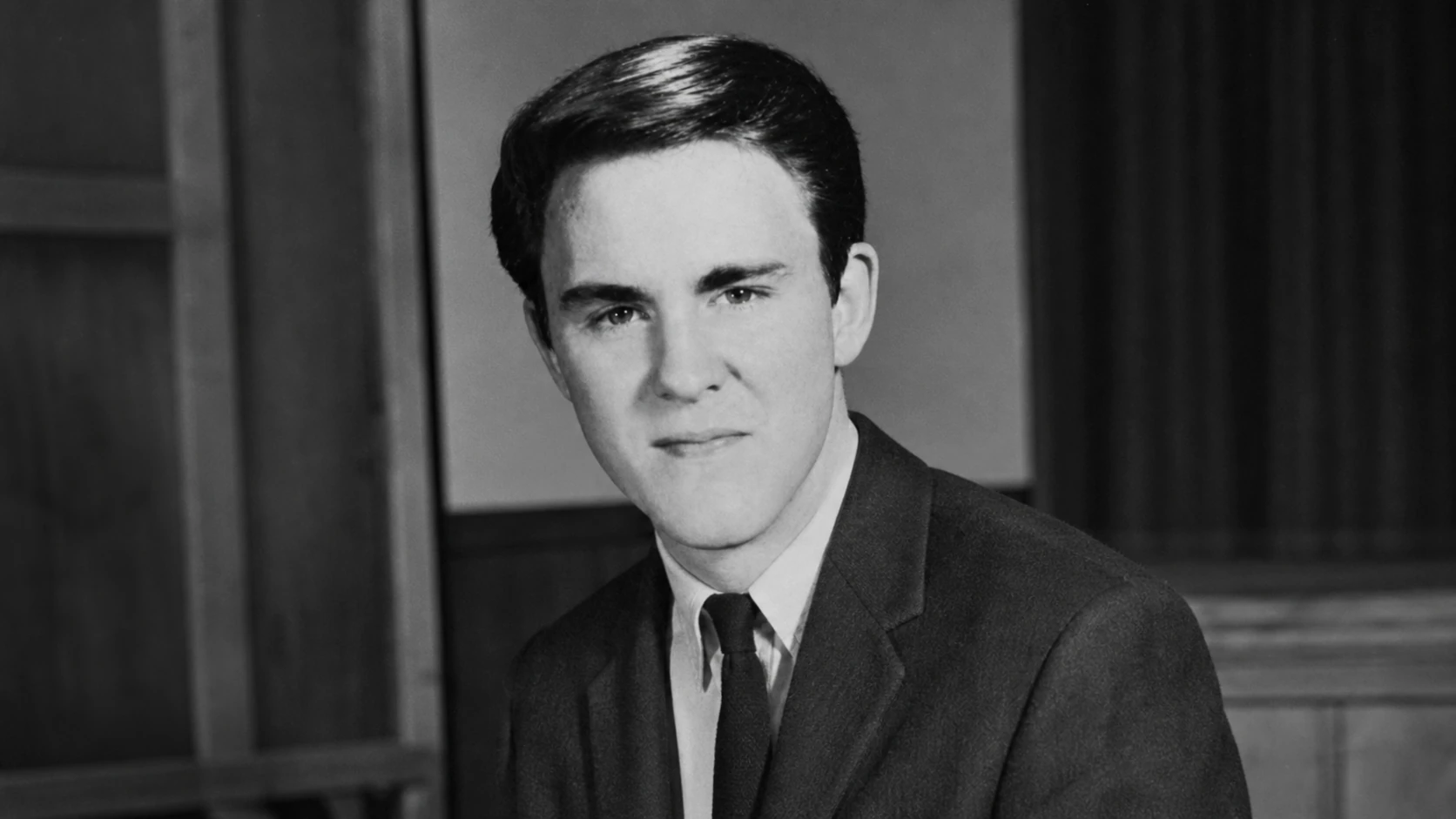
At the time, Lithgow had not yet finished Harvard. He graduated in 1967 and later studied at the London Academy of Music and Dramatic Art, placing the beginning of their marriage before the professional acting career for which he would eventually become widely known.
Lithgow was 20 when they married, shortly before his 21st birthday. Some later biographical pages incorrectly describe him as 19 at the time, but his October 19, 1945 birth date and the September 1966 wedding date make the chronology clear.
The couple remained married through an important period in Lithgow’s early development as an actor. By the 1970s, his theatrical career was accelerating, and he began building the body of stage and screen work that would later make him one of the most recognizable American character actors of his generation.
Taynton’s own role during those years is much less thoroughly documented. There is not enough reliable evidence to make claims about how she influenced, financed, or shaped his career, and doing so would turn absence of evidence into speculation.
Their son, Ian Lithgow
Jean Taynton and John Lithgow had a son, Ian Lithgow, in 1972.
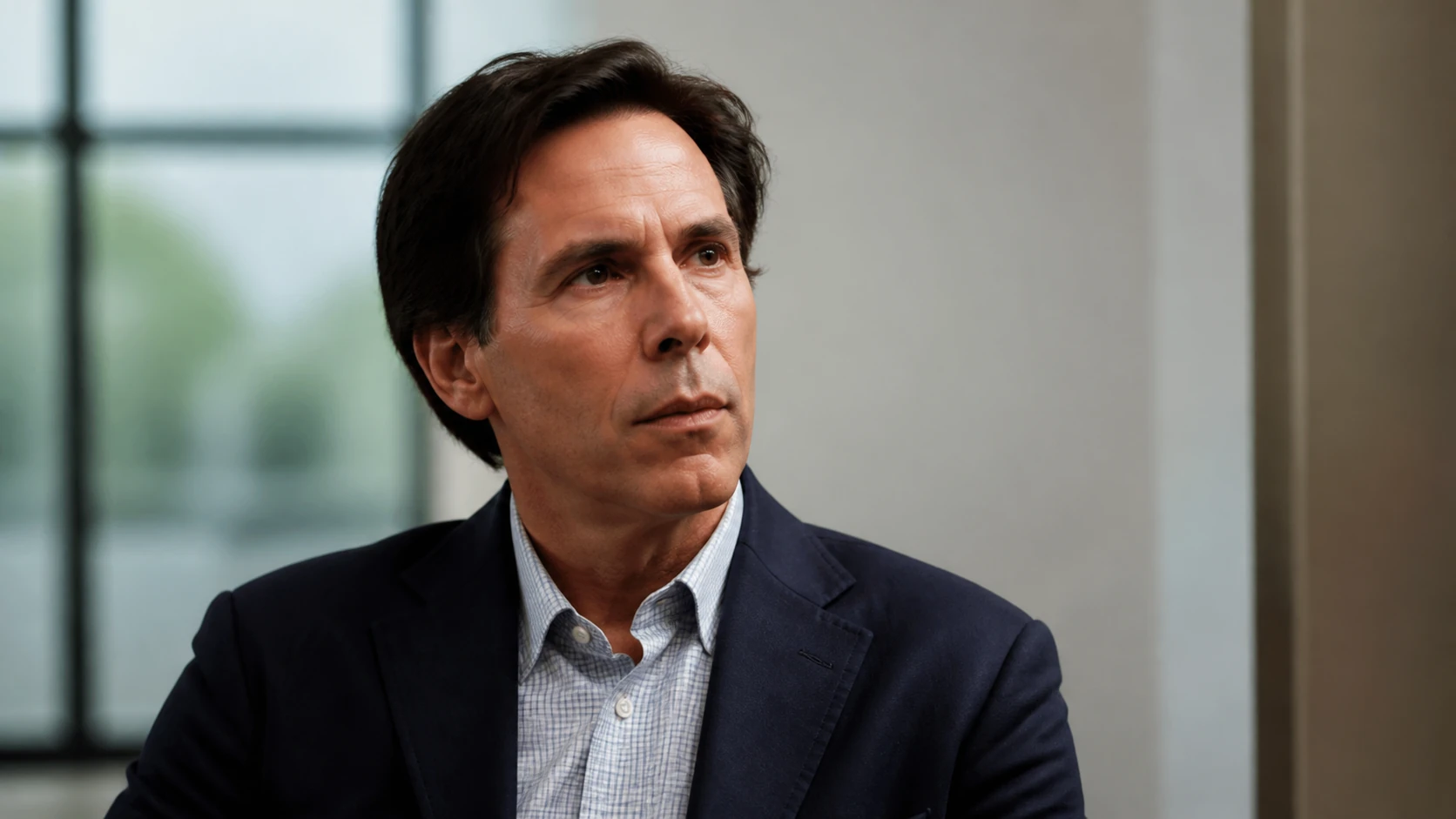
A 1974 family genealogy records his full name as Ian David Lithgow and gives his birth date as February 3, 1972. Other biographical sources independently confirm that Ian was born in 1972 and is the son of Lithgow and Taynton.
Ian later followed part of the family’s theatrical tradition. His professional biography describes him as a third-generation actor and a Harvard graduate. He also pursued a separate career in mental-health care, earning a master’s degree in clinical psychology and becoming a licensed marriage and family therapist in New York.
His career provides one of the clearest continuing public links between Taynton and the Lithgow family, although Taynton herself has remained largely outside contemporary media coverage.
The marriage ended in 1980
Taynton and Lithgow divorced in 1980, after roughly 14 years of marriage.
John Lithgow has discussed his early marriage and its breakdown in his memoir, Drama: An Actor’s Education. Publisher material describes the book as candid about both his early marriage and an affair. Because the relevant memoir passages are not readily available in the sources supporting this profile, it would be misleading to reduce the divorce to a single cause or reproduce more detailed accounts without direct attribution.
The reliable public fact is simply that the marriage ended in 1980. Lithgow married Mary Yeager the following year.
For Taynton, the divorce also marks the point at which the accessible public record becomes much thinner.
What is known about Jean Taynton after the divorce
There is little authoritative public information about Taynton’s life after 1980.
Reliable recent sources do not establish her present residence, whether she remarried, whether she continued teaching for a specific period, or what her current circumstances are. Nor is there strong evidence supporting the frequently repeated assertion that she consciously “chose a private life” after her marriage ended.
It is reasonable to say that her later life is sparsely documented publicly. It is not reasonable to convert that lack of documentation into claims about her personality, preferences, retirement, or present-day lifestyle.
The same caution applies to her current status. No sufficiently authoritative recent source in the available record confirms where she lives now or provides a definitive current biographical update. Likewise, an absence of readily located obituary material cannot by itself establish that someone is living.
Why her name still attracts interest
Taynton remains publicly relevant primarily because of her place in John Lithgow’s family history and because their son Ian has also maintained a professional life with public elements.
Lithgow himself remains highly visible. In 2026, he won a Tony Award for his performance in Giant and was also cast as Albus Dumbledore in HBO’s Harry Potter television series. Renewed attention around a prominent actor often sends readers back through earlier parts of that person’s biography, including former spouses and family relationships.
That context helps explain continued searches for Jean Taynton, but it should not be mistaken for a new development in her own public life.
Her biography is most accurately understood on its own limited evidentiary terms: she was an Oberlin student, a teacher, Lithgow’s first wife, and Ian Lithgow’s mother. Beyond those documented points, the historical record becomes increasingly sparse.
Final thoughts
Jean Taynton occupies a recognizable place in John Lithgow’s biography, but she should not be reduced solely to the label of “John Lithgow’s first wife.” Archival records establish an earlier identity of her own: Jean Ellen Taynton attended Oberlin College, participated in campus athletics and worked professionally as a teacher.
Her marriage to Lithgow lasted from 1966 to 1980, and they had one son, Ian, in 1972. After the divorce, dependable information about Taynton largely disappears from the public record.
That scarcity calls for precision rather than speculation. The most useful profile of Jean Taynton is therefore not an expansive celebrity biography, but a careful account of the relatively small set of facts that historical and authoritative sources genuinely support.
