

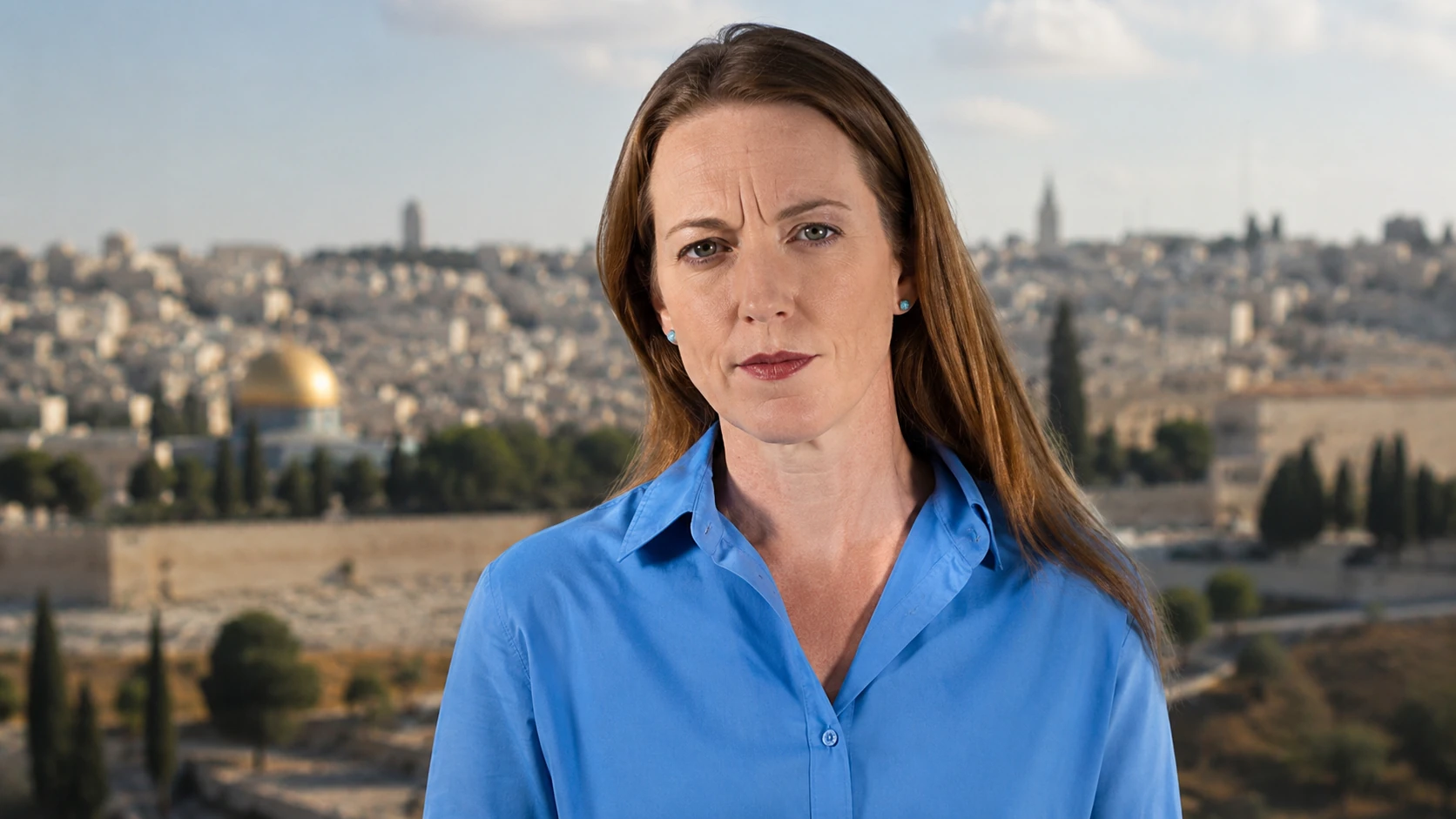
Yolande Knell is one of those journalists whose name often appears at moments when the news is difficult, contested, and emotionally heavy. For many BBC viewers, listeners, and readers, she is the calm voice explaining events from Jerusalem, Gaza, the West Bank, Israel, Egypt, and the wider Middle East. She is not a celebrity journalist in the usual sense, and she has not built her public profile around personal exposure. Her reputation comes instead from years of steady reporting in a region where facts are often disputed before they are even fully known.
That is why searches for “yolande knell” usually carry two questions at once. People want to know who she is, but they also want to know whether they can trust the work attached to her name. The answer begins with the public record: Knell is a BBC Middle East correspondent, widely associated with reporting from Jerusalem and the surrounding region. Beyond that, the details become more private, and a careful biography has to separate what is known from what is merely repeated online.
Who Is Yolande Knell?
Yolande Knell is a British broadcast and print journalist best known for her work as a BBC Middle East correspondent. Her reporting has appeared across BBC News platforms, including online articles, television reports, radio segments, and audio explainers. She is most closely associated with coverage of Israel, the Palestinian territories, Gaza, the occupied West Bank, Jerusalem, Egypt, and major regional political developments. Her work places her in one of the most demanding reporting beats in international journalism.
Unlike some television personalities, Knell has kept a low personal profile. She does not appear to have made her private life part of her professional brand, and reliable public information about her family, age, marriage, or personal background is limited. This has not stopped biography sites from publishing claims, but many of those claims are not supported by strong evidence. A responsible account of her life has to begin by admitting that her public identity is defined mainly through her journalism.
That public identity is still substantial. Knell has covered wars, political transitions, religious tensions, humanitarian emergencies, court cases, elections, cultural stories, and the lives of ordinary people caught between systems of power. Her bylines and broadcasts show a reporter who has stayed with the region over many years rather than arriving only for dramatic moments. That continuity matters because the Middle East is a beat where history sits inside almost every current event.
Early Life and Family Background
Yolande Knell’s early life is not widely documented in reliable public sources. There is no confirmed public record that clearly establishes her exact date of birth, childhood hometown, parents, siblings, or family upbringing. Some websites make claims about these details, but they often do so without citing primary sources or reputable interviews. For that reason, those claims should be treated with caution rather than repeated as fact.
What can be said safely is that Knell’s professional path suggests strong training in journalism, international affairs, and regional reporting. Her career has required a command of complex political history, careful language, field reporting, and the ability to work across cultures and institutions. Those skills do not appear overnight, especially on a beat as sensitive as Israel and the Palestinian territories. They are usually built through years of newsroom experience, editorial discipline, and time spent listening in the field.
Her private approach may also reflect the reality of her work. Foreign correspondents covering conflict zones and polarizing political subjects often keep family details away from public view. This can be a matter of personal preference, but it can also be a matter of safety and professional boundaries. In Knell’s case, the lack of reliable personal detail should not be filled with speculation.
Education and Path Into Journalism
There is no widely confirmed, detailed public account of Yolande Knell’s education. Searches for her name often produce biography-style pages that imply educational history, but strong sources do not clearly verify a school, university, degree, or early academic record. This is an important gap because education is often copied from one weak profile to another online. Without a reliable source, it should remain unconfirmed.
Still, her career shows the marks of a journalist trained in international reporting. Her BBC work requires more than presenting information clearly. It demands source evaluation, legal awareness, editorial judgment, and an understanding of how official claims, local testimony, humanitarian data, and historical context fit together. These are not decorative skills; they shape the reliability of every dispatch.
Knell’s route into journalism appears to have led her toward foreign reporting rather than studio-based commentary. Her published and broadcast work has long been linked to events on the ground, from Egypt’s political upheavals to Israeli-Palestinian tensions and Gaza’s humanitarian crises. She is best understood as a correspondent whose authority comes from repeated contact with the region. That kind of career is built through presence, not branding.
BBC Career and Middle East Reporting
Yolande Knell’s name is most strongly tied to the BBC, where she has worked as a Middle East correspondent. The BBC role places her inside one of the world’s most visible public-service newsrooms, with reporting standards shaped by accuracy, attribution, impartiality, and editorial review. That does not mean every reader will agree with every report. It does mean her work is produced within a formal news structure rather than as personal commentary.
Her reporting has covered Israel, Gaza, the West Bank, Jerusalem, Egypt, and wider regional subjects. She has written and broadcast on Israeli politics, Palestinian life under occupation and conflict, Gaza’s humanitarian conditions, hostage families, settler violence, religious observances, aid restrictions, and cultural heritage. This range is one of the defining features of her career. She is not only a crisis reporter; she also covers the social and human consequences that continue after the headline moment passes.
A Middle East correspondent must often report through contradiction. Officials make competing claims, witnesses describe traumatic events, access may be limited, and casualty figures can become politically charged. Knell’s job has often been to present what is known, attribute what cannot be independently confirmed, and give readers enough context to understand why an event matters. That may sound simple, but on this beat it is a daily test of judgment.
Reporting From Jerusalem and the Region
Jerusalem is one of the most symbolically loaded cities in world journalism. A correspondent based there is close to Israeli government institutions, Palestinian communities, foreign diplomats, religious authorities, human rights organizations, military spokespeople, and families directly affected by conflict. Reports from Jerusalem can move quickly from court hearings to funerals, from cabinet decisions to protests, from religious ceremonies to diplomatic negotiations. Knell’s work has often reflected that pressure.
Her reporting from the region shows an interest in how political decisions touch ordinary lives. A story about aid is also a story about food, medicine, shelter, and dignity. A story about hostages is also a story about families, protest movements, national trauma, and diplomatic pressure. A story about the West Bank is not only about land and security, but also about farmers, settlers, checkpoints, law, fear, and memory.
That approach helps explain why her reports often feel grounded in people rather than only institutions. She tends to bring readers into the human setting before expanding outward to the political frame. This is a classic strength of good foreign correspondence. It reminds audiences that even the largest geopolitical stories are lived one household at a time.
Coverage of Israel, Gaza, and the Palestinian Territories
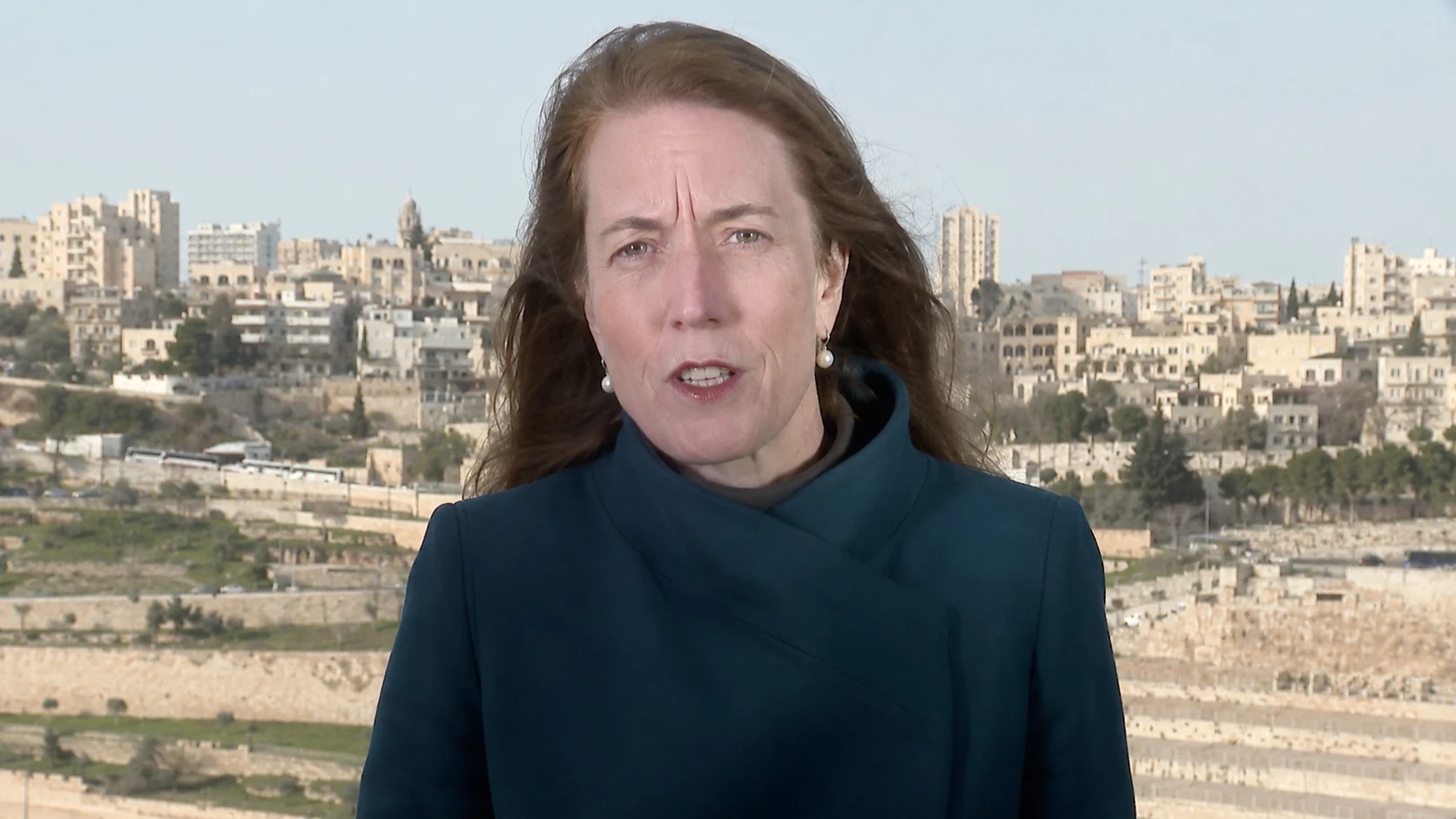
Yolande Knell’s most visible recent work has been connected to Israel, Gaza, and the Palestinian territories. This has included coverage of the aftermath of the 7 October 2023 Hamas-led attacks on Israel, the Israeli military campaign in Gaza, hostage negotiations, humanitarian conditions, and the wider political fallout. These subjects have dominated global news and placed intense pressure on every reporter covering the region. Knell’s work has appeared during a period when access, sourcing, and public trust have all been under strain.
Reporting on Gaza since 2023 has been especially difficult for international journalists. Independent foreign media access to the territory has been heavily restricted, making local Palestinian journalists, aid workers, residents, official briefings, verified imagery, and international organizations central to the reporting process. A correspondent outside Gaza must be clear about what she has seen directly and what has been reported through other sources. The best coverage makes those boundaries visible rather than hiding them.
Knell’s work in this period has included both hard news and human stories. Reports on destroyed homes, medical evacuations, winter conditions, food shortages, damaged heritage sites, and families searching for safety sit beside coverage of Israeli politics and hostage families. This is the reality of the beat: the military, legal, and diplomatic stories cannot be separated from the daily survival of civilians. Her reporting has often tried to hold those pieces together.
Work in Egypt and Wider Middle East Stories
Although many readers associate Yolande Knell with Jerusalem and the Israeli-Palestinian conflict, her career has also included reporting from Egypt and the wider Middle East. Egypt has long been central to regional politics, from its peace treaty with Israel to its role in Gaza diplomacy and its own domestic upheavals. A journalist covering Egypt must understand the country as both a regional power and a society shaped by economic pressure, political control, religion, youth culture, and memory. Knell’s reporting history has placed her in that broader regional frame.
Her work has also touched cultural and historical stories, not only war and politics. Coverage connected to Egyptian antiquities, heritage, and public life shows another side of the Middle East beat. These stories matter because they resist the lazy idea that the region exists only as a crisis zone. A serious correspondent has to see the museum opening, the family celebration, and the damaged neighborhood as parts of the same human geography.
This wider range gives Knell’s career more depth than a single-topic profile might suggest. The Middle East is often flattened in international coverage, especially during war. Reporters who stay with the region across different kinds of stories can help readers see continuity as well as rupture. Knell’s body of work reflects that long-view responsibility.
Reporting Style and Public Voice
Yolande Knell’s reporting style is measured, direct, and rooted in attribution. She is not known for dramatic self-presentation or opinion-heavy commentary. Her public voice is closer to the BBC correspondent tradition: explain the scene, identify the claims, add context, and leave space where facts remain incomplete. That restraint is useful on a beat where emotional pressure can easily overtake precision.
One recognizable feature of her work is the movement between personal story and political explanation. She may begin with a family, a marketplace, a church service, a hospital transfer, or a protest, then connect that moment to the wider forces behind it. This structure gives readers a way into complex events without oversimplifying them. It also keeps the reporting from becoming a list of official statements.
Her style also reflects the practical limits of conflict reporting. A responsible correspondent must say who provided information and what remains unverified. That can make the writing less dramatic than social media summaries, but it makes it more useful. In the long run, credibility depends on that discipline.
Public Image and Criticism
Yolande Knell works on a beat where criticism is unavoidable. BBC coverage of Israel and the Palestinians is frequently challenged by audiences, activists, politicians, and media-monitoring groups from different sides. Some accuse the broadcaster of favoring Israel, while others accuse it of favoring Palestinians. This pattern has followed the BBC for decades and applies to many correspondents who report from the region.
Knell has been named in criticism from some media-monitoring organizations, especially over language, framing, context, and the ordering of facts. Such criticism should be read seriously but also carefully. Media monitors often have their own political or advocacy perspectives, and a critique may reveal either a real weakness in a report or the expectations of a particular audience. The fair test is the evidence in the story itself.
For readers, this means one article or one complaint should not define a journalist’s reputation. A better method is to read across a body of work and ask whether the reporting attributes claims properly, includes relevant context, corrects errors when needed, and avoids unsupported certainty. Knell’s public image is shaped by the difficulty of her beat as much as by her individual choices. That is part of the burden of covering a conflict watched closely around the world.
Marriage, Children, and Private Life
There is no reliable public confirmation of Yolande Knell’s marital status, spouse, children, or close family relationships. Some online pages may suggest personal details, but those claims are not strongly supported in reputable public records. Because of that, they should not be presented as established facts. A biography can be complete without invading or inventing private life.
This privacy is not unusual among foreign correspondents. Reporters working in sensitive areas may choose to keep family members out of public view, especially when their work attracts political anger or online harassment. The decision to remain private does not make a journalist mysterious or evasive. It simply means the public record is centered on work.
In Knell’s case, the most respectful and accurate approach is to focus on what she has made public through her reporting. Her career, bylines, broadcasts, and professional role are well established. Her personal life is not. That boundary should be treated as part of the story rather than a gap to be filled by rumor.
Net Worth, Salary, and Income Sources
There is no credible public figure for Yolande Knell’s net worth. Websites that estimate journalist net worth often do so without access to salary records, contracts, assets, property, investments, or private financial information. Such estimates are usually guesses dressed up as data. For Knell, any precise number would be unreliable unless supported by a strong source.
Her known income source is her journalism career, especially her work with the BBC. BBC salaries vary widely depending on role, contract, seniority, location, and whether a journalist appears on published pay lists. Many correspondents are not public-facing celebrity presenters with widely reported salaries. Without verified salary disclosure, it would be misleading to assign Knell a specific annual income.
The more useful financial context is professional rather than personal. Foreign correspondence is a demanding job, but it is not the same as celebrity media entrepreneurship. Knell’s public standing comes from reporting, not visible business ventures, brand partnerships, or public investments. There is no confirmed record of major business interests tied to her name.
Achievements and Professional Standing
Yolande Knell’s chief achievement is sustained reporting from one of the world’s most complex news regions. That may sound less tidy than a list of awards, but in foreign journalism, endurance and accuracy over time are themselves serious accomplishments. Covering the Middle East requires more than arriving during a crisis. It requires staying through the quieter consequences, the political shifts, and the stories that do not fit a single headline.
Her work has reached a wide international audience through the BBC. That reach matters because BBC reporting often becomes part of how global readers first understand events in Israel, Gaza, the West Bank, and Egypt. Knell’s byline appears in stories that are read by people far from the region but affected by its politics, diplomacy, and moral questions. She helps translate local events into a form international audiences can follow.
There is no need to exaggerate her standing with unsupported claims about awards or honors. Her visible record is strong enough on its own. A correspondent who repeatedly reports from Jerusalem and the region during years of crisis occupies a serious professional place. The work itself is the credential.
Where Yolande Knell Is Now
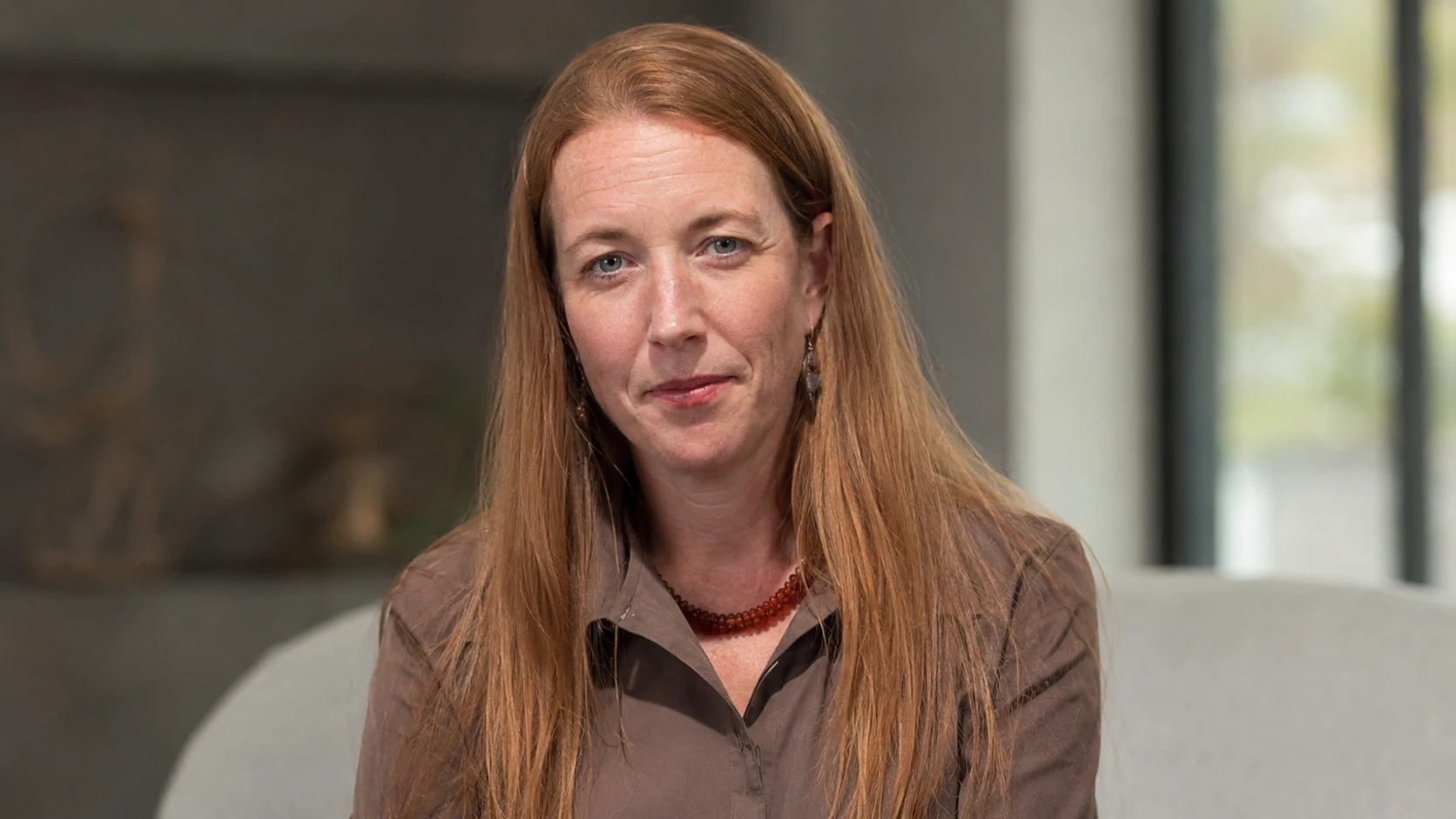
Yolande Knell remains publicly associated with BBC Middle East reporting. Her recent work continues to focus on Israel, Gaza, Jerusalem, the West Bank, regional diplomacy, humanitarian conditions, and the social effects of conflict. She also appears in BBC audio and broadcast formats where correspondents explain fast-moving events for international audiences. Her role remains relevant because the region remains central to world news.
The period after 2023 has made her beat even more demanding. Gaza access limits, hostage negotiations, Israeli domestic divisions, Palestinian political uncertainty, and the humanitarian toll of war have all shaped the reporting environment. A correspondent in this setting must move between breaking news and longer-term explanation. Knell’s continued presence on these stories shows that she remains part of the BBC’s core Middle East coverage.
Her current public profile is therefore professional, not personal. Readers looking for dramatic private-life revelations are unlikely to find reliable answers. Readers looking for a journalist’s record will find a long trail of reports from places where language, history, fear, and power meet every day. That is the real story of Yolande Knell’s public life.
Frequently Asked Questions
Who is Yolande Knell?
Yolande Knell is a BBC journalist best known as a Middle East correspondent. She reports on Israel, Gaza, the Palestinian territories, Jerusalem, Egypt, and wider regional affairs. Her work appears across BBC platforms and is often connected to major political, humanitarian, and conflict-related stories. She is recognized more for her reporting than for public personal exposure.
What nationality is Yolande Knell?
Yolande Knell is widely described as a British journalist because of her long association with the BBC. Reliable public profiles focus mainly on her professional role rather than personal background. If more specific details about birthplace or citizenship exist, they are not widely confirmed in strong public sources. It is safest to describe her through her BBC role rather than unsupported personal claims.
How old is Yolande Knell?
Yolande Knell’s exact age and date of birth are not reliably confirmed in strong public sources. Some biography websites may publish estimates, but those estimates should be treated carefully. Without confirmation from a reputable source or from Knell herself, her age should not be stated as fact. Her career record is much clearer than her private biographical details.
Is Yolande Knell married?
There is no reliable public confirmation of Yolande Knell’s marriage, husband, or children. She appears to keep her private life separate from her professional work. This is common among journalists who cover sensitive political and conflict-related subjects. Any claim about her family life should be treated as unverified unless supported by a strong source.
What does Yolande Knell report on?
Yolande Knell reports mainly on Middle East affairs, with a strong focus on Israel, Gaza, Jerusalem, the West Bank, and Egypt. Her stories include conflict coverage, politics, humanitarian issues, hostage families, cultural heritage, religious life, and civilian experiences. She often connects individual stories to wider political and historical forces. That mix is central to her reporting style.
What is Yolande Knell’s net worth?
There is no credible public estimate of Yolande Knell’s net worth. Online figures should be treated with caution because they rarely show access to real financial records. Her known professional income source is journalism, especially her BBC work. Without verified salary or asset information, a specific net worth number would be speculative.
Does Yolande Knell have a Wikipedia page?
Yolande Knell is referenced in public online contexts connected to BBC journalism and Middle East reporting, but a full standalone biography is not always clearly established in reliable reference form. This is not unusual for working journalists who are known through their bylines rather than celebrity status. Her reporting record is more useful than thin biography summaries. Readers should rely on reputable professional profiles and BBC work when checking her background.
Conclusion
Yolande Knell’s biography is unusual only if one expects every public figure to live publicly. She has not built her name through personal branding, memoir, celebrity interviews, or social media spectacle. She has built it through reporting from a region where every sentence can carry political weight. That kind of career leaves a public record made of bylines, broadcasts, and careful attribution.
The facts that can be verified are enough to explain why readers search for her. She is a BBC Middle East correspondent with years of experience covering Israel, Gaza, the West Bank, Jerusalem, Egypt, and the region’s human and political crises. The facts that cannot be verified should be left alone. A good profile does not need to invent a childhood scene, a family detail, or a bank balance to make a journalist’s life meaningful.
What remains is the picture of a correspondent working at the edge of public trust. Knell’s job is to report from places where grief, anger, history, and power collide. Readers may agree or disagree with particular coverage, but the seriousness of the work is clear. Her place in public life rests on that difficult task: helping audiences understand a region that rarely gives anyone simple answers.
