

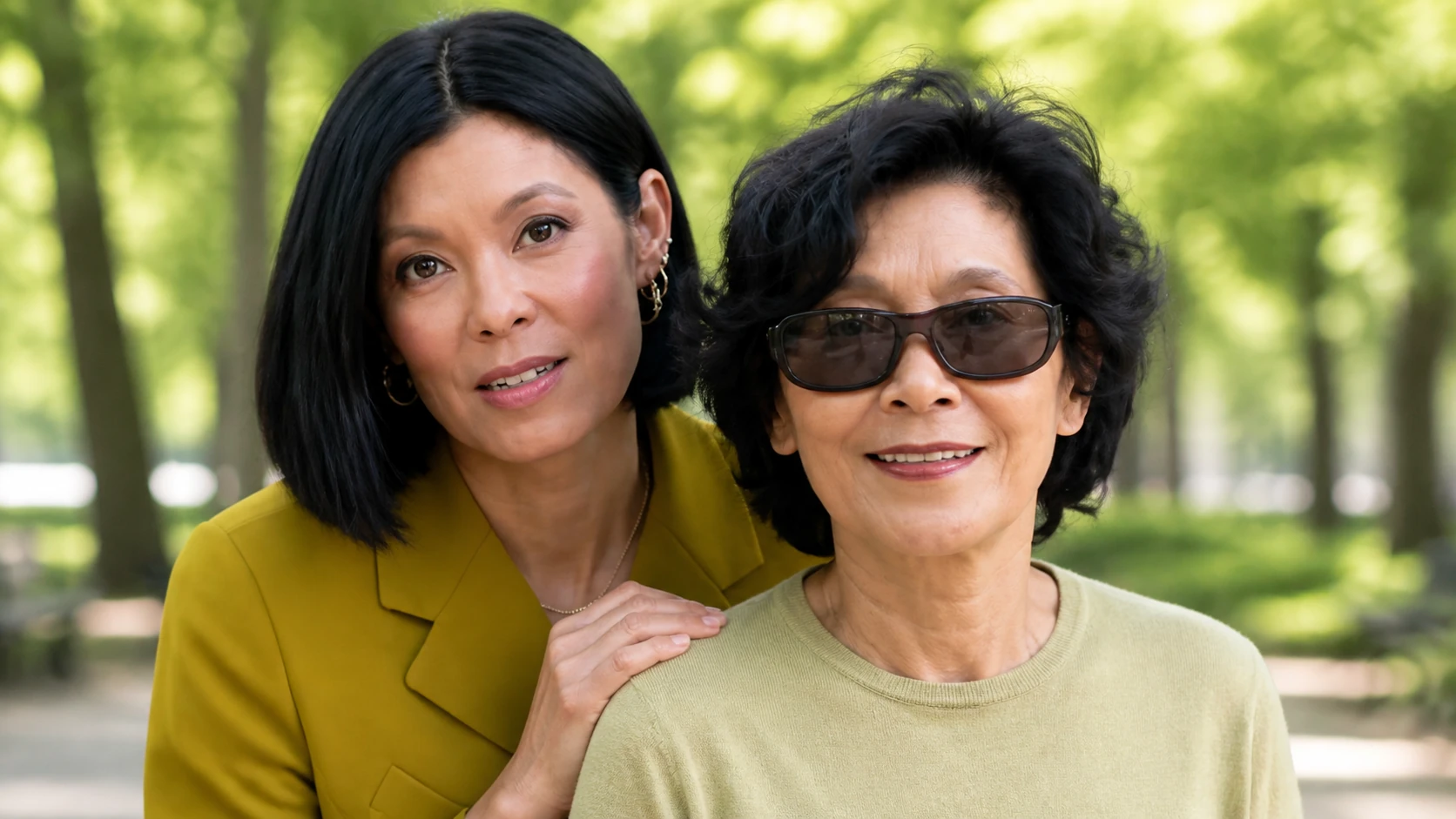
Tin Swe Thant is a Burmese-born American immigrant best known publicly as the mother of journalist and author Alex Wagner. Although she has largely lived outside the spotlight, her life story has become an important part of Wagner’s writing about ancestry, immigration, identity and belonging.
Beyond her connection to her daughter, Tin Swe Thant has her own documented history as a Swarthmore College graduate, a Washington-area professional and a participant in nonprofit and educational work. Public records show a career that included fundraising and organizational roles, while some older records with her distinctive name suggest additional work in education-related fields that cannot be linked with complete certainty.
Her public significance comes less from celebrity and more from the experiences that shaped a family story: growing up in Burma during a period of cultural transition, immigrating to the United States, building a life in Washington, D.C., and passing on a connection to Burmese heritage that later influenced Alex Wagner’s exploration of identity.
Growing up in Burma and the story behind the name “Maureen”
Tin Swe Thant was born in Burma, now known as Myanmar, in the Rangoon (Yangon) area according to accounts by her daughter Alex Wagner. One of the most widely discussed parts of her early life is the story of how she was given an English name during her education.
In a 2021 essay for The Atlantic, Wagner explained that her mother attended English-language schools during the final years of British colonial influence in Burma. Students were expected to use Western names in that environment, and Tin Swe Thant’s father, U Thant Gyi, chose the name “Maureen” for her. For a time, she was known as “Maureen Thant Gyi.”
Wagner later connected this experience to broader questions about cultural identity, assimilation and the complicated relationship many immigrant families have with names. Her mother’s story became one of the personal examples Wagner used when exploring what it means to inherit multiple cultural histories.
Immigration to the United States and Swarthmore education
According to Wagner’s memoir Futureface: A Family Mystery, an Epic Quest, and the Secret to Belonging, Tin Swe Thant immigrated from Rangoon to the United States in 1965.
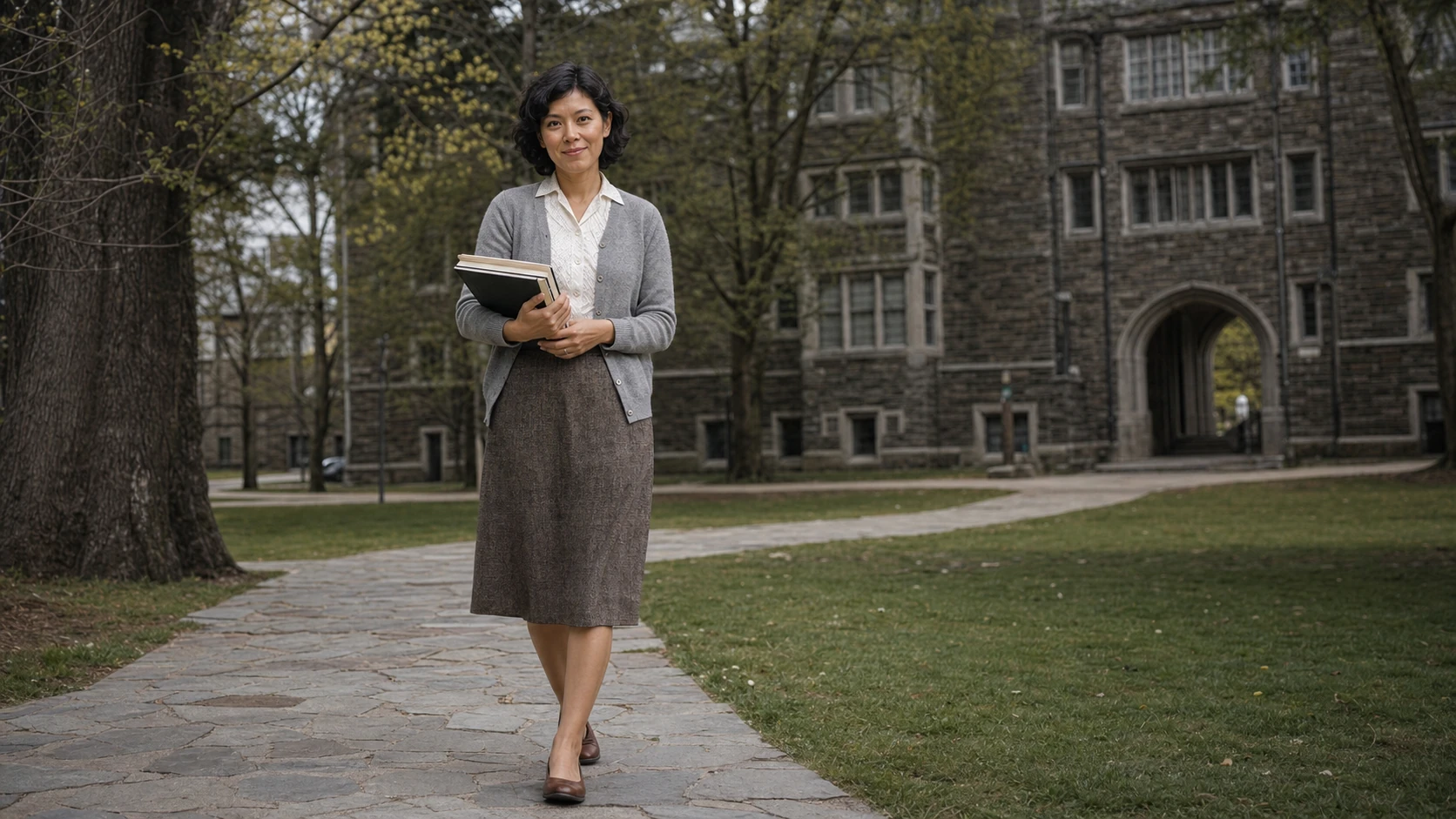
After arriving in America, she attended Swarthmore College, where she studied political science. Wagner has described her mother’s education as an important stage in a wider journey that combined Burmese heritage with an increasingly American identity.
After her time at Swarthmore, Tin Swe Thant became connected with Washington, D.C.’s political and labor environment. Wagner’s memoir describes her returning to Washington and working for the Teamsters around 1971. Through that work, she became connected with the Alliance for Labor Action, where she met Carl Wagner.
Marriage to Carl Wagner and family life
Tin Swe Thant married political strategist Carl Wagner in 1975. Their only child was Alex Wagner, who later became known for her work as a television journalist, author and political commentator.
Carl Wagner built a long career in Democratic politics, working on presidential campaigns and advising political figures. Tin Swe Thant’s own professional life developed separately, with a focus on nonprofit and organizational work rather than electoral politics.
The couple later divorced. Carl Wagner’s obituary, published by The Washington Post and republished by SFGATE in 2017, confirmed that their marriage had ended.
Although Tin Swe Thant became publicly known through her daughter, Alex Wagner has repeatedly emphasized her mother’s independent story: a Burmese immigrant who built a professional life in the United States while maintaining connections to her original culture.
A career in fundraising and education-related work
Tin Swe Thant’s most clearly documented professional role comes from a 1994 Washington Post profile, which identified her as a fundraiser for an international association of science museums. The article also connected her with Carl Wagner and their daughter Alex, providing an independent contemporary record of her identity and work.
Other professional records appear to show a broader career in nonprofit and education-related fields, although they require careful attribution because they do not independently identify the person as Alex Wagner’s mother.
A 1991 Triangle Coalition directory lists a Tin-Swe Thant as Manager of Corporate and Foundation Development at the American Association of University Women (AAUW) in Washington, D.C. The name, location and career timeline make the connection plausible, but the record itself does not provide a family identifier.
Similarly, a 1971 Education Task Force report from the White House Conference on Youth lists a Tin-Swe Thant as a research assistant, and a 2002 report titled Teachers’ Professional Lives: A View from Nine Industrialized Countries credits a Tin-Swe Thant with work connected to the Council for Basic Education. These records are relevant historical documents but should be treated as probable matches rather than absolute confirmation.
How Tin Swe Thant influenced Alex Wagner’s work
Tin Swe Thant’s greatest public influence has come through the way Alex Wagner has written about family, ancestry and belonging.
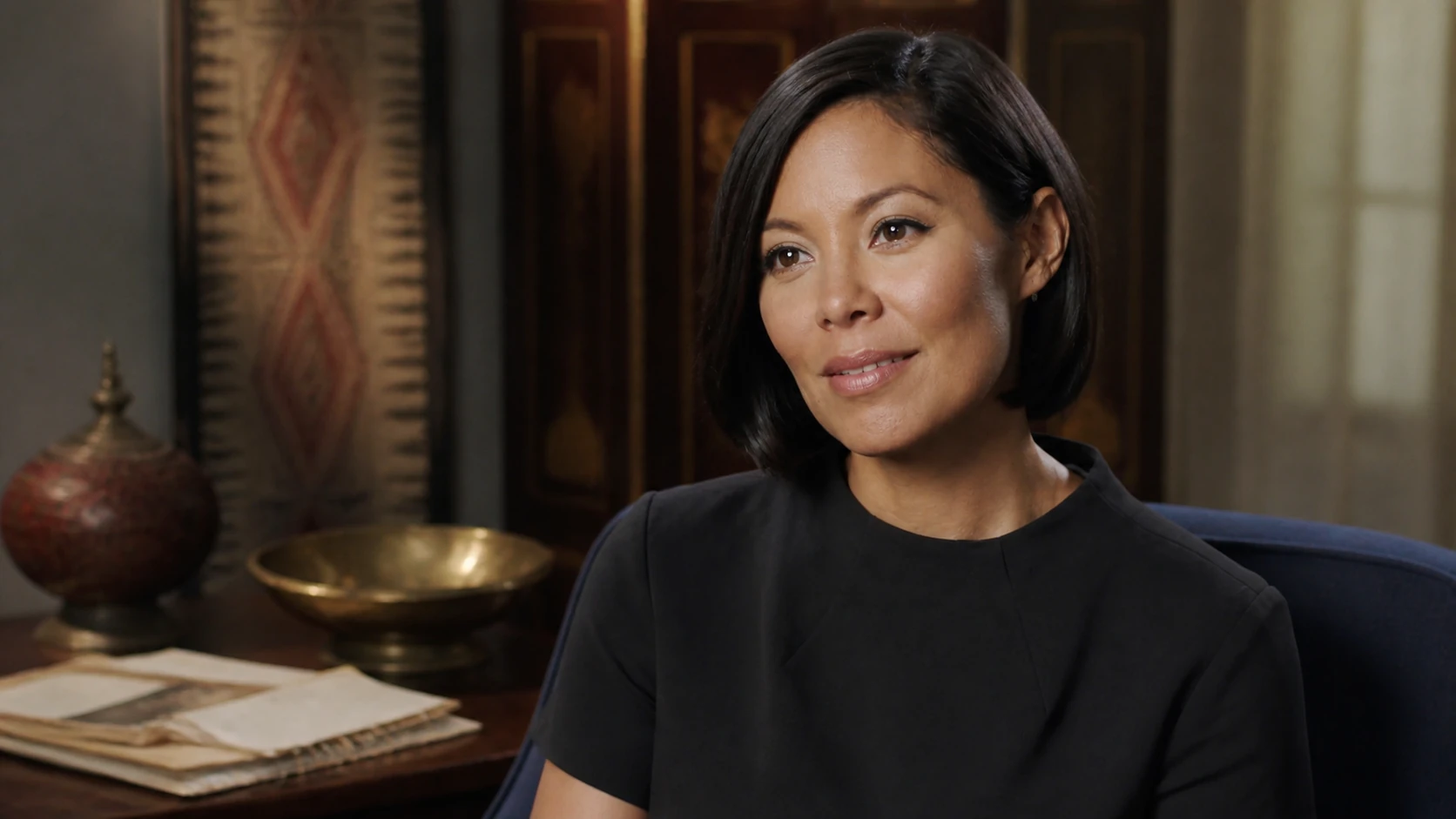
In Futureface, Wagner examined her family history through the lens of migration and identity. Her mother’s journey from Burma to the United States became a central part of that exploration, particularly the tensions between preserving cultural heritage and adapting to a new country.
Wagner has also written about her mother’s continued connection to Burmese identity. In her 2021 Atlantic essay, she described her mother as retired and living in a small Long Island town, while also discussing her participation in conversations around race and social justice.
The family’s connection to Burmese culture has continued across generations. Wagner has shared that she gave one of her sons the Burmese middle name “Thiha,” meaning “lion,” reflecting the importance of heritage within the family.
What is known about Tin Swe Thant today
Information about Tin Swe Thant’s current life is limited. The most recent detailed public account located comes from Alex Wagner’s 2021 writing, which described her mother as retired. No authoritative 2025 or 2026 source confirming her current residence, activities or personal circumstances has been identified.
Details often repeated online, including an exact birth date, precise age, personal wealth or other private statistics, have not been independently confirmed through reliable sources.
There is also no reliable evidence establishing a family relationship between Tin Swe Thant and former United Nations Secretary-General U Thant. Although the names are similar, Alex Wagner has identified her maternal grandfather as U Thant Gyi, and similar Burmese names alone are not enough to establish a connection.
Final thoughts
Tin Swe Thant’s public story is not built around fame but around migration, identity and family history. The available record shows a Burmese-born woman who built a life in the United States, earned a college education, developed a professional career and became an important influence on Alex Wagner’s understanding of heritage and belonging.
While many details of her private life remain unknown, the documented parts of her journey provide a meaningful portrait of an immigrant experience that shaped one of American journalism’s most recognizable voices.
