

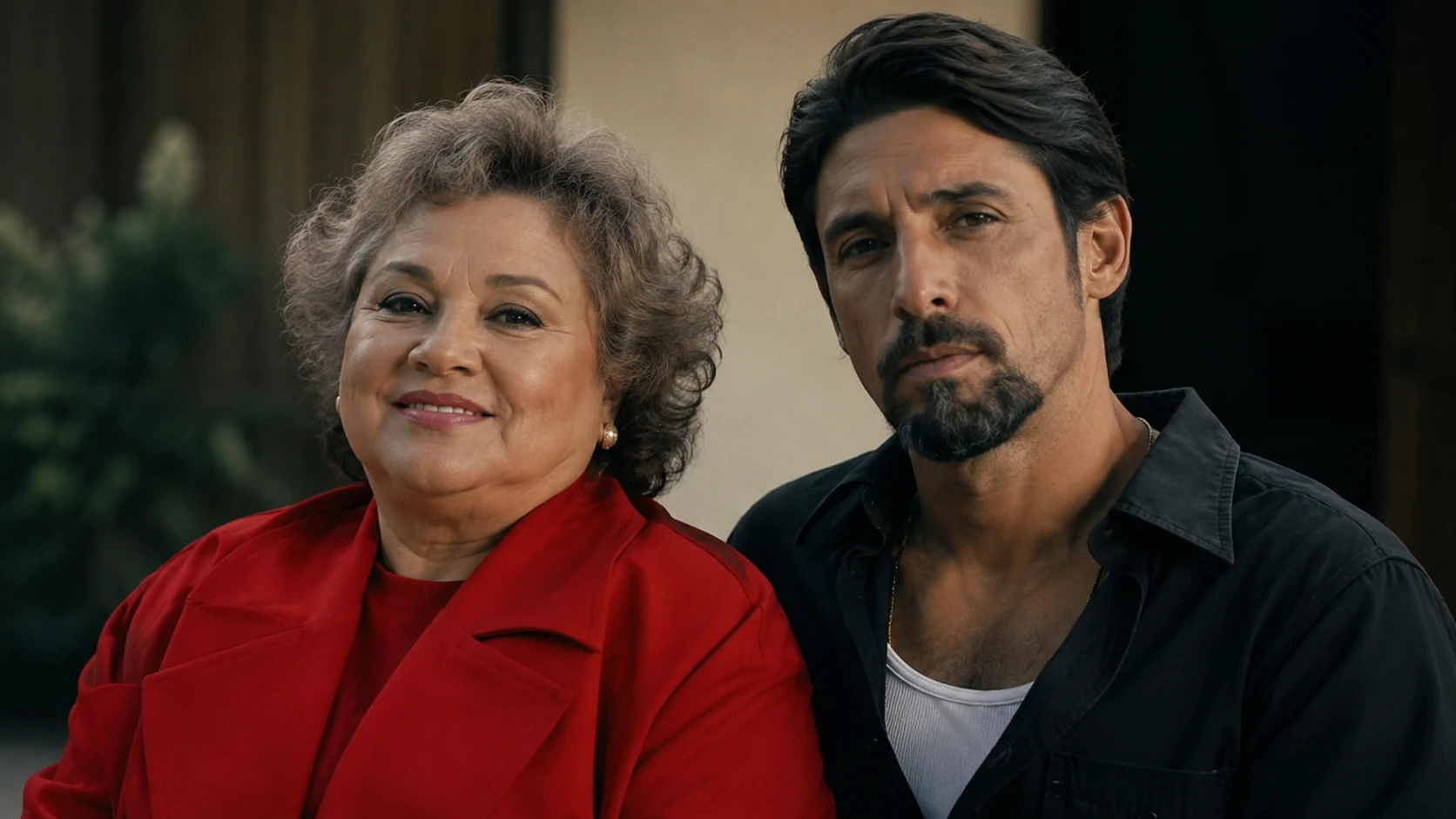
Darío Sepúlveda is remembered less as a public figure in his own right than as a man pulled into the violent orbit of Griselda Blanco, the Colombian drug trafficker known as the “Cocaine Godmother.” His name appears again and again because he was Blanco’s third husband, the father of her youngest son, Michael Corleone Blanco, and the man whose death became one of the darkest chapters in her family history. For many readers searching “dario griselda,” the real question is simple: who was Darío Sepúlveda, and what happened between him and Griselda Blanco?
The answer is difficult because Darío’s life was never documented with the same depth as Blanco’s criminal career. He did not leave behind a large public archive, a long court record, or a career that can be traced through interviews and official profiles. Most of what is known about him comes from his connection to Blanco, accounts of their marriage, and reports about the custody conflict involving their son. That does not make his story minor; it makes it more important to handle carefully.
Darío Sepúlveda’s biography is a story about a man whose identity became tied to one of the most feared figures in the cocaine trade. It is also a story about family, power, control, and the human cost of a criminal life that reached far beyond drug routes and courtrooms. His name survives because of tragedy, but behind that tragedy was a father, a husband, and a man caught inside a world where private disputes could turn fatal.
Who Was Darío Sepúlveda?
Darío Sepúlveda was a Colombian man best known as the third husband of Griselda Blanco. He is widely identified as the father of Michael Corleone Blanco, Griselda’s youngest son, who was born in 1978. Unlike Blanco, Darío was not a celebrity criminal, a public businessman, or a figure with a widely recorded independent career. His public identity rests mainly on his marriage, his child, and his reported death in Colombia.
Some accounts describe Darío as having been close to Blanco’s inner circle before becoming her husband. Others refer to him mainly as her spouse and Michael’s father, without offering much detail about his early life or work. Because the public record is thin, it would be irresponsible to invent a fuller childhood, education, or career path for him. What can be said with confidence is that Darío entered Blanco’s life during the period when her criminal influence was growing and her personal world was already marked by danger.
His name is sometimes misspelled or searched in shortened form, which explains why many people type “dario griselda” rather than his full name. That search usually points to curiosity about the relationship between Darío Sepúlveda and Griselda Blanco, not to a separate public profile. Readers often arrive at his story after watching a dramatization, reading about Blanco’s husbands, or learning that Michael Corleone Blanco’s father died violently.
Early Life and Background
Very little reliable public information exists about Darío Sepúlveda’s early life. His exact birth date, childhood home, parents, education, and early ambitions are not clearly confirmed in widely available records. That absence matters because it separates him from many other figures in Blanco’s world whose criminal cases, arrests, or public interviews created a clearer paper trail. Darío appears in the record mainly after he becomes connected to Griselda Blanco.
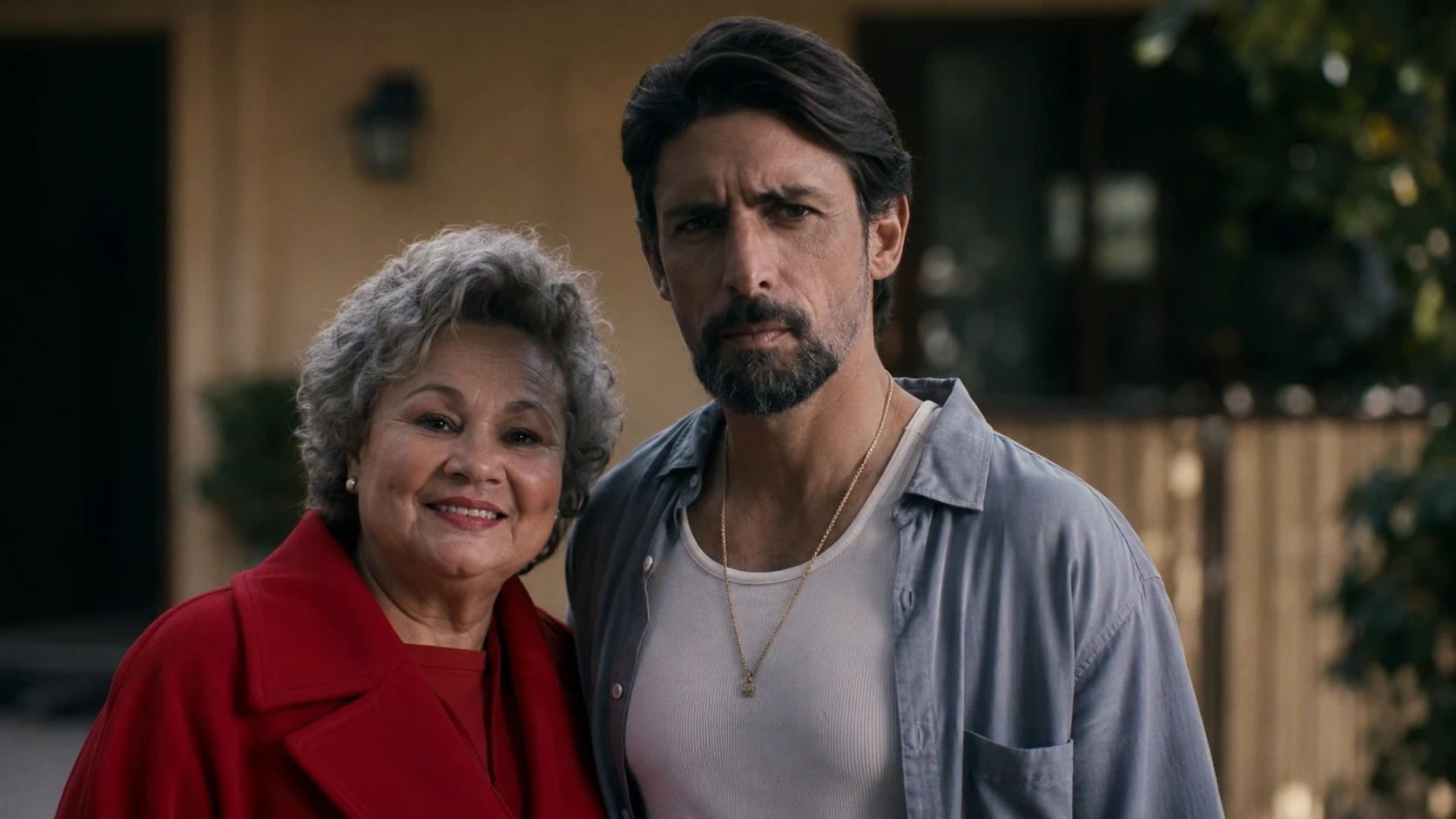
It is generally understood that he was Colombian, and his story is rooted in the same Colombian-American drug era that shaped Blanco’s rise. Colombia in the 1970s and 1980s became central to the cocaine trade, with traffickers building networks that reached Miami, New York, Los Angeles, and other U.S. cities. Blanco became one of the most infamous names in that world because of both her drug operations and the violence attributed to her. Darío’s connection to her placed him near a dangerous criminal structure, even if the details of his personal role remain unclear.
The lack of early detail should not be treated as proof that his life began only with Blanco. It means the available public narrative is incomplete. Many people connected to organized crime figures are remembered only through the famous person beside them, especially when they are not prosecuted or interviewed publicly. Darío’s biography is one of those cases where the silence around a person tells us almost as much as the few facts that remain.
Griselda Blanco Before Darío
Griselda Blanco was born in Colombia in 1943 and became one of the most notorious cocaine traffickers of the late twentieth century. She was associated with major trafficking routes into the United States, especially during the rise of the Miami cocaine market. Her reputation was built not only on money and smuggling but also on extreme violence. Law enforcement officials, journalists, and later documentaries tied her name to numerous killings, though exact numbers vary by account.
Before Darío, Blanco had already been married and had children. Her first husband is usually identified as Carlos Trujillo, with whom she had three sons: Dixon, Uber, and Osvaldo. She was later linked to Alberto Bravo, another figure connected to the drug trade. By the time Darío entered the picture, Blanco was not simply someone attached to criminal men; she had become a force in her own right.
That background shaped everything about Darío’s relationship with her. Marriage to Blanco was not a private romance separate from the criminal world. It meant living close to money, suspicion, enemies, law enforcement pressure, and the constant threat of betrayal. For anyone in her family circle, ordinary domestic conflict could carry consequences far beyond a normal household dispute.
Marriage to Griselda Blanco
Darío Sepúlveda is widely described as Griselda Blanco’s third husband. Their marriage is generally placed in the late 1970s, around the period when their son Michael Corleone Blanco was born. Public accounts do not give a detailed picture of their wedding, their early married life, or the emotional terms of their relationship. What survives is a much harsher outline: the marriage produced a child, broke down, and ended in a violent dispute.
The relationship has often been described through the lens of Blanco’s power. Some accounts say Darío had been close to her as a bodyguard or associate, though this detail is not as firmly documented as his role as Michael’s father. In that world, the line between personal loyalty and professional service could blur. A spouse might also be a protector, messenger, confidant, or liability.
What is clear is that Darío became part of Blanco’s family at a critical time. Her cocaine empire was expanding, Miami was becoming a violent center of the drug trade, and law enforcement attention was increasing. Their home life existed against this background of risk and fear. That makes their marriage hard to read as a normal relationship, because the pressures around them were anything but normal.
Fatherhood and Michael Corleone Blanco
Darío Sepúlveda’s most important public legacy is his son, Michael Corleone Blanco. Michael was born in 1978 and became the youngest of Griselda Blanco’s four sons. His name came from Michael Corleone, the fictional mafia heir in The Godfather, which says much about the image Griselda embraced. It also placed a symbolic burden on a child before he was old enough to understand the world he had entered.
Michael’s childhood was shaped by violence, imprisonment, and loss. His father died when he was young, and his mother spent years in prison after her arrest in the United States. His older half-brothers also died before reaching old age, deepening the sense that the Blanco family name carried danger as much as fame. In later years, Michael became known publicly through reality television and business ventures tied to the Blanco name.
For Darío, fatherhood is the part of his life that gives the story its deepest human weight. He is not remembered only because he married Griselda Blanco. He is remembered because a young child stood at the center of the conflict between them. That child grew up carrying both names, both histories, and the aftermath of a family tragedy.
The Breakup and Custody Conflict
The marriage between Darío Sepúlveda and Griselda Blanco eventually collapsed. The most widely repeated account says Darío left Blanco and returned to Colombia with Michael. Some reports describe this as a custody dispute, while others use stronger language and say Darío took the child without Blanco’s approval. The exact legal details are not easy to confirm from public records.
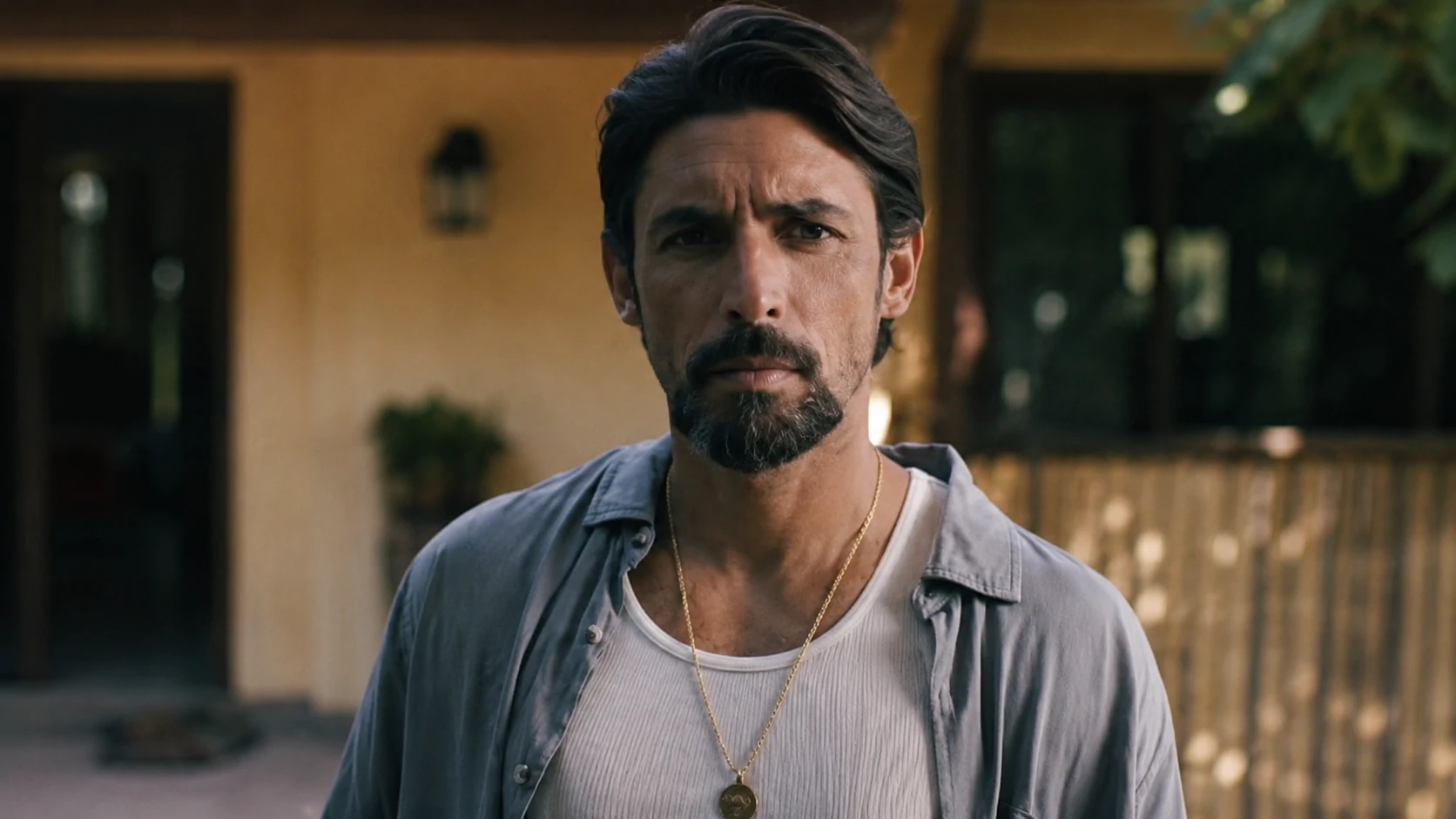
What matters is that the conflict involved control over Michael. In ordinary circumstances, a custody battle is painful but handled through family courts, relatives, and negotiation. In Blanco’s world, power was often enforced through fear. The dispute between Darío and Griselda became part of a much more dangerous pattern.
Accounts of the breakup suggest that Darío wanted distance from Blanco or at least wanted his son with him in Colombia. Blanco, according to the common narrative, wanted Michael returned to her. That disagreement reportedly set the stage for Darío’s death. Whether every detail has been perfectly preserved or not, the broad story has remained consistent across many retellings.
How Darío Sepúlveda Died
Darío Sepúlveda was reportedly killed in Colombia in 1983. The most common version says he was stopped by men dressed as police officers and shot while Michael was present. The killing has long been linked in public accounts to Griselda Blanco, with the claim that she ordered it after Darío took their son. That allegation is widely reported, but it should be described carefully because public summaries do not show a separate conviction against Blanco for Darío’s murder.
The story is chilling because of how intimate the motive appears to be. This was not only a rival in the drug trade or an enemy in a business dispute. Darío was the father of Blanco’s child, and the reported conflict centered on custody. If the common account is accurate, it shows how violence in Blanco’s life reached into the most personal parts of her family.
Michael Corleone Blanco was still a child when his father died. That detail changes how the story should be understood. Darío’s death was not just another violent episode connected to the cocaine era; it became a defining trauma in the life of his son. It also strengthened the public perception of Griselda Blanco as someone who could treat even family conflict as a matter of power.
What Is Known and What Is Uncertain
The strongest facts about Darío Sepúlveda are limited but important. He was connected to Griselda Blanco as her husband, he was the father of Michael Corleone Blanco, and he died violently in Colombia. The commonly reported timeline places his death in 1983, after the relationship with Blanco broke down. These are the core facts that appear across many public accounts.
The uncertain areas are much larger. Darío’s birth date, education, family background, early work, and personal ambitions are not clearly established in public sources. His exact role around Blanco before and during the marriage is also difficult to verify. Some reports add details about him being a bodyguard or associate, but those details are harder to support than the basic family connection.
This uncertainty is not unusual in stories connected to organized crime. Many people close to powerful traffickers lived outside formal public life, and their records were never collected in one clean place. What we have instead are fragments from law enforcement narratives, media accounts, family interviews, and later true-crime storytelling. A careful biography has to respect those limits.
Griselda Blanco’s Arrest and Prison Years
Griselda Blanco was arrested in the United States in 1985, two years after Darío’s reported death. Her arrest marked a major turn in the public record of her life. She was convicted in a federal cocaine trafficking case and spent years in prison. Later, she faced murder charges in Florida and eventually pleaded guilty to second-degree murder counts.
These prison years shaped Michael Corleone Blanco’s childhood and adolescence. With his father dead and his mother incarcerated, Michael grew up under the weight of a family history few children could understand. The glamour sometimes attached to cartel stories collapses quickly when viewed through that lens. For a child, the result was not power; it was instability and grief.
Darío’s absence became part of the wider Blanco family tragedy. Griselda’s older sons also met violent ends, and the family’s public story became marked by death as much as wealth. The criminal empire that made Blanco famous did not protect the people closest to her from harm. In many ways, it placed them closer to it.
Public Image and True-Crime Memory
Darío Sepúlveda has no major public image apart from his link to Griselda Blanco. He is not remembered through speeches, interviews, books, or a visible professional legacy. Instead, he appears in the public imagination as a husband, a father, and a victim of a violent family conflict. That narrow framing is one reason his story is often misunderstood.
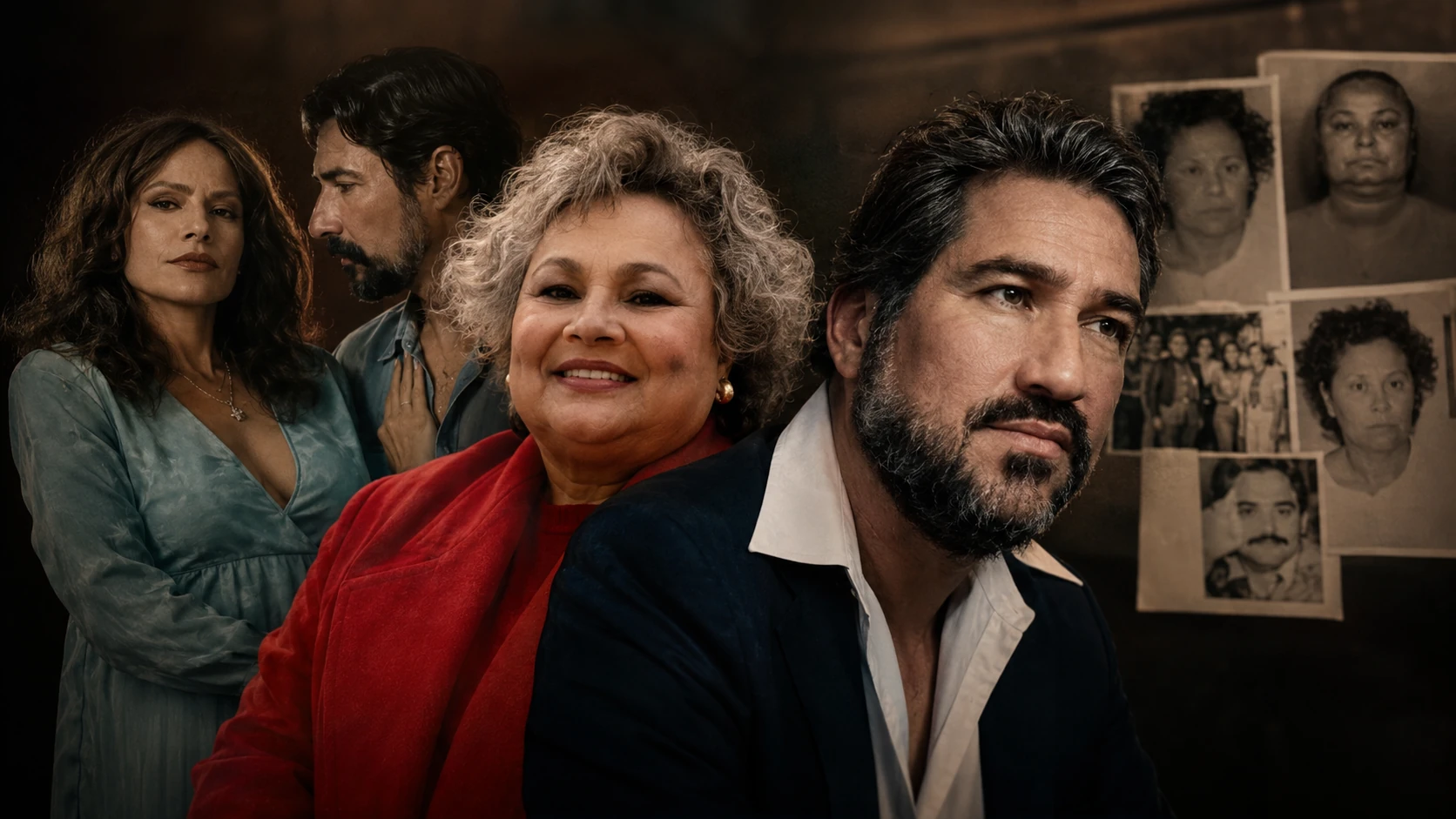
True-crime culture tends to place the most infamous person at the center of every scene. Griselda Blanco’s nicknames, criminal reputation, and dramatic death have made her a subject of documentaries, books, articles, and television drama. People around her, including Darío, are often treated as supporting figures. That approach can make the story easier to tell, but it also reduces real lives to plot points.
Darío’s story asks for a more careful reading. He matters because his death shows the domestic consequences of Blanco’s world. It shows that the violence surrounding her did not stop at business rivals or street enemies. It entered the family, shaped a child’s life, and left a name that people still search decades later.
Money, Work, and Net Worth
There is no credible public estimate of Darío Sepúlveda’s net worth. Any specific figure attached to his name should be treated with suspicion unless supported by reliable records. He was connected to Griselda Blanco, whose criminal operation generated large sums of money, but that does not mean his personal finances can be calculated. Public sources do not provide verified information about his income, assets, or business interests.
Some accounts suggest Darío may have worked in a protective or associate role around Blanco. Even if that is true, it does not create a clear financial record. People in criminal circles often moved money through informal channels, hidden ownership, cash payments, or family arrangements. That makes later net worth claims especially unreliable.
The better answer is that Darío’s financial life remains unknown. He is not remembered because of wealth, property, or business success. His significance comes from his relationship to Blanco, his role as Michael’s father, and the circumstances of his death. Any article claiming a neat dollar amount for him is likely filling a gap rather than reporting a fact.
Darío Sepúlveda in Popular Culture
Darío’s name has gained renewed attention because of modern interest in Griselda Blanco. Streaming dramas and true-crime coverage have introduced Blanco’s story to viewers who were not familiar with the Miami drug wars or Colombian trafficking history. Once viewers learn that Blanco had several husbands and four sons, Darío naturally becomes a point of curiosity. His story sits at the intersection of marriage, murder, and motherhood.
Popular culture often sharpens these stories for dramatic effect. A series may compress timelines, intensify scenes, or simplify relationships so audiences can follow the plot. That does not mean the whole story is false, but it does mean viewers should separate dramatization from documented fact. Darío’s real life was likely more complicated than any brief screen version can show.
The renewed attention has one useful result. It pushes people to ask about the people around Griselda Blanco, not only about Blanco herself. Darío Sepúlveda’s story reminds viewers that every crime saga includes people whose lives were damaged long before the cameras arrived. His name survives because audiences are still trying to understand that damage.
Where Darío Sepúlveda Is Now in the Public Record
Darío Sepúlveda died in 1983, so the question of where he is now is really a question of legacy. He remains present in public memory through Michael Corleone Blanco and through ongoing interest in Griselda Blanco’s life. He is also remembered in articles and discussions about the men connected to Blanco, especially because his death is often cited as evidence of her ruthlessness. That is a harsh way to be remembered, but it is the way his name has remained visible.
There is no large public archive dedicated to Darío. No widely known memoir from him exists, and no major independent biography has reconstructed his full life. His story is usually told in compressed form, often in a few paragraphs within larger accounts of Blanco. That limited treatment leaves many ordinary questions unanswered.
Still, Darío’s place in the record is not meaningless. He represents the people whose stories were swallowed by the fame of a more notorious figure. He also represents the family cost of a criminal life often described through power and profit. In that sense, his biography remains small in documentation but large in moral importance.
Frequently Asked Questions
Who was Darío Sepúlveda?
Darío Sepúlveda was a Colombian man best known as the third husband of Griselda Blanco. He was also the father of Michael Corleone Blanco, Griselda’s youngest son. His public identity is mostly tied to his relationship with Blanco and the violent custody dispute that reportedly led to his death.
Because Darío was not a public figure in the usual sense, many details about his early life and career remain unclear. The most reliable accounts focus on his marriage, his son, and his death in Colombia. Readers should be cautious of articles that claim exact private details without strong support.
Was Darío Sepúlveda married to Griselda Blanco?
Yes, Darío Sepúlveda is widely identified as one of Griselda Blanco’s husbands. He is usually described as her third husband, following Carlos Trujillo and Alberto Bravo. The marriage is most often discussed because it produced Michael Corleone Blanco.
The exact details of their relationship are not fully documented in public records. What is clear is that their connection ended badly and became part of the violent history surrounding the Blanco family. Their story is often retold because it shows the danger inside Blanco’s private world.
Did Darío Sepúlveda and Griselda Blanco have children?
Darío Sepúlveda and Griselda Blanco had one son together, Michael Corleone Blanco. Michael was born in 1978 and became the youngest of Blanco’s four sons. His unusual name came from the fictional Michael Corleone character in The Godfather.
Michael later became a public figure through television appearances and business ventures connected to the Blanco name. His life has kept interest in Darío alive because Darío’s death shaped Michael’s childhood. The father-son connection is the most important reason Darío remains part of the public story.
How did Darío Sepúlveda die?
Darío Sepúlveda was reportedly killed in Colombia in 1983. The common account says he was shot after being stopped by men dressed as police officers. Many retellings say the killing happened after he left Griselda Blanco and took their son Michael with him.
The killing is widely linked to Blanco in public accounts, with the claim that she ordered it because of the custody conflict. Still, it is best to describe that as a widely reported allegation rather than a separate court-proven conviction for Darío’s murder. The broader facts of his violent death and family connection are much better established than every detail of the event.
Why do people search “dario griselda”?
People search “dario griselda” because they want information about Darío Sepúlveda and his connection to Griselda Blanco. Many discover his name through true-crime articles, documentaries, or dramatizations of Blanco’s life. The phrase is a shorthand search rather than a formal name.
Most readers want to know whether Darío was real, whether he married Blanco, whether they had a child, and how he died. The answer is that he was real, he was connected to Blanco as her husband, and he was Michael Corleone Blanco’s father. His death remains one of the most disturbing parts of the Blanco family story.
What was Darío Sepúlveda’s net worth?
There is no reliable public estimate of Darío Sepúlveda’s net worth. He was connected to Griselda Blanco, whose drug trafficking operation generated major illegal income, but that does not establish Darío’s personal finances. No credible public records clearly list his assets, income, or estate.
Any exact net worth figure attached to Darío should be treated carefully. In cases like this, websites often create numbers without evidence because readers search for them. The honest answer is that his financial status is unknown.
Is Darío Sepúlveda shown accurately in Griselda Blanco stories?
Darío Sepúlveda’s broad connection to Griselda Blanco is real, but dramatized versions should not be treated as exact biography. Television and true-crime projects often simplify relationships, compress timelines, and add emotional detail for storytelling. That can help viewers follow a story, but it can also blur the line between fact and interpretation.
The safest approach is to separate the core facts from the dramatic framing. Darío was connected to Blanco, he was Michael’s father, and he died violently after their relationship broke down. The private conversations, motives, and scene-by-scene details are harder to verify.
Conclusion
Darío Sepúlveda’s life is difficult to reconstruct because the public record remembers him mainly through Griselda Blanco. That is the tragedy of his biography. He was a real person, but history has preserved him mostly as a husband, a father, and a victim inside someone else’s notorious story.
What makes Darío matter is not celebrity or power. It is the way his story reveals the personal damage behind the legend of the “Cocaine Godmother.” The reported custody conflict, his violent death, and Michael Corleone Blanco’s childhood all show that Blanco’s world harmed the people closest to it.
A careful account of Darío Sepúlveda does not need to exaggerate what is unknown. The facts that can be told are already heavy enough. His story remains a reminder that crime history is not only made by famous names, but also by the lives those names leave broken behind them.
