

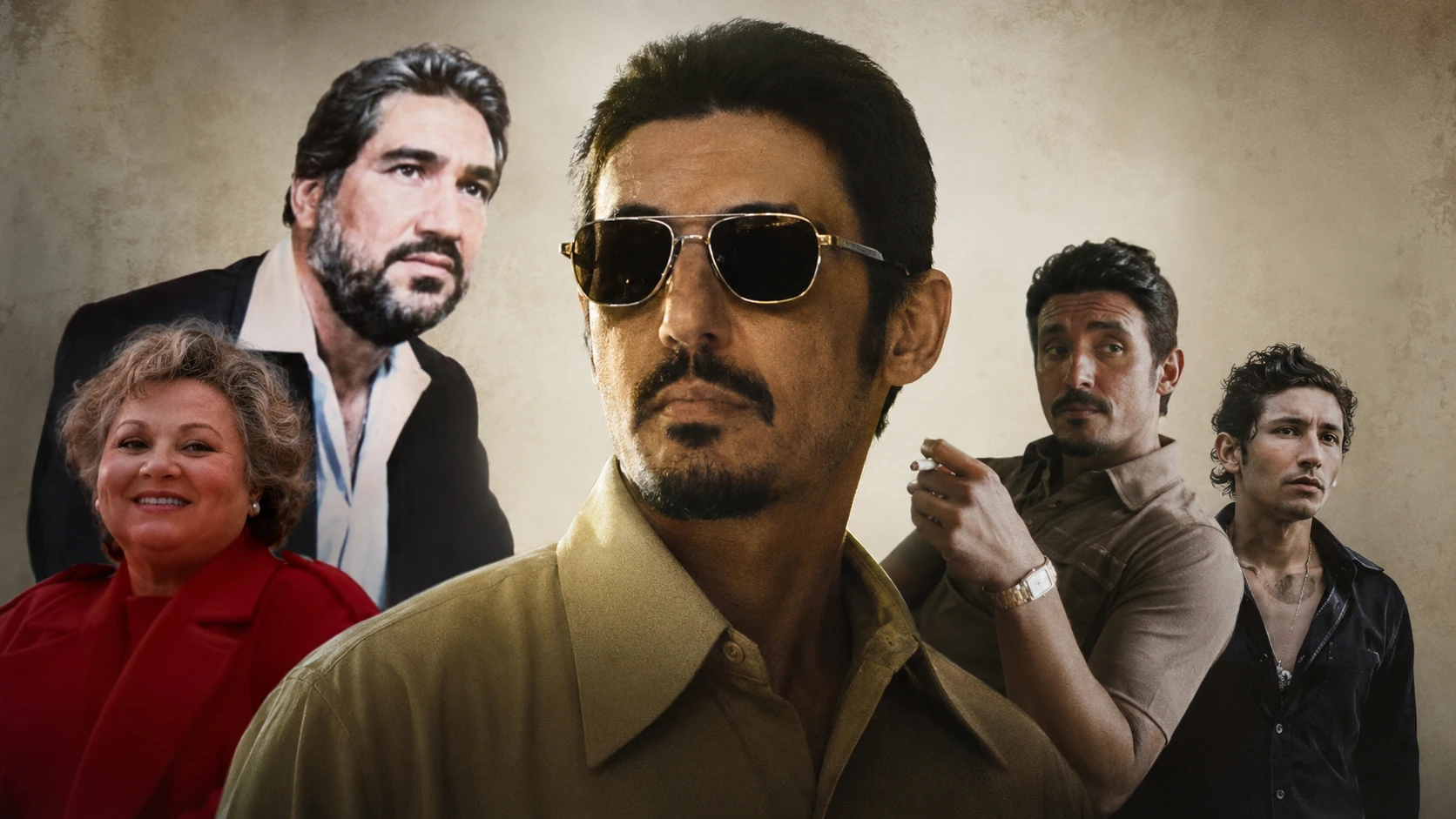
Darío Sepúlveda is remembered less through his own public voice than through the violent orbit of the woman he married. To many viewers, he is “Dario from Griselda,” the intense, guarded husband played by Alberto Guerra in Netflix’s drama about Colombian drug trafficker Griselda Blanco. Behind that screen version was a real man whose life is difficult to separate from crime legend, family tragedy, and the hard limits of what the public record can prove. His story matters because it sits at the most personal edge of Blanco’s history: marriage, fatherhood, custody, fear, and death.
Darío was widely reported as Griselda Blanco’s third husband and the father of her youngest son, Michael Corleone Blanco. He was not a public celebrity, elected official, artist, or business leader whose life left behind a neat trail of interviews, archives, and verified milestones. Most of what is known about him comes through accounts of Blanco, later reporting on Miami’s cocaine era, family references, and dramatized versions of events. That makes him a difficult biography subject, but also a revealing one.
The search term “dario griselda” usually reflects confusion. Readers are often asking whether Dario was real, what happened to him, whether Griselda Blanco had him killed, and how much of Netflix’s version can be trusted. The honest answer is that Darío Sepúlveda was real, his connection to Blanco and Michael is well established in public accounts, and his death in Colombia in 1983 is central to the story. The finer details, especially his private motives and the exact circumstances behind his killing, require careful language.
Early Life and Public Record
Very little reliable information is publicly available about Darío Sepúlveda’s childhood, parents, schooling, or hometown. Unlike Griselda Blanco, whose criminal career brought her into the view of law enforcement and the press, Darío did not leave a broad public biography before his relationship with her. His early life remains mostly absent from mainstream records. That absence should not be filled with guesswork.
Many online summaries describe him as Colombian, and his final years place him between the United States and Colombia. Some accounts call him an assassin or a hitman connected to Blanco’s world, but those labels are often repeated without a clear public paper trail. The Netflix series leans into that version for dramatic purposes, presenting Dario as a man already familiar with violence. A biography has to be more careful than a drama.
What can be said is that Darío entered public memory through his marriage to Blanco. He became part of a household already shaped by drug money, surveillance, enemies, and the constant threat of betrayal. To understand him, readers have to understand the world he married into. That world was not just criminal; it was unstable, paranoid, and often deadly.
Meeting Griselda Blanco
Griselda Blanco was already a powerful and feared figure by the time Darío became part of her life story. Born in Colombia in 1943, she became linked to cocaine trafficking networks that moved drugs into the United States, especially Miami and New York. Her name later became attached to the “Cocaine Godmother” image, a title that mixed law-enforcement fear, tabloid fascination, and pop-culture myth. Darío’s identity in public memory was formed inside that reputation.
Accounts of how Darío and Griselda met vary, and private details are not firmly documented. The Netflix version gives them a charged beginning, with Dario sent to retrieve Griselda before becoming romantically involved with her. That makes strong television, but it should not be treated as a verified transcript of real events. The broad truth is that Darío and Blanco became partners during one of the most dangerous chapters of her life.
Their relationship appears to have combined attraction, usefulness, and danger. Blanco’s world rewarded loyalty but punished weakness, and people close to her were never simply private companions. A husband could be a lover, protector, employee, rival, or liability depending on the moment. Darío’s later fate suggests how quickly those roles could shift.
Marriage to Griselda Blanco
Darío Sepúlveda is widely described as Blanco’s third husband. Before him, Blanco had been married to Carlos Trujillo and Alberto Bravo, both of whom are part of the darker mythology surrounding her private life. Her first three sons, Dixon, Uber, and Osvaldo, came before Michael. Darío entered a family already marked by loss, criminal exposure, and a mother whose power came with great danger.
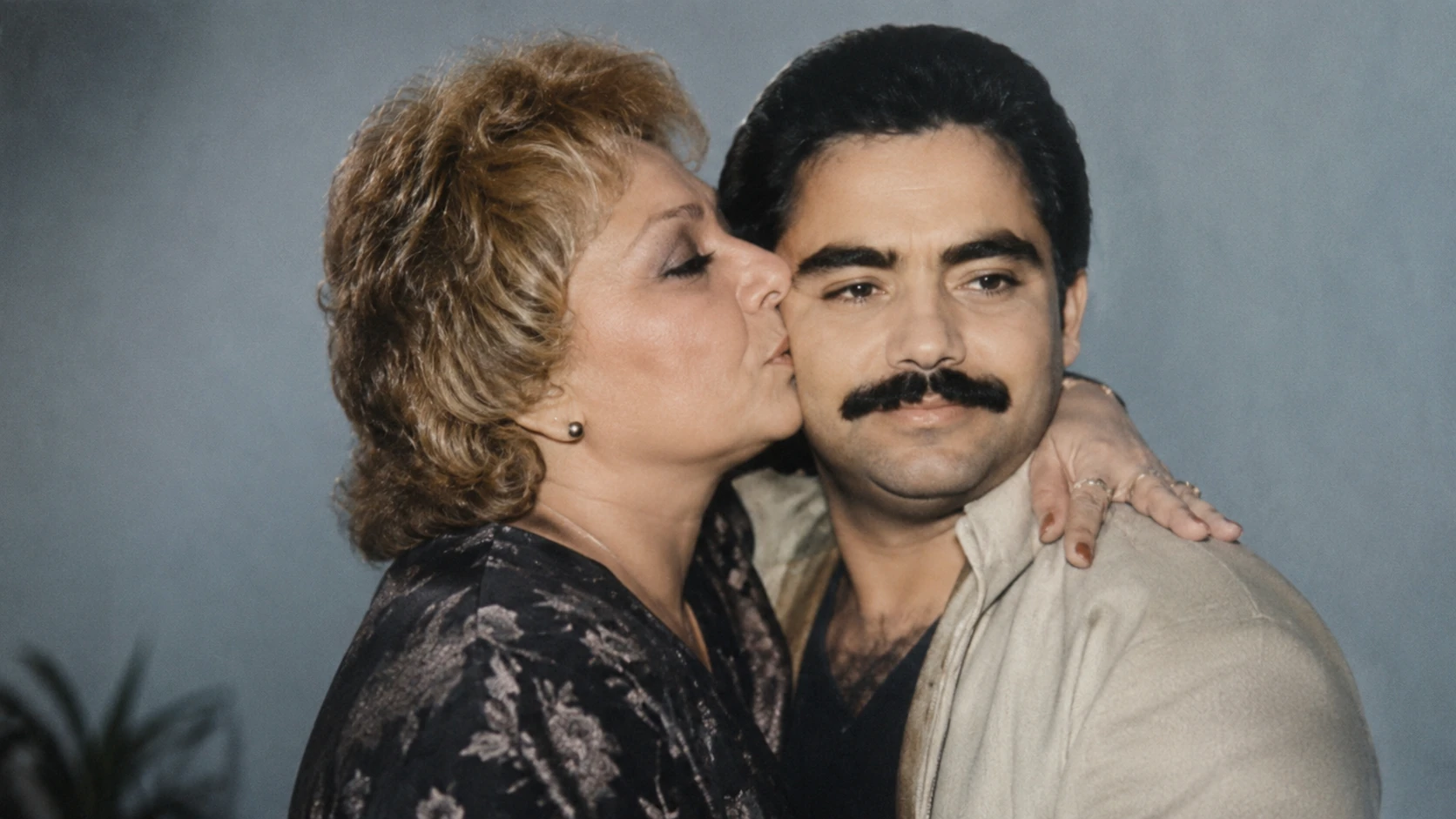
The marriage was not simply a domestic arrangement. Blanco’s home life and criminal life were closely tied, and Darío’s position put him near both. That proximity is one reason later portrayals make him more than a spouse. In stories about Blanco, husbands were rarely just husbands.
There is no reliable public record of a quiet, conventional marriage between Darío and Griselda. The relationship is usually presented through conflict, separation, and the fate of their son. Still, it is worth remembering that they were also parents together. Their most lasting connection was not the marriage itself, but Michael Corleone Blanco, whose life carried the family story into a new generation.
Fatherhood and Michael Corleone Blanco
Darío’s son with Griselda was named Michael Corleone Blanco, a name taken from The Godfather. That choice tells readers something about the family’s self-image and the era’s fascination with mafia power. It also placed a child inside a story already loaded with symbolism. Michael would later become the most publicly visible surviving member of Blanco’s immediate family.
Fatherhood is the part of Darío’s biography that gives the story its emotional weight. He is not remembered only as Blanco’s husband or a man killed in Colombia. He is remembered as the father whose reported custody fight with Blanco preceded his death. That detail turns a crime story into a family tragedy.
Public accounts say Darío and Griselda separated, and that Darío took Michael to Colombia. The motive is often framed as a custody dispute, with Darío trying to remove the child from Blanco’s control or from the danger around her. Because Darío did not live to tell his version publicly, his reasons remain filtered through others. What remains clear is that Michael stood at the center of the rupture.
The Break with Blanco
By 1983, Darío and Griselda’s relationship had reportedly broken down. The accounts most often repeated say he left her and returned to Colombia with Michael. In an ordinary divorce or separation, that would have been painful but not necessarily fatal. In Blanco’s world, it became something else.
The separation challenged more than a marriage. It touched Blanco’s authority, motherhood, and control over her family. For someone whose reputation depended on fear and command, losing control of her youngest child would have carried meaning far beyond private heartbreak. That is why the story has been repeated for decades.
The exact sequence of events remains difficult to verify in detail. Some summaries describe Darío as fleeing with the child. Others frame the move as part of a custody fight after the relationship collapsed. The safest account is that Darío returned to Colombia with Michael after separating from Blanco, and that his death followed soon after.
Darío Sepúlveda’s Death
Darío Sepúlveda was killed in Colombia in 1983. Most accounts place his death in Medellín or connect it to Colombia after his return with Michael. The commonly repeated version says he was assassinated after taking Michael away from Blanco. The allegation that Blanco ordered the killing has become one of the central claims behind her “Black Widow” reputation.
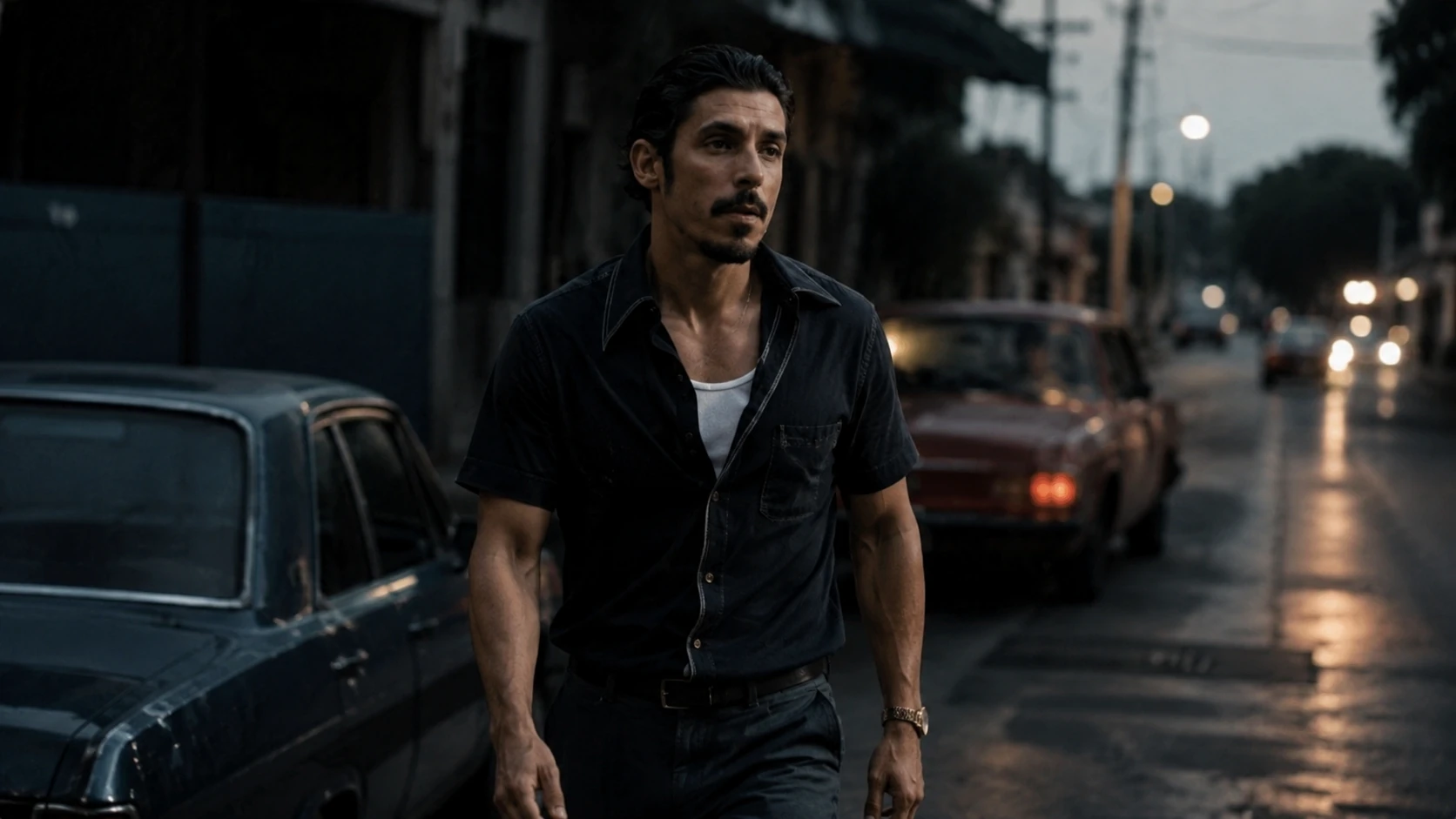
That allegation is widely known, but it should be handled with care. Blanco was accused of ordering many murders, and her reputation for violence was not built from nothing. Even so, a responsible biography does not present every repeated claim as if it were proven in a modern court record. The public story is strong enough to report as a long-standing allegation, but not every detail is equally documented.
After Darío’s death, Michael was reportedly returned to his mother. That outcome is one of the most chilling parts of the story because it gives the killing a clear domestic consequence. Darío’s death was not only the end of a marriage. It also changed the course of his son’s childhood.
The “Black Widow” Shadow
Griselda Blanco’s nickname “Black Widow” came partly from the violent deaths associated with men close to her. Darío’s killing is one of the main reasons the label has endured. Stories about Blanco’s husbands tend to blur biography, accusation, and legend. The result is a public image that can be memorable but also flattening.
For Darío, that means his identity is often reduced to being one of Blanco’s dead husbands. That framing may be efficient, but it is not enough. He was a father, a man with his own history, and someone whose final known act in public memory involved his child. A serious profile has to resist turning him into a footnote.
The “Black Widow” label also reveals how crime stories are packaged. It makes Blanco sound like a character from noir fiction, which is part of why producers and audiences keep returning to her life. But real people died around that legend. Darío was one of them.
Dario in Netflix’s Griselda
Netflix’s Griselda introduced Darío to a much wider audience. Played by Alberto Guerra, Dario appears as a dangerous, controlled man who becomes emotionally and practically tied to Griselda. The series gives him a strong visual presence and a clear dramatic purpose. He becomes one of the few characters close enough to confront Blanco inside her home rather than only in the drug trade.
The show is inspired by real events, not a documentary record. It compresses time, shapes relationships, and creates private scenes no outsider could verify. That is normal for scripted biography, especially in crime drama. The risk is that viewers may walk away believing every exchange happened exactly as shown.
Guerra’s performance helped drive search interest in “dario griselda.” He plays Dario with quiet tension rather than loud menace, which makes the character feel human even when he is surrounded by violence. The performance gives viewers a face for a man whose real public record is thin. It also makes the gap between drama and biography more important.
What the Series Gets Right and What It Cannot Prove
The series gets the broad outline right: Dario was based on a real man linked to Griselda Blanco by marriage and by their son, Michael. It also reflects the reported conflict that followed the end of the relationship. His death in Colombia is not an invention. These are the main historical anchors.
What the series cannot prove are the private conversations, emotional beats, and exact motives it assigns to him. A drama must make choices, and those choices can feel persuasive because actors make them vivid. But vivid is not the same as verified. The real Darío remains less knowable than the character.
That difference does not make the show worthless. It can introduce viewers to a real chapter of history and encourage them to ask better questions. The problem begins only when entertainment becomes the only source. Darío’s life deserves a more careful reading than that.
Career, Money, and Public Standing
There is no credible, detailed public record of Darío Sepúlveda’s legitimate career, business interests, income, or net worth. Some accounts connect him to criminal work, and the Netflix series presents him as a man operating inside violent networks. Those claims fit the world around Blanco, but they are not the same as a verified financial biography. Any exact net worth figure attached to him should be treated as speculation.
Unlike Blanco, Darío did not become publicly known for running a trafficking operation under his own name. He was not remembered as a cartel founder or famous boss in the way later audiences understand figures from the Medellín and Cali eras. His public identity came through proximity to Blanco. That proximity may have carried money, danger, and status, but the details are not firmly documented.
The absence of financial records is itself meaningful. Many people in criminal circles leave behind rumors rather than balance sheets. Assets can be hidden, names can be borrowed, and cash economies rarely produce clean public accounting. For Darío, the honest answer is that his income sources and net worth cannot be verified from reliable public information.
Family After Darío
After Darío’s death, Michael Corleone Blanco remained the central surviving link between him and Griselda. Michael later became publicly known through interviews, business ventures, and reality television appearances tied to his family history. He has spoken publicly about growing up under the weight of his mother’s name. His life shows how a child can inherit a story he did not choose.
Griselda’s older sons also met violent ends, according to widely reported family accounts. Dixon, Uber, and Osvaldo were all killed, leaving Michael as the best-known surviving son. That family history reinforces how little separation existed between Blanco’s criminal world and her private life. Darío’s death was part of a wider pattern of loss.
For Michael, Darío is not merely a character from a streaming drama. He was his father, even if public memory often reaches him through Blanco. That distinction matters because true-crime storytelling can make family pain feel like public property. A respectful biography keeps the human cost in view.
Public Image and Cultural Memory
Darío’s public image has changed sharply since the release of Griselda. Before the series, he was mostly known to readers already familiar with Blanco’s biography. After the show, his name became part of a new wave of searches about the real people behind the characters. The phrase “dario griselda” reflects that modern path to memory.
Cultural memory often works this way. A person with a thin public record can become widely discussed once an actor gives them shape. Viewers then search for facts and find a mixture of verified history, quick summaries, recycled claims, and fan commentary. Darío’s story is especially vulnerable to that confusion because the real record has many gaps.
The renewed interest is not only about curiosity. It also speaks to the appeal of crime stories that move beyond the kingpin figure. People want to understand the spouses, children, drivers, messengers, and victims who lived near power. Darío represents that circle around Blanco, where intimacy could be as dangerous as rivalry.
Where Dario Griselda Is Now
The real Darío Sepúlveda is not alive. He died in Colombia in 1983, decades before Netflix made his name familiar to a new audience. Because of that, “where is Dario now” is really a question about memory. His story survives through his son, through Blanco’s biography, and through dramatized portrayals.
The screen version continues to live through Alberto Guerra’s performance. That version is polished, selective, and shaped for television. It is likely to remain the dominant image for many viewers because there are few photographs, interviews, or primary materials widely available to balance it. This is how pop culture can become the main archive for people who left little public record.
The real man remains harder to reach. We know his connection to Blanco, his role as Michael’s father, and the reported circumstances around his death. We do not know enough to write a full private portrait with certainty. That limitation should be stated clearly rather than hidden behind dramatic confidence.
Frequently Asked Questions
Who was Dario in Griselda?
Dario in Netflix’s Griselda is based on Darío Sepúlveda, the real-life husband of Griselda Blanco and father of Michael Corleone Blanco. In the series, he is played by Alberto Guerra and shown as a dangerous man who becomes romantically involved with Griselda. The character draws from real events but is shaped for drama.
Was Darío Sepúlveda a real person?
Yes, Darío Sepúlveda was a real person. He is widely identified in accounts of Griselda Blanco’s life as her third husband and the father of her youngest son. The challenge is that his personal background is not well documented in public sources outside his connection to Blanco.
What happened to Dario from Griselda?
Darío Sepúlveda was killed in Colombia in 1983. The most common account says he had separated from Blanco and taken their son Michael to Colombia before his death. Many retellings allege that Blanco ordered the killing, though the exact details should be treated carefully.
Did Griselda Blanco have Dario killed?
The allegation that Griselda Blanco had Darío Sepúlveda killed is widely repeated. It is tied to her reputation for violence and to the reported custody dispute over their son. Still, careful accounts should describe her role as alleged unless relying on a specific legal finding or verified record.
Who played Dario in Netflix’s Griselda?
Dario was played by Alberto Guerra. His performance gave the character a quiet intensity and helped make Dario one of the most searched figures from the series. Guerra’s version is a dramatized portrayal, not a complete biography of Darío Sepúlveda.
Did Darío Sepúlveda have children?
Darío Sepúlveda had one widely known child with Griselda Blanco: Michael Corleone Blanco. Michael later became publicly known through media appearances and business ventures connected to his family history. His life remains the clearest public link to Darío today.
What was Darío Sepúlveda’s net worth?
There is no credible verified net worth for Darío Sepúlveda. Any exact figure online should be treated as an estimate at best and likely speculation. His finances, work, and assets were never documented in the way public business figures or entertainers usually are.
Conclusion
Darío Sepúlveda’s biography is not a story with every chapter preserved. It is a life seen through the glare of someone else’s notoriety, through the pain of a family dispute, and through a killing that became part of a larger crime legend. That makes him both difficult to write about and hard to ignore. His name endures because it marks the place where Griselda Blanco’s public violence crossed into her closest private relationships.
The Netflix version gave Dario a voice, a face, and a dramatic arc. That portrayal helped viewers care, but it also made certainty feel easier than it really is. The real Darío remains partly hidden behind limited records and repeated accounts. A truthful biography has to leave room for what is unknown.
What can be said is still powerful. Darío was Griselda Blanco’s husband, Michael Corleone Blanco’s father, and a man whose death became one of the defining allegations attached to Blanco’s “Black Widow” image. His story reminds readers that behind every famous crime figure are people whose lives were changed, shortened, or overshadowed by proximity.
In the end, “dario griselda” is more than a search phrase created by a television series. It is a doorway into a real family tragedy inside one of the most violent chapters of the cocaine era. The responsible way to remember Darío Sepúlveda is neither as a myth nor as a mere character, but as a real person whose story deserves care even when the record is incomplete.
