

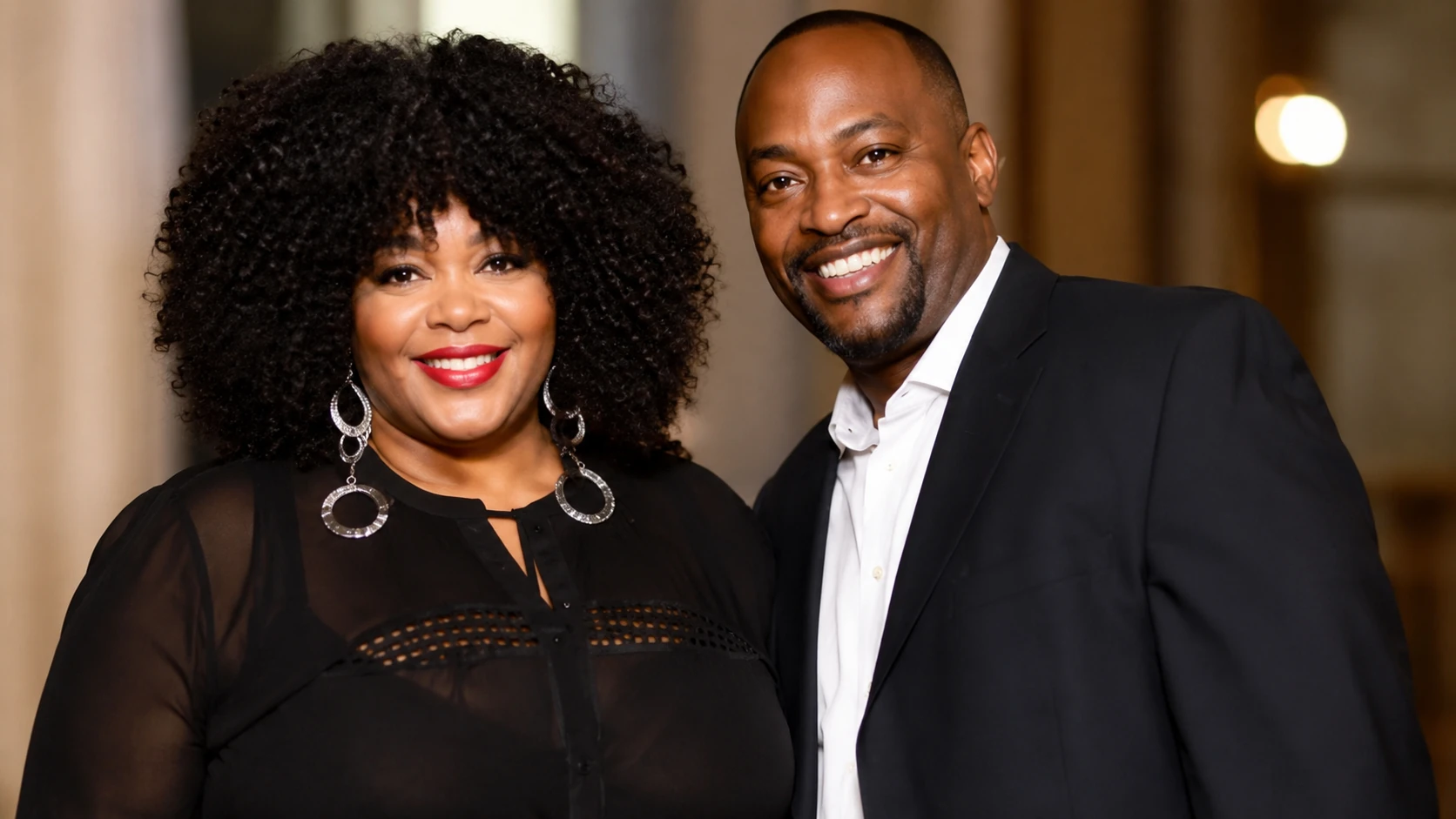
For millions of music fans, the name Lyzel Williams first appeared not in a headline or television interview, but in the title of a Jill Scott song. “He Loves Me (Lyzel in E Flat)” became one of the defining neo-soul recordings of the early 2000s, and with it came lasting curiosity about the man who inspired it. Yet unlike many people connected to celebrity culture, Williams never tried to turn public attention into fame. He remained largely private even as his name became permanently tied to one of modern R&B’s most recognizable love songs.
That contrast is what keeps interest in Lyzel Williams alive years later. He is known widely, but understood only partially. Public records, interviews, and music history place him close to one of the most important soul artists of her generation, but they also show a man who preferred creative work and ordinary life over celebrity visibility. His story is not built around scandal or publicity. Instead, it sits at the intersection of art, marriage, privacy, and cultural memory.
While many online biographies reduce him to “Jill Scott’s ex-husband,” the reality is more layered than that. Williams worked in creative and digital media long before internet fame culture became common. He was part of the Philadelphia artistic environment that helped shape Jill Scott’s early years, and he occupied an unusual position in popular culture: a private person preserved forever inside public art.
Early Life and Family Background
Much of Lyzel Williams’s early life has remained outside the public record, largely because he never pursued celebrity status in his own right. Public biographies and entertainment profiles commonly identify him as an American creative professional with roots connected to the Philadelphia and New Jersey area. Beyond that, reliable details about his childhood, parents, or early family life are limited.
That lack of public information has often led entertainment websites to recycle unverified claims about his upbringing. Some sites list birth years, schools, and family details without citing interviews or public documents. The truth is that Williams has never spoken publicly in depth about his early years, and there are few primary-source interviews available to confirm those details.
What does appear consistent across profiles is that he developed an interest in art, music culture, and creative design at a relatively young age. Friends and collaborators connected to the Philadelphia creative scene have described the broader environment surrounding Williams and Scott during the 1990s as one filled with spoken word artists, musicians, DJs, designers, and community-driven performance spaces. That cultural atmosphere shaped many artists who emerged during the neo-soul era.
Philadelphia itself mattered deeply during that period. The city became one of the most influential centers for neo-soul music in the late 1990s and early 2000s, producing or supporting artists such as Jill Scott, Musiq Soulchild, The Roots, and Erykah Badu collaborators. Williams existed close to that movement, even if he was not one of its public stars.
Education and Creative Interests
Publicly available information about Williams’s formal education is sparse, though multiple entertainment biographies describe him as someone involved in graphic design and digital creative work. That background suggests technical training or practical experience in visual communication, media design, or related creative fields.
Not many people know this, but graphic design and interactive media were changing rapidly during the years Williams entered the workforce. The late 1990s and early 2000s saw major growth in web development, digital branding, and interactive corporate media. Creative professionals who could combine design instincts with technical knowledge became increasingly valuable across advertising, telecommunications, and entertainment industries.
Williams reportedly worked in graphic and digital design long before social media turned creative work into personal branding. That distinction matters because his career appears to have developed through professional creative environments rather than celebrity exposure. He built a reputation inside design and media spaces instead of public entertainment culture.
Some public professional listings have linked Williams to Comcast Interactive Media, suggesting experience within corporate digital production. While full employment records are private, the connection supports long-standing descriptions of him as a web and graphic design specialist. The available evidence paints the picture of someone comfortable behind the scenes, contributing creatively without needing public recognition.
Meeting Jill Scott
The story of Lyzel Williams became permanently connected to Jill Scott during the years before her rise to mainstream fame. Scott was building her reputation in Philadelphia’s poetry and music scene during the 1990s, performing spoken word pieces and collaborating with musicians who would later become central figures in neo-soul.
Williams and Scott reportedly dated for several years before marrying. Their relationship developed during a period when Scott was still finding her artistic voice and trying to establish herself professionally. That timeline is important because it means Williams knew Scott before international fame transformed her public life.
Scott’s early interviews often reflected her belief in emotionally grounded relationships, partnership, and creative support systems. Those themes appeared repeatedly in her music, especially on her debut album, where love was treated not as fantasy but as daily experience. Listeners connected with that honesty immediately.
The truth is, many fans became emotionally invested in Williams without ever hearing him speak. Scott’s songwriting created such vivid emotional detail that listeners felt they understood the relationship personally. Songs inspired by Williams became part of how audiences experienced Scott herself.
Marriage and Life Together
Lyzel Williams and Jill Scott married in 2001 in what has often been described as a private Hawaiian ceremony. By that point, Scott’s career had already begun accelerating after the release of her acclaimed debut album, “Who Is Jill Scott?: Words and Sounds Vol. 1,” in 2000.
The marriage unfolded during the most important early stretch of Scott’s career. As her fame grew, the relationship became part of her artistic identity because so much of her early music centered on intimacy, trust, vulnerability, and romantic devotion. Williams was not simply adjacent to the work; he was embedded in the emotional language of it.
“He Loves Me (Lyzel in E Flat)” became the clearest example of that connection. The song turned Williams’s name into part of music history. Scott’s performance captured emotional openness in a way that resonated deeply with listeners, especially Black women who rarely heard love songs framed with such warmth and realism in mainstream R&B at the time.
What’s surprising is how little Williams appeared publicly even during those years. Many celebrity spouses eventually move into interviews, television appearances, or public branding. Williams largely stayed away from that path. He remained connected to creative work while Scott occupied the spotlight.
The Meaning Behind “He Loves Me (Lyzel in E Flat)”
Few songs have attached a private individual’s name to public memory the way “He Loves Me (Lyzel in E Flat)” did for Williams. Released on Scott’s debut album, the track quickly became one of her signature performances and a cornerstone of the neo-soul movement.
The song’s emotional impact came from its specificity. Scott described affection through physical presence, emotional safety, intelligence, humor, and tenderness rather than fantasy clichés. Listeners believed the song because it sounded lived-in. Williams became known not through self-promotion but through the emotional authenticity of Scott’s writing.
Live performances pushed the song into another category entirely. Scott often stretched the track into extended vocal showcases that demonstrated her extraordinary range and improvisational ability. Audiences responded intensely, and the song became one of the most celebrated moments of her concerts.
That public association followed Williams permanently. Even people unfamiliar with his background recognized the phrase “Lyzel in E Flat.” In a strange way, he became culturally famous through emotion rather than visibility.
Career in Design and Digital Media
Outside his marriage to Scott, Williams appears to have maintained a steady career in creative design and digital media work. Public references commonly describe him as a graphic artist, web designer, or creative specialist. Though detailed public records remain limited, available professional listings support the broader understanding that he worked within digital and visual communication fields.
This part of his life often receives less attention than his marriage, but it provides important context. Williams belonged to a generation of creative professionals who entered digital media during its early expansion years. Design work at that time required a blend of artistic judgment and technical skill, especially as corporations shifted toward online platforms and interactive branding.
Unlike celebrity-driven creative figures, Williams’s professional identity appears grounded in regular industry work rather than public-facing fame. That distinction helps explain why reliable information about him is relatively limited. People working behind the scenes in corporate media rarely leave large public archives unless they actively seek visibility.
Some entertainment profiles describe him as having worked as a DJ before moving more fully into design-related fields. That combination would not have been unusual in Philadelphia’s creative scene during the 1990s, where music culture, nightlife, spoken word, and visual arts often overlapped.
Divorce and Public Attention
Williams and Scott divorced in 2007 after roughly six years of marriage. News coverage at the time focused largely on Scott’s reflections about love, disappointment, and emotional growth during the making of her later music.
Scott herself addressed the emotional complexity of that period in interviews. She spoke candidly about hearing optimism and affirmation inside songs that had been written while her marriage was struggling. Those comments gave fans insight into how personal experience shaped her songwriting process.
The divorce attracted media attention partly because Scott’s music had celebrated the relationship so openly. Audiences who viewed “He Loves Me” as a near-perfect love song struggled to reconcile that image with the reality of separation. But here’s the thing. Relationships ending does not erase the sincerity that existed when those songs were written.
Williams did not publicly narrate the breakup in the way celebrity culture often expects. There were no highly publicized interviews, memoirs, or media campaigns attached to the divorce. That silence reinforced the sense that he preferred privacy even when public curiosity intensified.
Public Image and Media Curiosity
Over time, Williams developed an unusual kind of public image: recognizable but mysterious. Search interest around him has remained steady for years because people continue discovering Jill Scott’s music and wondering about the man behind one of her best-known songs.
Entertainment blogs and celebrity biography websites often attempt to fill gaps in public knowledge with speculative details about his finances, relationships, or personal routines. Many of those claims rely on weak sourcing or circular reporting, where one website repeats another without verification.
The truth is that Williams’s privacy has become part of his identity. He has not used social media heavily for public branding, nor has he turned his connection to Scott into an entertainment career. In modern celebrity culture, that restraint stands out.
Readers searching for definitive answers about his current personal life may find conflicting information online. Some sites claim he remarried, while others state he remained single. There is little reliable public evidence confirming either version conclusively. Responsible reporting requires acknowledging those limits rather than presenting speculation as fact.
Estimated Net Worth and Financial Standing
Public estimates of Lyzel Williams’s net worth vary widely, and few are backed by verifiable financial records. Most celebrity net worth websites place estimates somewhere between several hundred thousand dollars and around one million dollars, though these numbers should be treated carefully.
Unlike actors, musicians, or athletes, Williams’s professional earnings were not tied to highly public contracts or entertainment disclosures. His work in design and digital media likely provided stable professional income, but exact figures are not publicly available.
That said, his long career in creative and corporate media work suggests financial stability rather than celebrity-style wealth. The online tendency to exaggerate the fortunes of celebrity-adjacent individuals often creates unrealistic impressions. Williams appears to have lived more like a working creative professional than a tabloid public figure.
What matters more than the estimates is the pattern. Williams consistently avoided monetizing fame through interviews, reality television, or public controversy. That choice likely limited celebrity-style earnings but preserved his privacy.
Relationship With Jill Scott After Divorce
There is little public information about the ongoing relationship between Williams and Scott after their divorce. Scott moved forward publicly with other relationships and eventually became a mother to her son, Jett Hamilton Roberts, through her later relationship with drummer Lil’ John Roberts.
Williams, meanwhile, largely disappeared from entertainment coverage after the divorce. That absence sometimes fuels online speculation, but it may simply reflect a deliberate choice to return fully to private life.
Scott has generally avoided turning the divorce into tabloid material. Even when discussing heartbreak or emotional growth in interviews, she has tended to frame relationships with maturity rather than public hostility. That tone likely contributed to why the split never evolved into prolonged celebrity drama.
Their relationship remains culturally significant because of the music attached to it. Fans still revisit Scott’s early catalog through the emotional lens of that marriage, even though both individuals moved on years ago.
Why Lyzel Williams Still Matters
Lyzel Williams remains culturally relevant because art preserves people in unusual ways. Most private individuals disappear from public memory unless they actively pursue fame. Williams became part of music history because Jill Scott wrote honestly and specifically about love.
Neo-soul as a movement valued emotional realism, community roots, and artistic intimacy. Scott’s early albums captured those qualities exceptionally well, and Williams occupied an important place inside that emotional world. His role in that story may have been private, but it became artistically permanent.
There is also a broader cultural reason people still search for him. “He Loves Me” represented a kind of romantic tenderness that many listeners felt was missing from mainstream music at the time. Williams became attached to an emotional ideal that audiences continued to revisit long after the marriage ended.
That legacy can be strange for a private person. Public memory froze one period of his life into song while the rest of his story unfolded mostly away from cameras and headlines.
Where Lyzel Williams Is Now
Reliable recent public information about Lyzel Williams remains limited. Professional listings continue to connect him with design and digital media work, and reports have linked him to the New Jersey area in recent years.
There is no clear evidence that he returned to entertainment publicity or attempted to build a celebrity identity after his divorce from Scott. Instead, available information suggests he maintained a quieter professional and personal life.
Not many people know this, but disappearing from public conversation is often difficult once someone becomes attached to celebrity culture. Search engines, fan curiosity, and recycled media stories can keep old narratives alive for decades. Williams appears to have resisted that cycle more successfully than many celebrity-adjacent figures.
His absence from headlines may actually explain why curiosity about him persists. In a media world built around constant visibility, privacy itself can become fascinating.
Frequently Asked Questions
Who is Lyzel Williams?
Lyzel Williams is an American graphic designer and creative professional best known as the former husband of singer and actress Jill Scott. He became widely recognized after Scott released the song “He Loves Me (Lyzel in E Flat),” which referenced him directly.
Was Lyzel Williams married to Jill Scott?
Yes, Lyzel Williams and Jill Scott were married in 2001 after dating for several years. Their marriage lasted until 2007, during the period when Scott released some of her most influential music.
What does Lyzel Williams do for a living?
Williams has been described publicly as a graphic designer, web designer, digital creative specialist, and former DJ. Public professional listings have connected him to digital media and corporate creative work, including positions associated with Comcast Interactive Media.
Is “He Loves Me (Lyzel in E Flat)” really about him?
Yes, the song was written by Jill Scott and clearly references Lyzel Williams in its title. It became one of Scott’s signature songs and remains closely associated with their relationship.
Does Lyzel Williams have children?
There is no widely confirmed public information indicating that Lyzel Williams has children. Some online reports make claims about his personal life, but many lack strong sourcing.
What is Lyzel Williams’s net worth?
Public estimates of his net worth vary, and there are no verified financial disclosures available. Most estimates online should be viewed cautiously because they are based largely on speculation rather than documented earnings.
Where is Lyzel Williams now?
Williams appears to live a private life away from entertainment publicity. Public information suggests he continued working in creative and digital media fields after his divorce from Jill Scott.
Conclusion
Lyzel Williams occupies an unusual place in modern pop culture. He is remembered widely, yet remains personally distant from the celebrity machinery that created public curiosity about him. His story exists mostly through music, memory, and the emotional honesty of Jill Scott’s early work.
For many listeners, Williams represents a specific era of neo-soul when intimacy and storytelling carried unusual emotional depth. “He Loves Me (Lyzel in E Flat)” gave him a kind of cultural permanence that few private individuals ever experience. Even decades later, audiences continue searching for the man behind the song.
At the same time, his life also highlights the limits of public knowledge. Much of what circulates online about him blends verified information with speculation. The more responsible picture is quieter and more human: a creative professional who became linked forever to a major artist’s most personal work.
That may ultimately explain why people still care about Lyzel Williams. He reminds audiences that behind many famous songs are real relationships, ordinary lives, and private people who never expected to become part of cultural history.
