

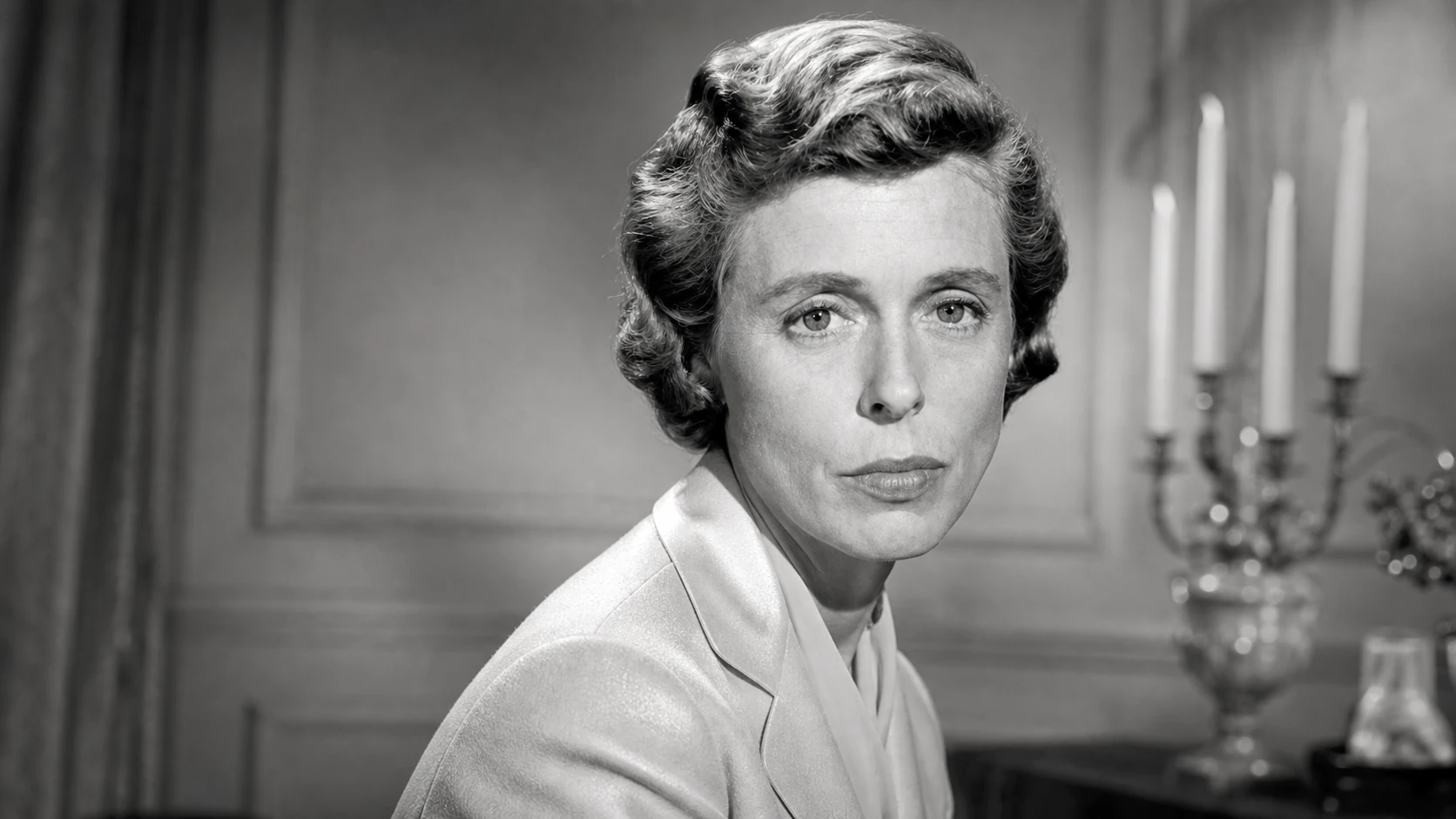
Nancy Kulp became one of television’s most recognizable character actresses through her performance as Jane Hathaway on The Beverly Hillbillies. For nine seasons, she played the loyal, highly educated secretary to banker Milburn Drysdale, bringing intelligence, restraint, and dry humor to a sitcom built around broad cultural contrasts.
Her career extended far beyond that role. Kulp worked in journalism, served in the United States Naval Reserve during World War II, handled publicity at a Hollywood studio, appeared in major films, performed on Broadway, taught acting, and ran for Congress. She died on February 3, 1991, at age 69, leaving behind a body of work that remains familiar through reruns and classic television collections.
Interest in Nancy Kulp’s net worth continues because of the lasting success of The Beverly Hillbillies. Yet her final wealth was never publicly confirmed. Although online estimates often place her net worth between $1 million and $2 million at the time of her death, no dependable estate record, salary contract, probate filing, or financial disclosure has been made public to verify those figures.
Early Life and Family
Nancy Jane Kulp was born on August 28, 1921, in Harrisburg, Pennsylvania. She was the daughter of Robert Tilden Kulp and Marjorie Snyder Kulp. Her father worked as a traveling salesman, while her mother later became a schoolteacher and principal.
Kulp spent part of her childhood in Pennsylvania before her family moved to Florida. She grew up during a period when professional opportunities for women were still restricted, but her education and later military service placed her on an unusually independent path.
Details about siblings and her wider family life have not been widely documented. Kulp generally kept her relatives outside the entertainment spotlight, and most public accounts focus on her education, service record, acting career, and political interests.
Education and Military Service
Kulp attended Florida State College for Women, now known as Florida State University. She studied journalism and graduated in 1943. Her early interest in writing and communications shaped her first professional work before acting became her main career.
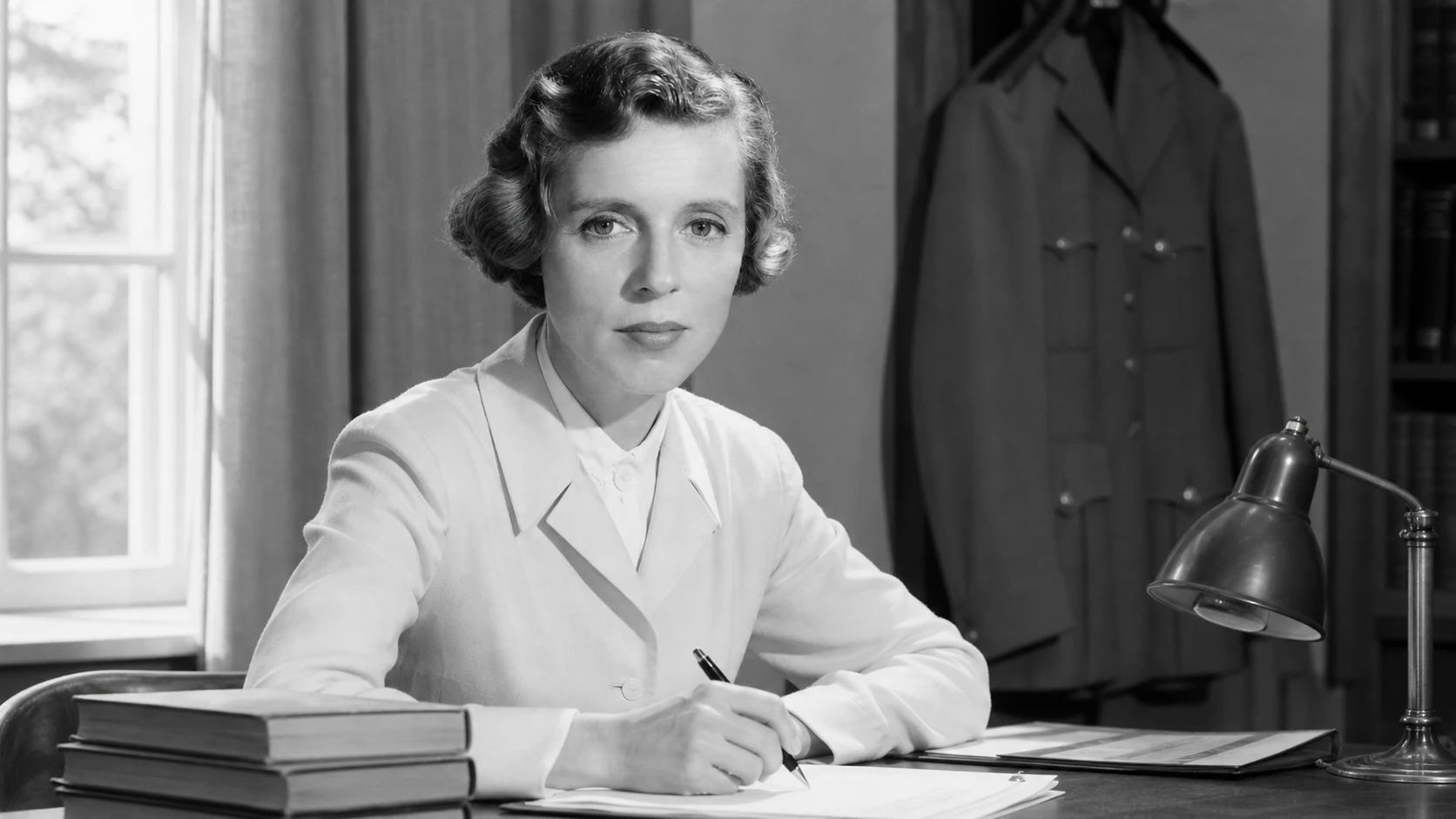
After college, she worked as a feature writer for the Miami Beach Tropics. Her journalism career was interrupted by World War II, when she joined the United States Naval Reserve. She served in the Women Accepted for Volunteer Emergency Service program, commonly known as WAVES.
Kulp reached the rank of lieutenant junior grade before leaving military service. Her wartime experience became one of the less discussed but important parts of her biography. Long before she became known for playing a precise and disciplined television secretary, she had already worked in demanding professional settings outside Hollywood.
She later pursued graduate studies at the University of Miami, although acting eventually redirected her career. Her education remained visible in the thoughtful, articulate public image she carried throughout her life.
From Studio Publicity to Acting
Kulp moved to Hollywood after working in journalism and communications. She joined the publicity department at Metro-Goldwyn-Mayer, placing her behind the scenes at one of the most influential film studios of the era.
Her shift into acting came after director George Cukor reportedly encouraged her to try performing. Kulp did not fit the conventional image of a glamorous Hollywood leading woman, but she possessed qualities that proved valuable in character roles: clear diction, comic timing, expressive reactions, and the ability to make highly formal characters amusing without turning them into caricatures.
She made her credited film debut in The Model and the Marriage Broker, released in 1951. From there, she developed a steady career in supporting parts, often playing secretaries, clerks, neighbors, teachers, or women whose serious manner contrasted with the chaos around them.
Kulp appeared in several significant films during the 1950s and early 1960s. Her credits included Shane, Sabrina, A Star Is Born, The Three Faces of Eve, and Disney’s The Parent Trap. These were usually small or supporting roles, but they established her as a reliable performer who could fit easily into drama, comedy, and family films.
She also appeared on television before her most famous role. Kulp had a recurring part as Pamela Livingstone on The Bob Cummings Show, also known as Love That Bob. The series gave her greater exposure and helped demonstrate her skill with television comedy.
The Beverly Hillbillies Breakthrough
Kulp’s career changed in 1962 when she was cast as Jane Hathaway on The Beverly Hillbillies. The CBS sitcom followed the Clampett family, who moved from the rural Ozarks to Beverly Hills after discovering oil on their land. Much of the humor came from the contrast between the family’s simple values and the status-conscious world around them.
Jane Hathaway worked as the secretary to banker Milburn Drysdale, played by Raymond Bailey. Drysdale was obsessed with keeping the Clampetts’ enormous fortune in his bank, while Miss Hathaway often served as the more patient and practical figure. She respected the family more than her employer did and regularly tried to manage the confusion created by both sides.
Kulp gave the character a formal speaking style, controlled physical comedy, and a sense of personal dignity. Miss Hathaway could be stern, awkward, romantic, or quietly exasperated, but Kulp rarely pushed the performance too far. That balance made her one of the show’s most dependable comic figures.
The Beverly Hillbillies became a major ratings success and ran for nine seasons from 1962 to 1971. Kulp appeared throughout the series and became closely identified with Miss Hathaway. Her work earned her an Emmy nomination in 1967 for supporting actress in a comedy series.
The role gave Kulp long-term employment that few actors achieve. It also created a complicated legacy. While Miss Hathaway made her famous, the strength of the association made it difficult for audiences and casting directors to see her as anyone else.
Career After The Beverly Hillbillies
Kulp continued acting after The Beverly Hillbillies ended in 1971. She appeared in television programs including Sanford and Son, The Love Boat, Fantasy Island, and Quantum Leap. She also returned to the role of Jane Hathaway in the 1981 television reunion film Return of the Beverly Hillbillies.
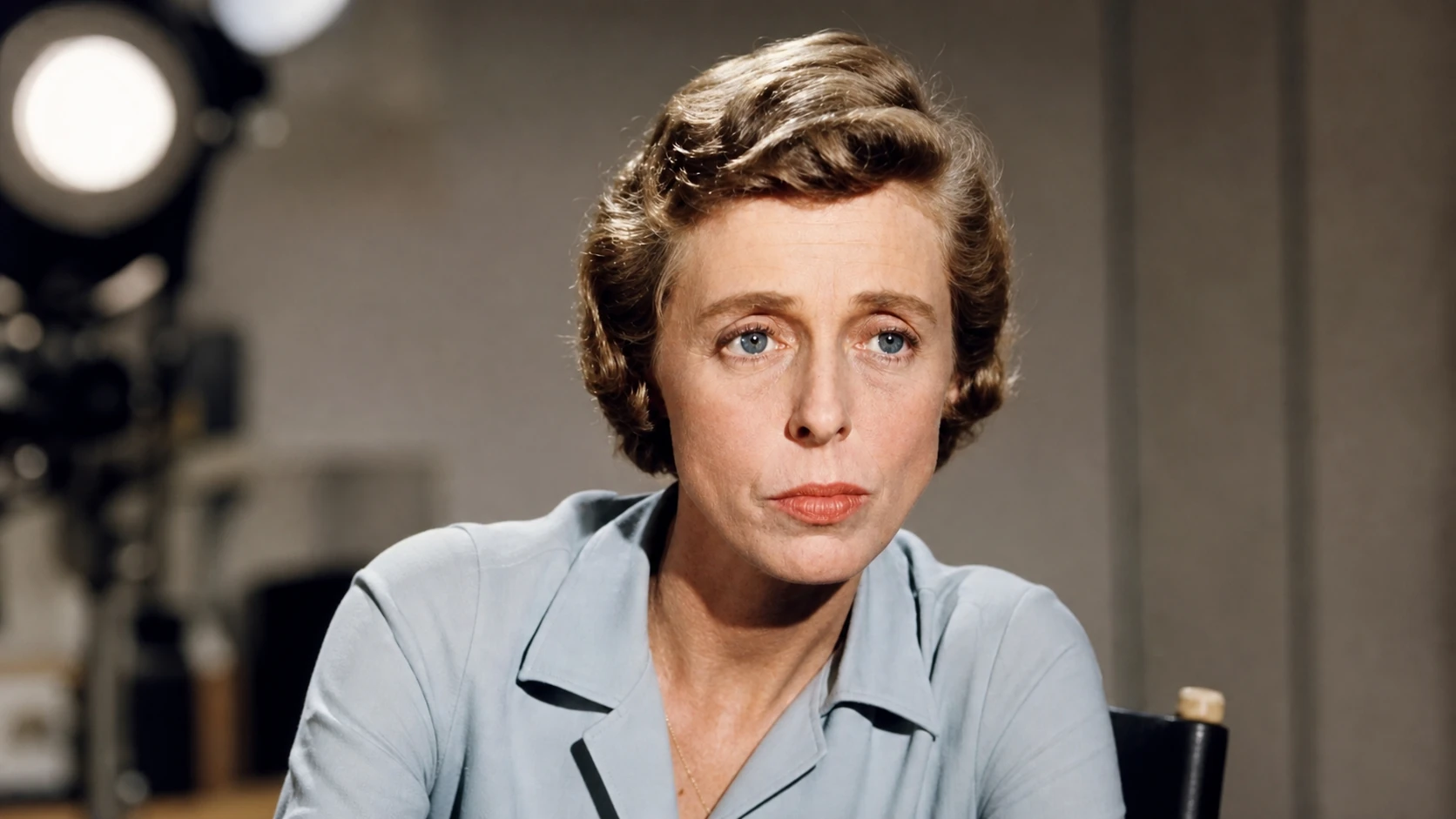
Her later career included stage work. Kulp appeared on Broadway in a revival of Paul Osborn’s Morning’s at Seven, taking over the role of Aaronetta Gibbs during the production’s run. Theater offered her a chance to work outside the television character that had defined her public image.
She also voiced Frou-Frou, a horse, in Disney’s animated film The Aristocats. The role was smaller than her best-known television work, but it added another widely seen production to her filmography.
As she grew older, Kulp spent more time teaching and speaking about acting. She worked as an artist-in-residence at Juniata College in Huntingdon, Pennsylvania. Her move into education reflected both her academic background and her desire to pass professional experience to younger performers.
Political Career and Congressional Campaign
Kulp’s interest in public affairs eventually led her into electoral politics. In 1984, she ran as the Democratic candidate for the United States House of Representatives in Pennsylvania’s 9th Congressional District.
Her opponent was Republican incumbent Bud Shuster, a well-established politician with a strong base in the district. Kulp faced a difficult race from the beginning, since the district leaned heavily Republican and Shuster had the advantages of incumbency.
The campaign attracted national entertainment coverage because Kulp was a familiar television actress entering serious politics. It also became associated with a public disagreement involving Buddy Ebsen, her former Beverly Hillbillies co-star. Ebsen recorded a radio advertisement supporting Shuster and criticizing Kulp’s political positions.
Kulp lost the election, receiving about one-third of the vote. Although the result ended her attempt to enter Congress, the campaign showed that she wanted to be seen as more than a television personality. She approached politics as a genuine public-service ambition rather than a publicity exercise.
The race may have required personal time and financial commitment, but no reliable public record establishes how much of her own money she spent. Campaign activity should not be treated as proof of either wealth or financial hardship.
Marriage, Relationships, and Private Life
Nancy Kulp married Charles Malcolm Dacus in 1951. Their marriage was brief, and they divorced in 1961. They did not have publicly known children.
Kulp kept much of her personal life private. She did not build her public identity around relationships, and entertainment coverage during her career concentrated mainly on her work. Later accounts have discussed her sexuality, particularly after comments attributed to her in an interview late in her life, but she did not maintain a highly public personal life.
She lived during an era when actors faced strong professional pressure to conform to traditional public expectations. Any discussion of her private relationships should therefore remain careful and limited to what she chose to disclose.
Kulp spent different periods of her life in California, Pennsylvania, and Connecticut. She eventually returned to the Palm Springs area in California, where she lived during her final years.
Nancy Kulp Net Worth and Income Sources
Nancy Kulp’s net worth was not publicly confirmed. Online estimates frequently place her wealth between $1 million and $2 million at the time of her death, but those figures should be treated as speculation rather than documented fact.
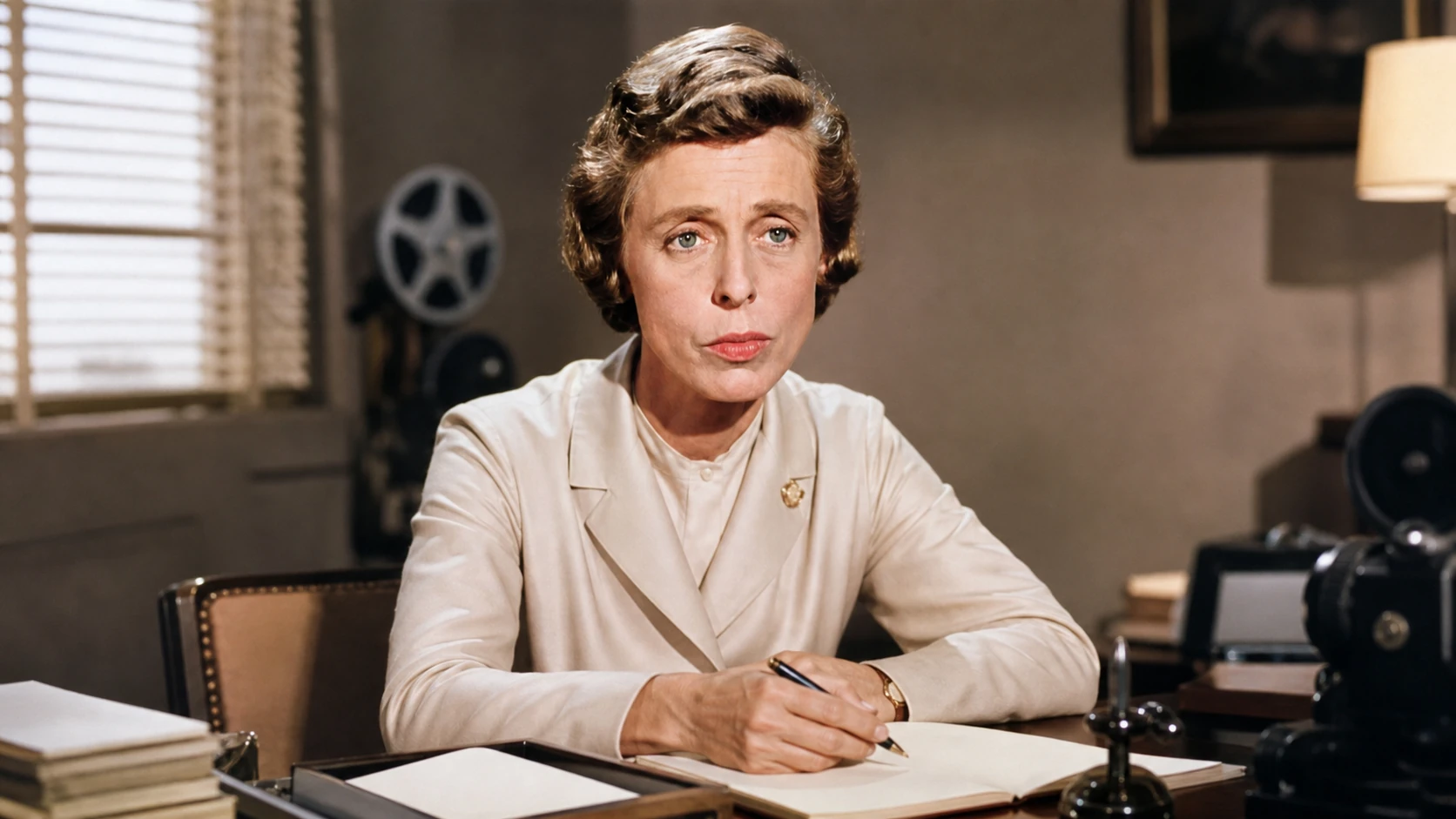
Her primary source of income was acting. She worked in film and television from the early 1950s through the late 1980s, with The Beverly Hillbillies providing her longest and most stable period of employment. A nine-season network role would have generated regular earnings, although her salary per episode has never been reliably published.
Kulp also earned money from film appearances, television guest roles, stage work, voice acting, and teaching. She may have received residual payments when eligible productions were rerun, but the total value of those payments is unknown.
Residuals are often misunderstood. Actors may receive additional compensation when television episodes or films are reused, but that does not mean they own part of a production or collect a permanent share of all syndication revenue. The payment depends on the performer’s contract, union agreements, and the form of reuse.
No public record gives a full accounting of Kulp’s real estate, savings, investments, pensions, debts, taxes, or medical expenses. Without those details, it is impossible to calculate her net worth responsibly. Career earnings alone do not show how much a person retains.
A former Studio City home associated with Kulp was listed decades after her death for a price near $2 million. That later asking price does not establish the value of the home during her ownership or prove the size of her estate. Los Angeles property values changed sharply between Kulp’s lifetime and the 2020s.
The most accurate conclusion is that Kulp earned a steady living and enjoyed a successful professional career, but her final fortune remains unknown. The widely repeated millionaire estimates may be possible, yet they are not supported by a publicly available estate valuation.
Illness and Death
Kulp was diagnosed with cancer during the final period of her life. She underwent treatment but died on February 3, 1991, in Palm Desert, California. She was 69 years old.
Her death came two decades after The Beverly Hillbillies ended, but Miss Hathaway remained the role most closely attached to her name. Obituaries also recognized her military service, film work, political campaign, and teaching.
Kulp was buried in Westminster Presbyterian Cemetery in Mifflintown, Pennsylvania. Her return to Pennsylvania for burial connected the end of her life with the state where she was born and later sought elected office.
Legacy and Public Image
Nancy Kulp’s public reputation rests on a performance that made intelligence itself part of the comedy. Jane Hathaway was educated, efficient, and usually more sensible than the people around her. Kulp allowed audiences to laugh at the character’s social awkwardness without stripping her of competence or self-respect.
Her career also represents the importance of character actors in classic Hollywood and television. Kulp rarely received leading billing, but her presence strengthened dozens of productions. She knew how to make a scene memorable while still serving the larger story.
Younger viewers continue to discover her through reruns, streaming collections, and clips from The Beverly Hillbillies. Modern retrospectives have also renewed interest in her military service, education, political campaign, and private life.
Her net worth may remain uncertain, but her professional value is easier to measure. She created a character that has survived for generations and built a career across journalism, military service, film, television, theater, politics, and education.
Frequently Asked Questions
What was Nancy Kulp’s net worth?
Nancy Kulp’s net worth was never publicly verified. Estimates of $1 million to $2 million are frequently repeated online, but no reliable probate document, estate inventory, or financial disclosure confirms that range.
How did Nancy Kulp make her money?
Kulp earned most of her income through acting. Her sources of earnings included nine seasons on The Beverly Hillbillies, film roles, television guest appearances, Broadway work, voice acting, possible residuals, and teaching.
How much did Nancy Kulp earn on The Beverly Hillbillies?
Her salary from The Beverly Hillbillies has not been publicly confirmed. Any specific per-episode amount presented without a contract or credible payroll record should be considered unverified.
Was Nancy Kulp married?
Yes. Nancy Kulp married Charles Malcolm Dacus in 1951. They divorced in 1961, and they had no publicly known children.
What was Nancy Kulp’s most famous role?
She was best known for playing Jane Hathaway on The Beverly Hillbillies. Kulp appeared on the sitcom throughout its nine-season run from 1962 to 1971 and received an Emmy nomination for her performance.
Did Nancy Kulp run for political office?
Yes. She was the Democratic candidate for Pennsylvania’s 9th Congressional District in 1984. She lost to Republican incumbent Bud Shuster after receiving roughly one-third of the vote.
When and how did Nancy Kulp die?
Nancy Kulp died from cancer on February 3, 1991, in Palm Desert, California. She was 69 years old.
Conclusion
Nancy Kulp built an uncommon life before and after television fame. She worked as a journalist, served in the Navy during World War II, moved from studio publicity into acting, and became an Emmy-nominated member of one of the most successful sitcom casts of the 1960s.
Her decision to pursue theater, teaching, and electoral politics showed a willingness to step beyond the role that made her famous. She could have remained known only as Miss Hathaway, but her biography reveals a disciplined professional with interests that reached well outside Hollywood.
The search for Nancy Kulp’s net worth produces more certainty than the evidence allows. Her wealth was never publicly documented, and the familiar $1 million-to-$2 million estimates should not be presented as established fact.
What remains certain is her place in television history. Kulp turned a supporting character into an enduring figure and left a career defined less by celebrity excess than by steady work, education, public service, and memorable comic skill.
