

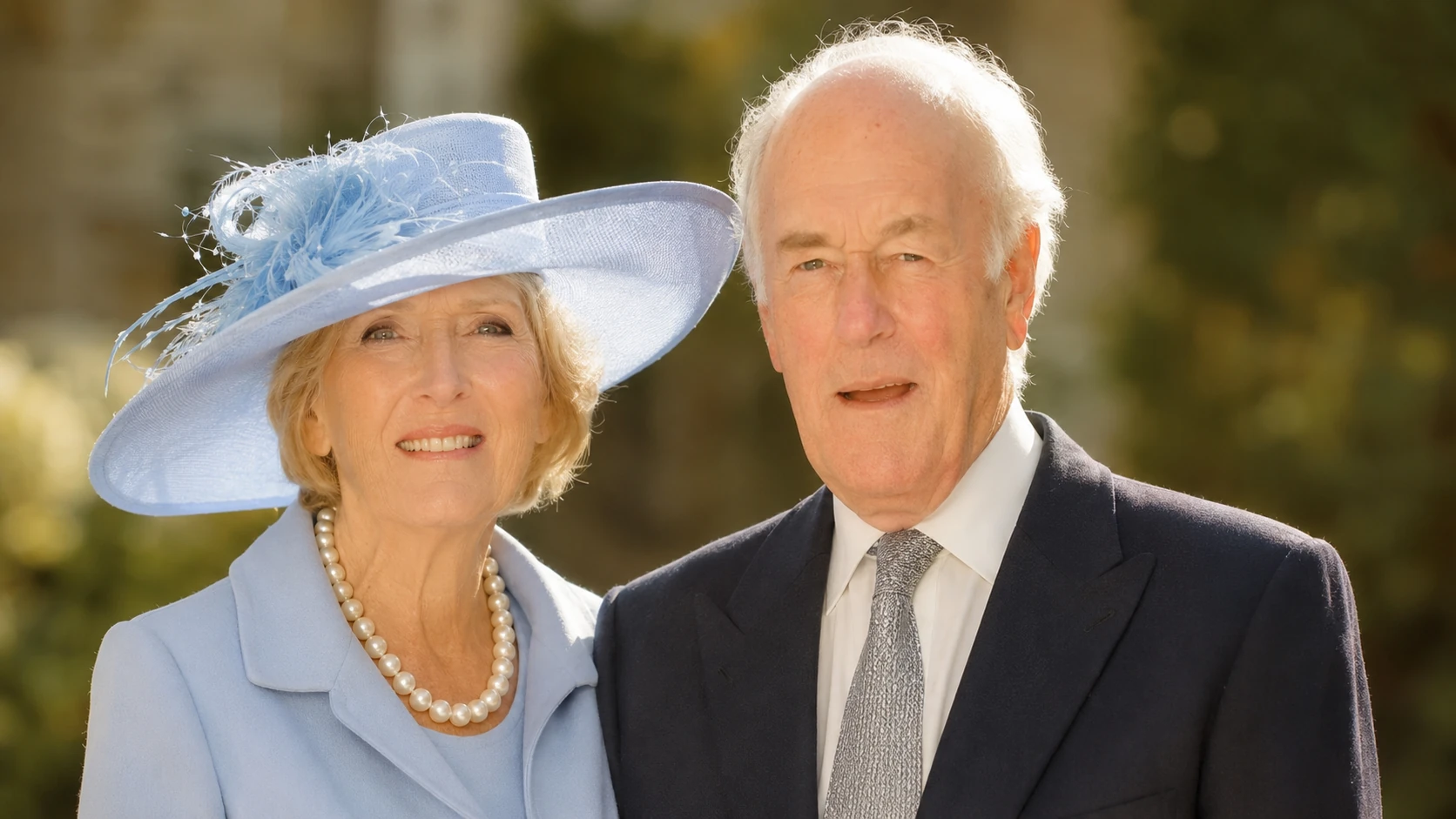
William John March is a name many readers search after hearing Mary Berry speak about the loss of her son. The person most commonly meant by this search is William John March Hunnings, the late son of Dame Mary Berry and her husband, Paul John March Hunnings. He was not a celebrity, public official, writer, actor, or businessman. His public significance comes from his place in Mary Berry’s family story and from the way his death shaped her later reflections on grief, memory, and bereavement support.
William died in 1989 at the age of 19 after a car accident. His death has remained one of the most painful and defining private events in Mary Berry’s life, even as her public career grew into one of the most admired in British food television. Because William lived outside public life and died young, the verified public record about him is limited. A careful biography should explain what is known, separate it from rumor, and respect the privacy of a young man whose name became known mostly because his mother became famous.
Full Name and Public Identity
William John March is more accurately identified as William John March Hunnings. The shorter form appears in searches because “March” was part of his name and because his father’s full name is Paul John March Hunnings. Mary Berry is widely known by her professional name, but her married surname is Hunnings.
William was the son of Mary Berry, the British cookery writer, presenter, and television judge, and Paul Hunnings. He was one of three children in the family, along with his siblings Thomas and Annabel. Unlike his mother, William did not have a public career, and there is no verified record showing that he sought a public profile.
That distinction matters. Readers sometimes arrive at his name expecting a celebrity biography, career timeline, or financial profile. In reality, William’s story is a family biography shaped by love, loss, and memory rather than fame.
Early Life and Family
William was born in 1969 into the Hunnings family. His mother, Mary Berry, had already begun building her career in cookery and food writing, while his father, Paul Hunnings, worked outside the entertainment world. Mary and Paul married in 1966, and their family life developed alongside Mary’s growing professional commitments.
William grew up with his brother Thomas and sister Annabel. Public details about his childhood, schooling, friendships, and personal interests are not widely confirmed. That is not unusual for the child of a public figure who was not himself a public person, especially during a period before social media and constant celebrity coverage.
Mary Berry has often described family as central to her life. Her public image as a practical, warm, and disciplined cook was shaped partly by domestic life, home cooking, and the rhythms of raising children. William belonged to that private world long before Mary became known to later generations through major television programmes.
Education and Young Adulthood
William was 19 when he died, and public accounts have often described him as being at a young adult stage of life, with reports saying he had been home from university or college around the time of the accident. The exact details of his education are not publicly confirmed through strong official records in the public domain.
Because of that, it would be wrong to assign him a specific school, course, profession, or career ambition without reliable confirmation. Some online pages may try to fill those gaps, but responsible biography should not turn uncertainty into fact. William’s life was cut short before a public adult career could develop.
What can be said with confidence is that he was remembered by his family as a loved son and brother. Mary’s later public comments show that William’s presence remained part of family life long after his death.
The 1989 Accident
William John March Hunnings died in 1989 at the age of 19 after a car accident. This is the central public fact most often connected with his name. The tragedy has been reported in profiles of Mary Berry and discussed by Mary herself in later interviews and public appearances.
Public accounts state that William’s sister Annabel was also involved in the accident and survived. The finer details of the crash, including any official investigation record, are not widely available in verified public sources. For that reason, the most respectful account avoids graphic description or speculation.
The accident changed the Hunnings family permanently. For Mary Berry, the loss of William became not a closed chapter, but a grief she carried while continuing to work, raise her family, and later speak with other bereaved parents.
Mary Berry’s Grief and Public Reflections
Mary Berry has spoken openly but carefully about losing William. Her comments have never seemed designed to invite attention for its own sake. Instead, she has used her experience to explain the lasting pain of child loss and the need for better support for bereaved families.
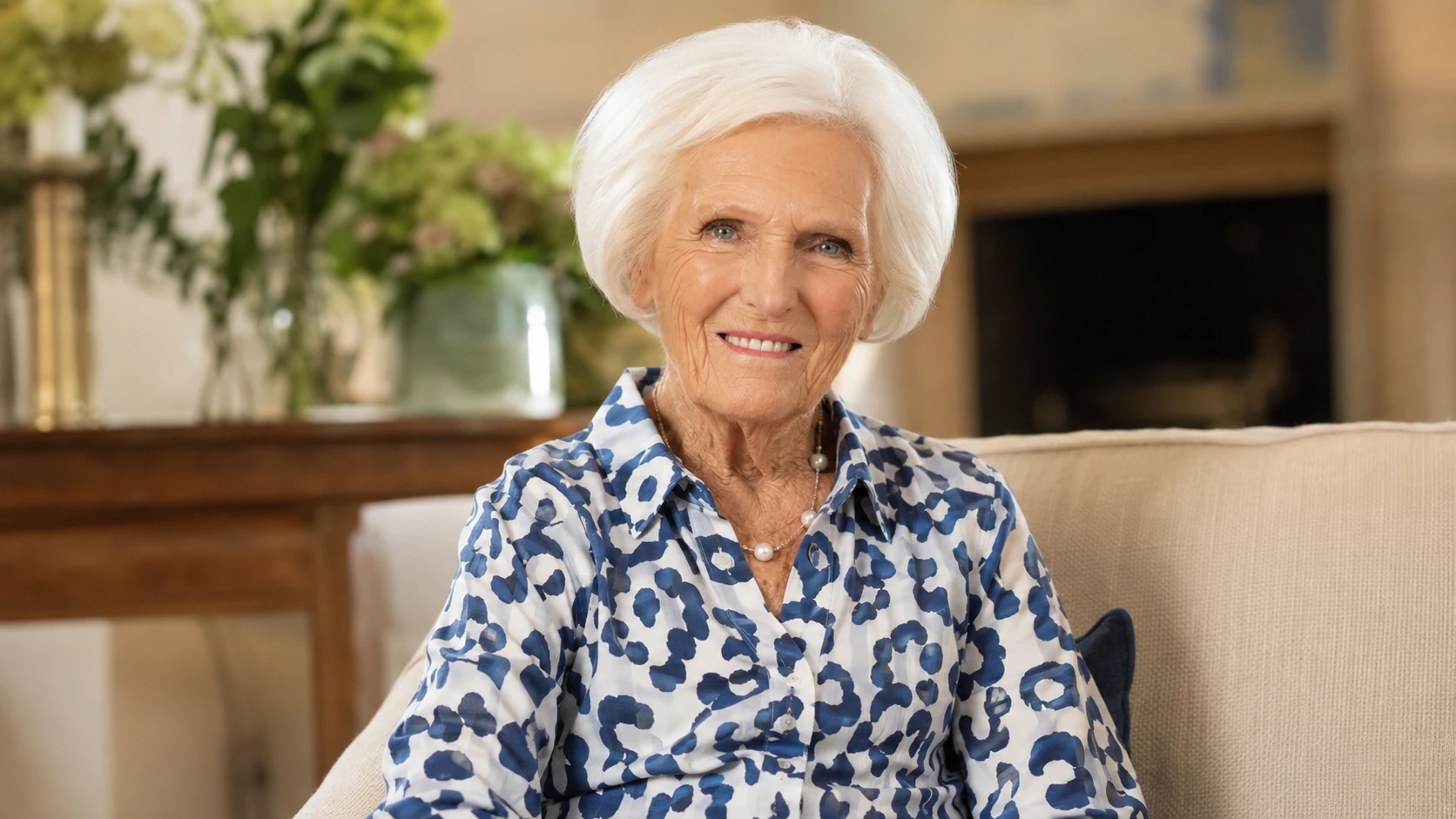
She has said that when William died, there was little support available for families facing that kind of grief. That experience later connected her to Child Bereavement UK, a charity that supports families, children, young people, and professionals after bereavement. Mary’s support for the charity gives William’s story a wider meaning beyond family biography.
Her reflections have resonated because they come from a public figure known for steadiness and warmth. Viewers who know Mary through cooking programmes often see only the calm presenter, judge, and teacher. William’s story reveals a deeper personal history behind that public composure.
William’s Place in Mary Berry’s Life Story
Mary Berry’s career is one of the longest and most respected in British food media. She became known through cookbooks, television appearances, and later through The Great British Bake Off, where her practical judgment and gentle authority made her a household name. Yet her family story has always remained part of how audiences understand her.
William’s death did not define Mary’s career, but it shaped her life. She continued working after the tragedy, and over time her public role expanded. That continuation should not be mistaken for an absence of grief. Many bereaved parents describe learning to live alongside loss rather than leaving it behind.
Mary has spoken about remembering William within the family, including the importance of keeping his memory present. That kind of remembrance is personal, but it also helps other families feel less alone. Her willingness to speak about him has made William’s name familiar to people who may never have known the private details of the Hunnings family.
Siblings and Family Memory
William’s siblings, Thomas and Annabel, have also lived mostly outside the kind of public attention attached to Mary Berry. Thomas has been publicly described as working away from television, while Annabel has had connections with food and business, including work linked to her mother. Their private lives should be handled carefully, as they did not choose the same public role Mary did.
Annabel’s name appears in stories about William because she survived the accident. That fact is often included in coverage of Mary’s grief, but Annabel’s own experience belongs to her. A respectful account should acknowledge her survival without turning it into dramatic detail.
Families remember lost loved ones in ordinary ways as much as public ones. Photographs, Christmas memories, conversations, and private rituals can matter more than formal memorials. In William’s case, Mary’s public comments suggest that he remained present in family memory, not frozen in the moment of the accident.
Career, Public Work, and Net Worth
William John March did not have a known public career. There are no verified records showing that he worked as an entertainer, writer, entrepreneur, public servant, or media personality. Because he died at 19, he had not lived long enough to build the kind of public work history readers might expect from a standard celebrity biography.
For the same reason, there is no credible public net worth figure for William. Any website claiming a precise personal fortune for him should be treated with caution. He was a young private individual, not a public business figure with reported assets, contracts, or income sources.
This section is important because many biography searches now include net worth by default. In William’s case, the honest answer is simple: his net worth is not publicly confirmed, and there is no meaningful verified financial profile to report.
Public Image and Media Attention
William’s public image is unusual because it exists almost entirely through other people’s memories, especially Mary Berry’s. He was not interviewed, profiled, or followed by the media during his lifetime. The public knows him mainly as Mary’s son, a young man whose death brought lasting sorrow to a family later known across Britain.
This creates a responsibility for writers and readers. A person does not become public property because a parent is famous. The public has a reasonable interest in understanding Mary Berry’s family story, but that interest should not erase William’s privacy or reduce him to a tragic headline.
The best way to understand William is as part of a family history that Mary has chosen to share in measured ways. His story matters because of love and loss, not scandal or fame.
Recent Interest and Current Relevance
William died more than three decades ago, but searches for his name continue because Mary Berry remains active in public life. Her ongoing television work, interviews, honours, and charity connections often bring renewed attention to her personal background. When Mary reflects on grief, viewers naturally want to know more about the son she lost.
Interest also rises because many readers are trying to clarify the name. “William John March” can be confused with other people, while “William John March Hunnings” points more clearly to Mary Berry’s son. Search results are not always careful with middle names, family names, and shortened forms.
In recent years, Mary Berry’s status as a respected national figure has only grown. That means William’s story remains part of the public understanding of her life, even though the details of his own life remain largely private.
Common Misunderstandings
One misunderstanding is that William John March was a famous person in his own right. He was not. His name is known because of his mother and because Mary Berry has spoken about his death.
Another misunderstanding is that every online result for “William March” refers to him. There have been several people with similar names, including the American writer William March, whose real name was William Edward March Campbell. That writer is a different person and should not be confused with Mary Berry’s son.
A third misunderstanding is that limited information means there must be hidden facts. Sometimes the public record is short because the person lived privately. In William’s case, that privacy deserves respect.
Frequently Asked Questions
Who was William John March?
William John March is commonly understood to mean William John March Hunnings, the late son of Dame Mary Berry and Paul John March Hunnings. He was not a public figure, and most verified information about him comes through Mary Berry’s family story.
Was William John March Mary Berry’s son?
Yes. William John March Hunnings was Mary Berry’s son. He was one of Mary and Paul Hunnings’ three children, along with Thomas and Annabel.
How old was William John March when he died?
William was 19 years old when he died in 1989. His death occurred after a car accident, a tragedy Mary Berry has spoken about publicly in later years.
Did William John March have a career?
There is no publicly confirmed career record for William. He died at 19, before he had a known adult public career, and there is no reliable evidence that he worked in entertainment, business, or public life.
What was William John March’s net worth?
William John March’s net worth is not publicly confirmed. Since he was a young private individual and not a public business or media figure, there is no credible financial profile or verified estimate to report.
Why is he sometimes called William Hunnings?
William’s fuller name was William John March Hunnings. Mary Berry’s married surname is Hunnings, and March appears as part of the family naming pattern. Searches often shorten or rearrange the name, which can create confusion.
Why are people searching for William John March now?
People search for William because Mary Berry remains a major public figure and has spoken about losing her son. Renewed interviews, tributes, television appearances, and articles about Mary often lead readers to look up his name.
Conclusion
William John March Hunnings lived outside public life, and the verified record about him is limited. That limit should be seen as a boundary, not a gap to fill with guesses. What is known is clear: he was Mary Berry’s son, he died young, and his memory has remained deeply important to his family.
His story also explains part of Mary Berry’s public humanity. Behind the cookbooks, television judging, and national affection is a mother who experienced a devastating loss and later used that experience to support others facing bereavement.
For readers searching “william john march,” the most honest biography is not a long list of invented milestones. It is a careful account of a young man remembered through family love, public grief, and the quiet dignity with which Mary Berry has kept his name alive.
