

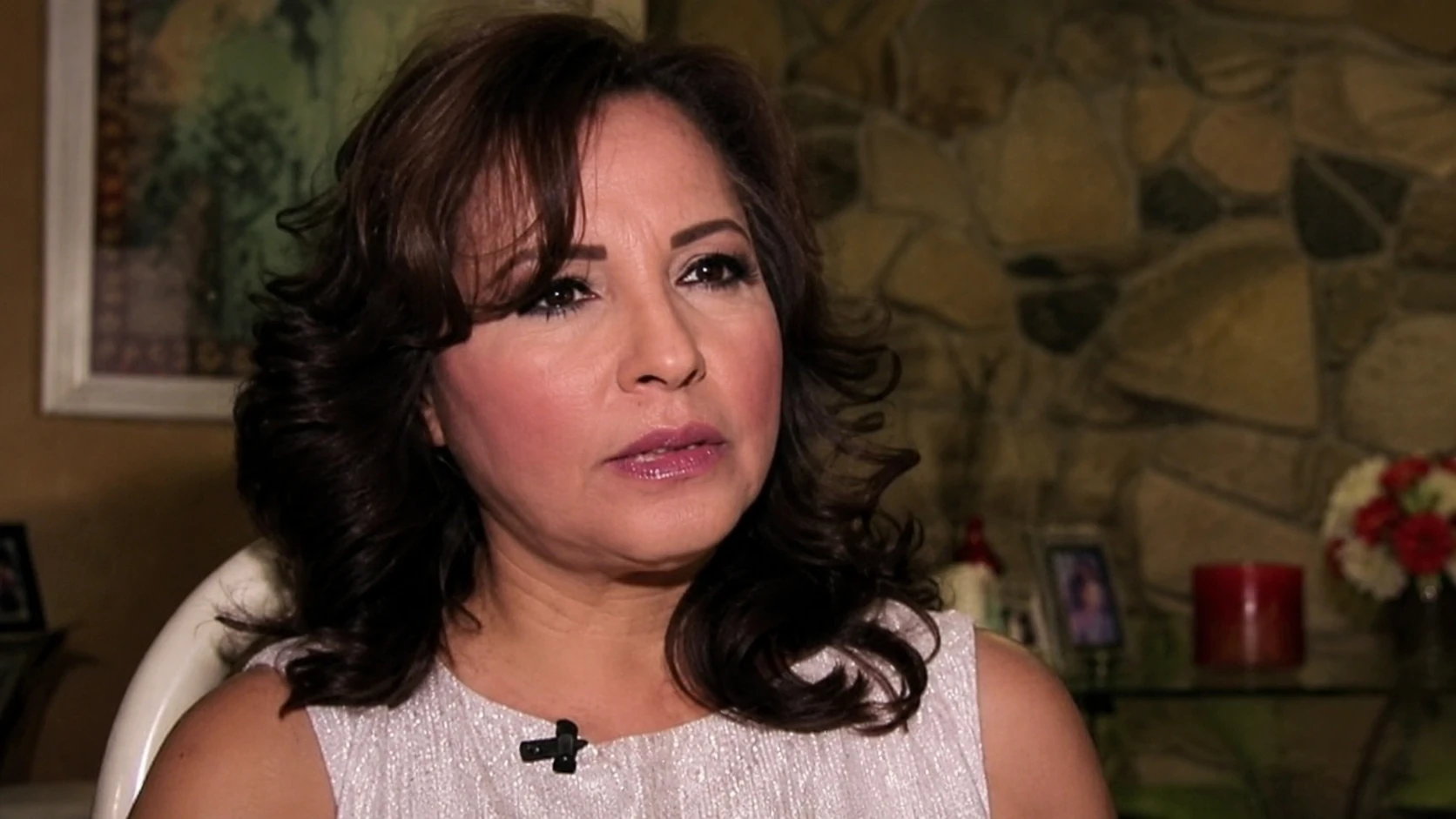
Marisela Vallejos Felix is often introduced through someone else’s name. To many readers, she is the widow of Rosalino “Chalino” Sánchez, the Sinaloan singer whose rough voice, dangerous songs, and unsolved 1992 murder made him one of the most enduring figures in regional Mexican music. But that description, while true, is too small for the life it points toward. Marisela’s story is also about migration, motherhood, survival, grief, and the hard work of protecting a family name after tragedy made it public property.
She has never lived like a conventional celebrity, and that is part of why curiosity around her has lasted. Unlike performers who court interviews and build public personas, Marisela has appeared only occasionally, usually to speak about Chalino, their children, or the way her family’s story has been told. The available record is limited, and any responsible biography has to say that clearly. Still, the facts that can be traced tell a vivid story of a woman who stood close to fame without seeming hungry for it.
Early Life and Background
Marisela Vallejos Felix is commonly identified in Spanish-language media as Marisela Vallejo Félix, Marisela Vallejos Félix, or Marisela Sánchez. The variation in spelling reflects the uneven way her name has traveled through entertainment reporting, fan pages, documentaries, and biographical summaries. What is most consistently reported is her connection to Mexicali, Baja California, and later to Southern California, where her life became tied to Chalino Sánchez. Unlike Chalino, whose life has been retold in songs, books, podcasts, and documentaries, Marisela’s early years remain mostly private.
That privacy matters because many online profiles try to fill the empty spaces with unsourced details. Claims about her exact birth date, schools, parents, childhood ambitions, or early family history are often repeated without records or named interviews. A careful biography should not treat those claims as fact simply because they appear often. What can be said with confidence is that Marisela came from the same cross-border world that shaped many Mexican and Mexican American families in the late twentieth century.
By the time she met Chalino, Marisela was part of the working-class Southern California life that rarely appears in glamorous music histories. Reports have described her working in a clothing factory in Gardena while Chalino took on ordinary jobs before music became his full-time identity. That detail gives the beginning of their story a grounded texture. Before the myth, there were jobs, bills, rented rooms, family obligations, and the daily uncertainty of immigrant life.
Meeting Chalino Sánchez
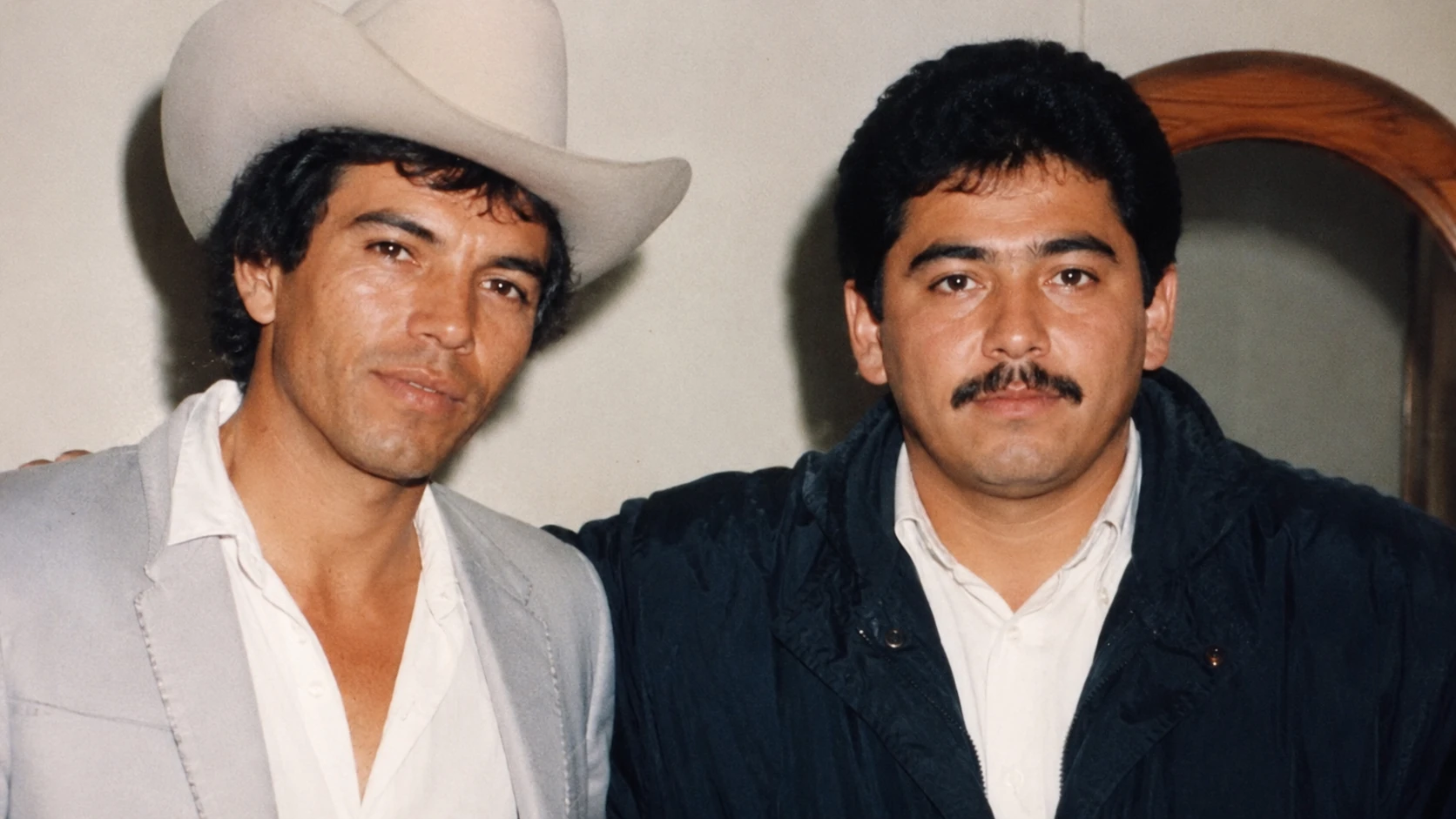
Chalino Sánchez was not born into the music business. He came from Sinaloa, migrated to the United States, and built his career from the edges of the industry, selling tapes and performing for people who recognized their own lives in his songs. His voice was not polished in the traditional sense, and that became part of his power. He sounded like the men he sang about: direct, bruised, defiant, and close to danger.
Marisela met him before that image hardened into legend. In later interviews, she remembered a more ordinary domestic life than fans might expect from the man whose name became linked to narcocorridos and outlaw ballads. She and Chalino were not introduced to the public as a polished show-business couple. They were a young pair trying to build a family while he chased a career that did not yet look secure.
Their marriage is usually placed in the early 1980s, though public sources differ on whether the exact year was 1983 or 1984. That uncertainty is not unusual in biographies built from immigrant family histories, music-industry lore, and later interviews rather than formal public archives. What is not in doubt is that Marisela was Chalino’s wife during the years that changed his life. She saw the climb before fans began treating every detail as part of a larger legend.
Marriage, Work, and a Family Taking Shape
Marisela and Chalino had two children: Adán Sánchez and Cynthia Sánchez Vallejo. Adán, born in the mid-1980s, would later become a singer himself and carry the Sánchez name into a new generation. Cynthia has remained more private, though she has appeared in later conversations about her father’s life and the family’s memories. Together, the children placed Marisela at the center of a household that would eventually become part of regional Mexican music history.
The early family years were shaped by work, not celebrity comfort. Chalino sold cars, took other jobs, wrote songs, recorded cassettes, and slowly built a following among listeners who did not hear their lives reflected in mainstream Mexican music. Marisela’s own work in a factory, as later described in reporting, reflected the practical reality of the household. Whatever romance now surrounds the Chalino story, the family’s beginnings were modest and demanding.
As Chalino’s music spread, his public identity became more intense. He wrote and sang corridos about men involved in violence, drugs, revenge, and honor, subjects that drew both devoted fans and critics. His audience heard authenticity in his plain delivery, especially because he was not trying to sound like a polished radio star. For Marisela, that rise meant living beside a man whose success brought opportunity but also risk.
Life Beside a Dangerous Fame
Chalino’s fame grew outside the safest channels of the music business. He sold recordings directly, performed at dances and clubs, and became a figure of fascination in communities where stories of migration, crime, pride, and loss were close to daily life. His songs were not abstract entertainment to many listeners. They were reports from a world they knew, even when that world was harsh.
Marisela’s place in that story was intimate rather than performative. She was not a stage partner or a publicity figure. She was the person at home, raising children while the man beside her became famous for singing about danger and refusing to soften his image. That position can be hard for outsiders to understand because fans often treat fame as one continuous reward.
The truth is, a public image can become heavy inside a family. Chalino’s fearlessness, which helped build his reputation, also brought anxiety and consequences. Marisela later suggested that she wished he had been more cautious, not because she denied his courage, but because his death left children behind. That view complicates the romantic picture of the fearless singer, and it sounds like the judgment of someone who paid the cost of the myth.
The 1992 Coachella Shooting
One of the turning points in Chalino’s public life came months before his death. In January 1992, he was performing at Plaza Los Arcos in Coachella, California, when a man jumped onto the stage and shot him. Chalino, who was armed, fired back during the chaos. The incident left one person dead and several wounded, and it became one of the events that deepened his reputation among fans.
For many performers, being shot onstage would have been a career-ending trauma. For Chalino, it became part of the story people told about him: the singer who survived an attack and fought back in front of his audience. The event fed the sense that his songs and his life came from the same dangerous world. It also showed how close violence had moved to the center of his career.
For Marisela, the Coachella shooting could not have been only a dramatic headline. It was a warning inside her own family’s life. Her husband had been nearly killed in public, and the boundary between performance and real danger had collapsed. Four months later, that warning would feel grimly prophetic.
Chalino Sánchez’s Murder
On May 15, 1992, Chalino performed in Culiacán, Sinaloa, in what became his final concert. Video from the night later became famous because he appears to receive a note while onstage and continues singing. For years, fans have claimed the note warned him that he would be killed, but the contents have never been reliably confirmed. Members of the family have said only Chalino knew what was written.
After the concert, Chalino was reportedly taken away by armed men. His body was found the next day near Culiacán, and the killing remains unsolved in the public record. He was 31 years old, and his death turned a rising regional singer into a lasting cultural figure. The murder also left Marisela a widow with two young children.
The public has often focused on the mystery, the note, and the theories. Marisela had to face the practical and emotional aftermath. She lost a husband, her children lost their father, and the music industry gained a legend that would keep generating money, stories, and speculation. That imbalance between private loss and public fascination has followed her ever since.
Raising Adán and Cynthia After Chalino
After Chalino’s death, Marisela’s responsibilities changed overnight. She had to raise Adán and Cynthia while the public image of their father grew larger and stranger. The family did not simply inherit wealth and stability from a famous name. Reports have indicated that Chalino did not leave behind the kind of formal financial protections that might have made life easier.
Adán was still a child when his father was killed. Later reporting described how deeply the death affected him and how his personality changed afterward. He was old enough to understand that his father was gone, but young enough to grow up under the shadow of a legend he could never meet as an adult. Marisela’s role was not only to provide materially but also to help her children live with a public grief that strangers felt entitled to discuss.
Cynthia, too, grew up in the long aftermath of that loss. She has been less publicly visible than her brother, but she has occasionally helped correct myths about her father. Her comments about the final note, for example, show the family’s continued effort to separate memory from invention. That work is quiet, but it matters in a story so often distorted by rumor.
Adán Sánchez’s Rise
Adán Sánchez became a singer as a teenager and performed under the weight of a famous last name. His career was not simply an imitation of his father’s, though the connection was central to his public image. Fans saw in him a living link to Chalino, and that connection carried deep emotion. For young listeners, Adán also represented a softer, newer version of the family legacy.
Marisela supported Adán’s career while also knowing the burden that came with public performance. Reports have described how his earnings helped the family after Chalino’s death, beginning when he was still very young. That detail gives his career a bittersweet edge. He was not just chasing fame; he was helping support a household still recovering from loss.
Adán’s popularity grew quickly among fans of regional Mexican music, especially in Southern California. He attracted large crowds, and his youth made his success feel both hopeful and fragile. Marisela watched him step into a world connected to the one that had taken his father. That must have carried pride and fear in equal measure.
A Second Family Tragedy
In March 2004, Adán Sánchez died in a car crash in Sinaloa while on a promotional trip. He was 19 years old. Authorities described the crash as an accident caused after a tire blew and the vehicle overturned. Because of his father’s history and the location of the crash, rumors quickly appeared, but police did not report evidence of foul play.
The public reaction was enormous. Thousands of fans gathered to mourn him in California, and the memorial became so crowded that it was difficult for family members to move freely. Marisela later described wanting to be close to her son’s coffin as it was taken away, only to be pushed back by the crush of grieving fans. It was a devastating image: a mother trying to say goodbye while the public claimed its own grief around her.
Adán’s death made Marisela the central survivor of two public tragedies. First she lost her husband, whose murder became a legend. Then she lost her son, whose youth and promise made his death especially painful for fans. Her biography cannot be told without recognizing that she was forced to mourn in public more than once, even though she never seemed to seek public life for herself.
Protecting a Name and a Legacy
After Adán died, Marisela became more visibly concerned with protecting family rights and memory. She spoke about the need to safeguard Adán’s name and likeness, especially because the family had already seen how many people profited from Chalino’s fame. This was not only an emotional concern. In music, names, images, recordings, and life stories can become income streams controlled by people outside the family.
Chalino’s catalog and image continued to generate interest long after his death. Fans bought albums, watched videos, shared concert clips, and kept his songs alive across generations. That attention helped secure his cultural standing, but it also raised questions about who benefited financially. Marisela’s comments over the years suggest that she understood both the value and the vulnerability of legacy.
She has also pushed back against fictionalized versions of Chalino. Public reports have described her preference for portrayals that include both his virtues and flaws rather than turning him into either a saint or a cartoon villain. That position is credible because it comes from someone who knew him in private life. She does not need the legend to be smaller, but she has made clear that it should be closer to the truth.
Public Image and Media Appearances
Marisela’s public image is defined by restraint. She is not a celebrity widow who built a career from interviews, appearances, and television panels. Instead, she has appeared selectively, usually in connection with Chalino documentaries, anniversary coverage, or stories about Adán. That restraint has made her more intriguing to fans, but it has also protected parts of her life from public consumption.
Her few comments tend to sound direct rather than polished for publicity. She has spoken about Chalino’s courage, his flaws, and her wish that he had been more careful. She has also described the practical hardships the family faced after his death. These details make her less of a symbol and more of a person who had to make decisions under pressure.
In recent years, renewed interest in Chalino has brought Marisela’s name back into circulation. Podcasts, streaming documentaries, and Spanish-language entertainment programs have revisited the singer’s life for audiences who were not alive in 1992. Marisela’s role in those projects is valuable because she offers proximity without turning every answer into spectacle. Her presence helps anchor the story in family memory rather than fan myth alone.
Money, Royalties, and Net Worth
Readers often search for Marisela Vallejos Felix’s net worth, but there is no reliable public figure that can be treated as confirmed. Some websites publish estimates, often in the range of hundreds of thousands or several million dollars, but those numbers usually lack documentation. They do not appear to be based on court records, detailed royalty reports, verified property records, or direct financial disclosure. For that reason, any exact net worth claim should be treated as speculation.
What can be said is that her family’s income has been tied in part to music royalties, licensing, and the continued commercial value of the Sánchez name. Chalino’s recordings remain widely heard, and Adán’s music also kept an audience after his death. Marisela has spoken in ways that suggest those rights matter to her family, especially given earlier concerns that others profited heavily from Chalino’s work. That does not translate into a verifiable personal fortune.
Her financial story is better understood through control than through a single dollar figure. The family’s challenge has been to protect names, recordings, images, and portrayals in an industry where informal arrangements can leave survivors with less than the public assumes. Fame can make outsiders imagine wealth, but the business side of regional music has not always rewarded families fairly. Marisela’s public comments show that she learned that lesson painfully.
Current Status and Private Life
Marisela Vallejos Felix is generally reported to live in Los Angeles and to keep a low public profile. Beyond that, current details about her private life are limited. There is no strong public record confirming a detailed day-to-day picture of her work, relationships, residence, or personal routines. That absence should not be treated as mystery; it may simply be the privacy she has chosen.
The internet often rewards intrusion, especially around people connected to famous deaths. Marisela’s life pushes against that habit. She is searched because of fame, but she does not appear to have built her identity around being searchable. Her limited public presence suggests a person who understands the power of the Chalino story but does not want every part of her life absorbed by it.
That balance is understandable. She has lived through a husband’s murder, a son’s fatal accident, and decades of public fascination with both. To keep any part of life private under those circumstances is not withdrawal in a weak sense. It is a form of self-protection.
Why Marisela Vallejos Felix Still Matters
Marisela matters because she is one of the few living links between the private Chalino and the public legend. Fans can study recordings, final concert footage, police reports, and interviews, but those materials cannot fully explain what it meant to live beside him. Her memories help humanize a figure who is often reduced to danger, masculinity, and mystery. She reminds readers that even legends have kitchens, children, debts, arguments, and ordinary mornings.
Her life also reflects the often unseen labor of women around famous men. While Chalino performed and built an audience, Marisela held together the family side of that life. After his death, she faced the harder task of raising children under public attention while managing the consequences of fame without the person who had created it. That kind of labor rarely receives awards, but it shapes what survives.
There is also a cultural reason her story continues to draw interest. Chalino’s music has become part of Mexican and Mexican American memory, especially for listeners shaped by migration, border life, and regional identity. Marisela stands at the human center of that memory. She is not the loudest figure in the story, but she helps make the story real.
Frequently Asked Questions
Who is Marisela Vallejos Felix?
Marisela Vallejos Felix is best known as the widow of regional Mexican singer Chalino Sánchez. She is also the mother of Adán Sánchez and Cynthia Sánchez Vallejo. Although she is closely connected to a famous music legacy, she has kept a mostly private life and appears publicly only from time to time.
Where is Marisela Vallejos Felix from?
Public reporting has connected Marisela to Mexicali, Baja California, and later to Southern California. Her early life, including her exact birth date, schools, and family background, has not been fully confirmed in reliable public records. Most verified information about her begins with her adult life and marriage to Chalino Sánchez.
Was Marisela Vallejos Felix married to Chalino Sánchez?
Yes, Marisela was married to Chalino Sánchez until his death in 1992. Sources differ on whether they married in 1983 or 1984, so the exact year should be treated with caution. What is clear is that she was his wife during his rise in regional Mexican music and the mother of his two children.
How many children did Marisela Vallejos Felix have?
Marisela had two children with Chalino Sánchez: Adán Sánchez and Cynthia Sánchez Vallejo. Adán became a singer and gained a devoted following before dying in a car crash in 2004 at age 19. Cynthia has remained more private, though she has appeared in some discussions of her father’s legacy.
What is Marisela Vallejos Felix’s net worth?
There is no verified public net worth for Marisela Vallejos Felix. Some websites publish estimates, but those figures are not supported by clear financial records or direct confirmation. It is fair to say that her family has had income connected to royalties and legacy rights, but exact personal wealth claims are speculative.
Is Marisela Vallejos Felix still alive?
Recent public reporting has referred to Marisela as living and keeping a low profile, mainly in connection with Los Angeles and the Chalino Sánchez legacy. There is no reliable public information suggesting otherwise. Because she is private, detailed updates about her current daily life are limited.
What does Marisela Vallejos Felix do now?
Marisela appears to live privately and remains connected to the family legacy when necessary. She has spoken about Chalino, Adán, and the importance of accurate portrayals, but she does not maintain a highly public career. Her current role seems centered on family, memory, and protecting the names attached to two major figures in regional Mexican music.
Conclusion
Marisela Vallejos Felix’s biography is not the story of someone who chased fame. It is the story of someone pulled close to fame by love, marriage, motherhood, and loss. She became part of music history because Chalino Sánchez changed regional Mexican music, and because their son Adán later carried that history into a new generation. Her own life has been marked by the burden of surviving both men.
What makes her compelling is not the volume of information available about her. It is the dignity of the role she has occupied in a story that others often tell too loudly. She has corrected myths, protected memory, and reminded the public that behind every famous death is a family living with consequences long after the headlines fade.
