

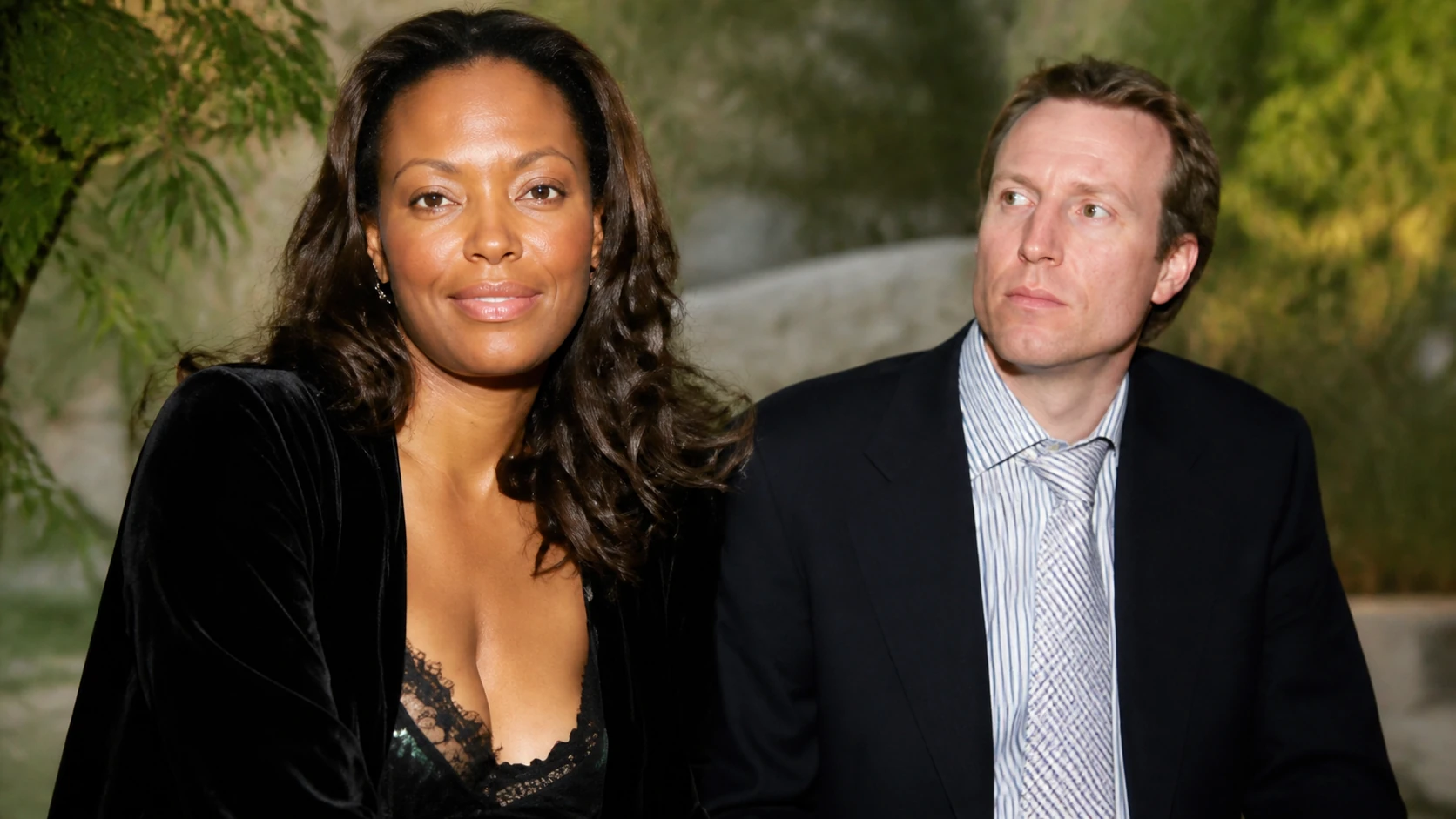
Jeff Tietjens is a name that surfaces in public searches largely because of his decades-long marriage to actress, comedian, and television host Aisha Tyler. Unlike Tyler, whose career has played out in the public eye, Tietjens has maintained a largely private life, leaving most of what people know about him tied to records, legal filings, and alumni notes. For those trying to understand the man at the center of this story, the record offers a mix of verifiable legal and educational credentials, a long-standing marriage, and a carefully negotiated divorce, with little else confirmed publicly.
Though not a celebrity in the traditional sense, Tietjens’s life intersects with the public imagination through his relationship with Tyler. He is a lawyer by education, a former California Bar member, and a Dartmouth College alumnus. What has kept him in the spotlight intermittently are the milestones of his marriage, the eventual separation, and the financial and emotional terms of the divorce. Beyond those points, Tietjens has intentionally avoided public exposure, making it clear that most online narratives are speculative.
Early Life and Family
Details about Tietjens’s early years remain largely private. Public records and verified profiles show that he attended Dartmouth College, where he earned a Bachelor of Arts in 1991. Information about his family, childhood environment, or formative influences has not been disclosed publicly, which underscores his preference for privacy outside the context of his marriage. The absence of personal details has led to speculation online, but the verified facts are limited to educational and professional records.
What is apparent is that Tietjens’s time at Dartmouth was formative. It was during his college years that he met Aisha Tyler, who would become both his partner and a highly visible figure in entertainment. Alumni notes indicate that they were college sweethearts, and their relationship blossomed in the context of Dartmouth’s campus life, although Tyler and Tietjens have not shared many specifics about that period beyond acknowledging their early connection.
Education and Legal Career
After Dartmouth, Tietjens pursued legal studies at Loyola Law School in Los Angeles, earning his Juris Doctor in 1999. He was admitted to the California State Bar in 2000, under Bar number 207165, beginning a career as a licensed attorney in civil litigation. Martindale records confirm his educational trajectory: Dartmouth College B.A., 1991; Loyola Law School J.D., 1999; California admission, 2000. These records provide a solid foundation for understanding Tietjens’s professional identity.
Tietjens’s State Bar record shows a trajectory of active and inactive periods, culminating in his resignation in October 2024 with the notation “no charges pending.” This resignation means he is no longer licensed to practice law in California but does not imply any disciplinary action. His career appears to have remained largely private, with no public record of high-profile cases or firm affiliations widely reported in the media. He is therefore best described as a lawyer by training with a former California license, whose professional life has largely avoided public scrutiny.
Marriage to Aisha Tyler

Tietjens and Tyler married in 1994, shortly after their college years. Multiple sources, including People and Entertainment Tonight, identify them as college sweethearts who maintained a long-term partnership spanning more than two decades. Alumni notes from Dartmouth corroborate that they were married and celebrated anniversaries together, highlighting trips abroad and other private milestones. While Tyler’s public career expanded, Tietjens remained largely out of the media spotlight, focusing on his legal training and personal life.
The marriage faced challenges common to couples balancing demanding careers and personal goals. Tyler has publicly discussed fertility struggles in interviews and on The Talk, emphasizing that she and Tietjens chose not to pursue further treatment. These conversations frame a nuanced understanding of their marriage, showing that their decisions were deeply personal and made in the context of long-term partnership rather than public spectacle.
Divorce Timeline and Settlement
Tietjens and Tyler separated in January 2015. Tietjens filed for divorce in April 2016, citing irreconcilable differences. Public reporting, including coverage by People and Entertainment Tonight, confirms that the divorce process was conducted through standard legal channels, culminating in a stipulated judgment finalized in May 2017. The settlement required Tyler to pay Tietjens $31,250 per month for 48 months, totaling approximately $1.5 million, with additional provisions for a life-insurance policy valued at $500,000. This financial arrangement was based on court filings and negotiated agreements, reflecting their shared financial planning rather than any indication of hostility.
While the settlement drew attention for reversing common public expectations—often focused on male-to-female spousal support—the figures reflect standard California law considerations, including income disparity, duration of marriage, and negotiated terms. Both parties publicly expressed amicable intentions, with Tyler stating she “always loved him” and describing the divorce as the conclusion of a long and meaningful partnership.
Life After Divorce
Tietjens’s continued preference for privacy contrasts with Tyler’s ongoing public visibility. Since the divorce, Tyler has maintained a high-profile career, including hosting Whose Line Is It Anyway?, her recurring role on Criminal Minds, and other creative projects. Tietjens, by contrast, remains a figure whose public appearances are limited to legal records and the historical context of his marriage.
Understanding the Public Interest
The enduring public interest in Jeff Tietjens largely stems from Tyler’s fame and the intersection of private and public lives. Celebrity divorces attract attention because they combine recognizable names, financial settlements, and personal narrative, often generating online curiosity about the less-visible spouse. In Tietjens’s case, the facts that can be verified—educational background, legal credentials, long-term marriage, divorce settlement—provide enough context for readers without resorting to speculation.
The discrepancy between media coverage and verifiable facts illustrates a broader lesson in celebrity reporting. Tietjens’s life shows how a private individual can become a recurring topic of search interest simply by association with a public figure. Responsible coverage prioritizes primary records, avoids conjecture, and respects the privacy of individuals who have not chosen a public platform.
Legacy and Public Record
Though Tietjens has avoided publicity, the intersection of his life with Tyler’s career ensures his name remains in search queries and public discussion. Alumni notes and court filings serve as durable public records, confirming the essentials of his biography. Beyond this, little is publicly known or verifiable, and the gaps are intentionally maintained by Tietjens himself.
His example highlights a particular type of privacy in modern life: someone deeply connected to high-profile events and relationships can remain largely unseen, with only legal and educational records offering a factual trail. This creates an unusual biography where absence itself is an essential fact, illustrating the limits of public knowledge and the responsible boundaries of reporting.
Where Jeff Tietjens Is Now
Currently, Tietjens’s California Bar license is resigned with no charges pending, effectively ending his official capacity to practice law in that state. His professional and personal life beyond this point is not documented in publicly accessible records. Reports of his activities, income, or other personal milestones have not been substantiated and remain speculative. The combination of privacy, long-term discretion, and a prominent public ex-spouse has created a profile that is widely searched yet selectively documented.
Frequently Asked Questions
Who is Jeff Tietjens?
Jeff Tietjens is a lawyer by training and the former husband of Aisha Tyler. He attended Dartmouth College, graduating in 1991, and earned a law degree from Loyola Law School in 1999. He was admitted to the California Bar in 2000.
Is he still a practicing lawyer?
As of October 2024, Tietjens’s California Bar license is listed as resigned with no charges pending. This means he is no longer authorized to practice law in California.
When did he marry Aisha Tyler?
Tietjens married Tyler in 1994. They were college sweethearts, and their marriage lasted over two decades before separating in 2015.
Do they have children?
No, Tietjens and Tyler did not have children. Tyler has spoken publicly about their fertility challenges and their decision not to continue fertility treatments.
What were the terms of their divorce?
The divorce was finalized in May 2017 through a stipulated judgment. Tyler agreed to pay Tietjens $31,250 per month for 48 months, with additional financial provisions for a life-insurance policy totaling approximately $2 million combined.
Where does Jeff Tietjens live now?
Public records indicate a mailing address in Childs, Maryland. Beyond that, no verified public information is available about his current residence or lifestyle.
Why is he still searched online?
Search interest in Tietjens persists due to his historical connection to Aisha Tyler, the financial details of their divorce, and ongoing curiosity about public-private boundaries in celebrity relationships.
Conclusion
Jeff Tietjens is a figure defined more by the company he kept and the private decisions he made than by public appearances or media coverage. His legal training, long marriage to a public figure, and measured handling of personal privacy paint a portrait of someone who has carefully navigated life in proximity to fame without seeking it. The record of his life emphasizes verifiable facts and illustrates the limits of public knowledge in a celebrity-driven media environment.
His story also shows that privacy in the modern era can be a choice, and that personal history intersects with public records in ways that can satisfy curiosity without compromising discretion. Tietjens remains a compelling study in how someone can exist at the edge of public attention while maintaining control over their narrative. The facts we do have—educational, legal, marital—form a complete biography that balances public interest with personal boundaries.
