

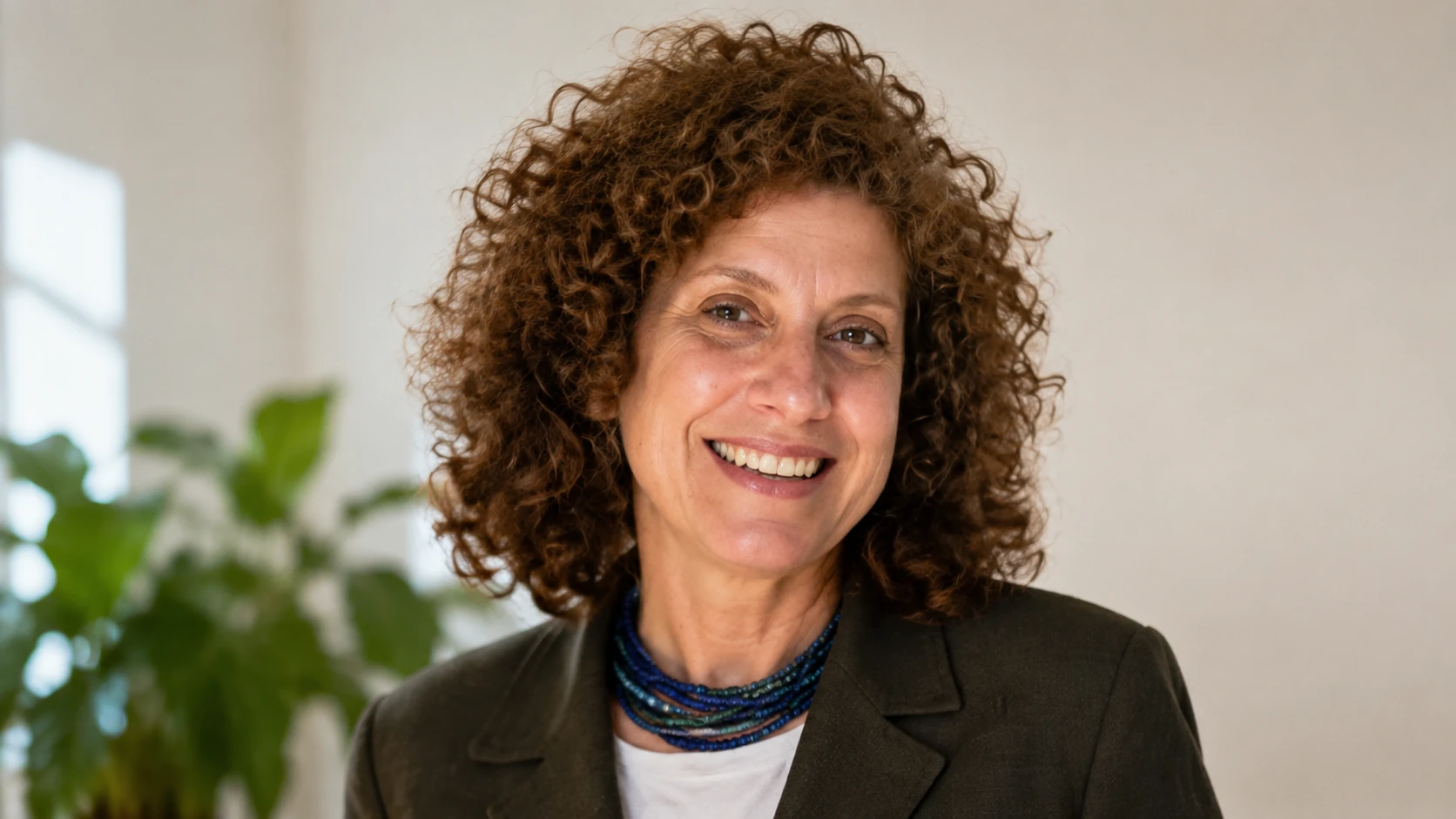
Lynne Echenberg is a public interest lawyer whose career has centered on youth justice, child welfare, and restorative approaches to harm within the legal system. She is publicly associated with work at the Brooklyn District Attorney’s Office in New York, where restorative justice programs have been developed as part of broader efforts to rethink how prosecutors respond to crime, accountability, and community harm. While her name has recently drawn wider search interest due to her personal connection to journalist M. Gessen, her professional record stands on its own through decades of legal and advocacy work focused on young people and vulnerable communities.
Early Life and Family Background
Lynne Echenberg’s early life details, including her date of birth, birthplace, and family background, are not publicly confirmed in reliable biographical records. Unlike public figures in entertainment or politics, she has not built a career based on personal visibility, and as a result, verified personal history remains limited.
What is consistently documented is her long-standing focus on youth and social justice work, which suggests an early interest in public service and law. Her later academic and professional choices align with a career path oriented toward legal advocacy rather than private practice or corporate law. Beyond this general trajectory, specific details about her upbringing or family life are not part of the public record.
Education and First Ambitions
Echenberg studied at Harvard College before attending Stanford Law School, two institutions known for producing lawyers who often move into public interest or policy-driven careers. She earned her Juris Doctor from Stanford Law School in 2002, placing her legal training in a period when youth justice and foster care reform were gaining increased attention in U.S. policy debates.
During her time in law school, she developed a focus on child welfare and juvenile justice systems. This direction is reflected in her early professional choices after graduation, which centered on legal aid and nonprofit advocacy rather than private-sector legal practice. While specific academic projects or publications are not widely documented, her educational path clearly set the foundation for her later work in restorative justice and youth services.
Early Career in Youth Advocacy and Legal Aid
After completing law school, Lynne Echenberg began working in roles connected to youth advocacy and legal support for children and adolescents. Publicly available information links her to the Juvenile Rights Division of the Legal Aid Society in New York, where she worked on behalf of young people involved in child welfare and court systems.
She is also associated with the Skadden Fellowship Program, which supports lawyers entering public interest work. During this phase of her career, she contributed to advocacy materials and legal guidance aimed at supporting young people in foster care. Her work during this period focused heavily on ensuring that children and adolescents navigating state systems had access to legal representation and basic rights protections.
Her early career reflects a consistent theme: using legal training to address structural gaps in systems that affect young people, particularly those without stable family or financial support.
Work in Child Welfare and Youth Services
Echenberg’s professional record includes work with several organizations focused on youth development and social services. These include the Administration for Children’s Services in New York, Covenant House International, the Children’s Aid Society, and Good Shepherd Services.
Across these roles, her work focused on the transition points in a young person’s life—especially adolescence into adulthood, and the moment when individuals leave foster care or temporary housing systems. These transitions are often where young people face heightened risk of homelessness, unemployment, or involvement with the justice system.
One of her most frequently cited contributions is her role in designing and launching the Next Generation Center in the Bronx. The center was created as a one-stop service hub for young people, bringing together housing support, education services, employment assistance, and counseling in a single location. The model reflects an attempt to reduce fragmentation in public services, where young people often struggle to navigate multiple agencies with separate requirements and systems.
Career Shift Toward Restorative Justice
Later in her career, Lynne Echenberg moved into restorative justice work, particularly within the context of the Brooklyn District Attorney’s Office. Restorative justice programs in Brooklyn are part of a broader shift in prosecutorial strategy that explores alternatives to traditional punishment-focused responses.
Within this framework, restorative justice is designed to create structured spaces where harm can be acknowledged and addressed through dialogue, accountability, and repair. Instead of relying solely on prosecution and sentencing, these programs may involve facilitated meetings between affected parties, community participation, and agreements designed to address harm directly.
Echenberg’s role in this area is publicly described through titles such as Director or Special Counsel for Restorative Justice Programs within the Brooklyn District Attorney’s Office. While titles can vary across public listings, her association with this work is consistently documented through institutional references and program involvement.
Major Work and Public Recognition
One of the most visible aspects of Echenberg’s work is her involvement in designing restorative justice initiatives that engage both community members and legal professionals. These programs are intended to offer structured alternatives in certain cases where traditional prosecution may not fully address the needs of victims or communities.
She has also participated in public events and educational forums connected to restorative justice practice. These include training sessions, community circles, and academic discussions where practitioners and students examine how restorative models function in real-world legal environments. Her involvement in these spaces reflects a role that combines legal expertise with program design and facilitation.
Stanford Law School recognized her public service work with the Miles L. Rubin Public Interest Award, highlighting her contributions to youth justice and child welfare. This recognition situates her within a broader group of legal professionals whose careers are defined by public interest commitments rather than private-sector advancement.
Marriage and Private Life
Lynne Echenberg is publicly identified as the spouse of journalist and author M. Gessen. This connection has contributed to increased public search interest in her name, especially in recent years. However, details about their private life are not broadly documented in public records, and they have not been presented as public-facing figures in that context.
Information about children, family arrangements, or personal financial matters is not publicly confirmed and should be treated as private. Echenberg herself does not appear to maintain a public profile centered on personal biography, and most available information about her focuses on her professional work.
Net Worth and Income Sources
There is no reliable public estimate of Lynne Echenberg’s net worth. Any precise figure circulating online would be speculative, as her financial details are not part of public disclosures.
Her income sources are assumed to be tied to her professional roles in legal aid organizations, nonprofit work, and public sector employment within the Brooklyn District Attorney’s Office. These roles are typically salaried positions within public service frameworks, rather than private-sector compensation structures. Without verified financial records, any attempt to define wealth or assets would be inaccurate.
Recent Work and Current Status
As of recent years, Lynne Echenberg remains associated with restorative justice programming in Brooklyn. These programs continue to evolve as prosecutors, courts, and community organizations test different approaches to accountability and harm reduction.
Her work fits within a broader movement in criminal justice reform that has gained attention across the United States in the 2020s. While policies vary by jurisdiction, restorative justice has become part of ongoing discussions about reducing incarceration, improving victim participation in justice processes, and addressing long-term community harm.
There is no public indication that she has shifted away from this field, though specific day-to-day responsibilities are not always publicly detailed in government or program listings.
Frequently Asked Questions
Who is Lynne Echenberg?
Lynne Echenberg is a public interest lawyer known for her work in child welfare, youth advocacy, and restorative justice programs, particularly in New York.
What does Lynne Echenberg do?
She works in restorative justice and has been associated with programs at the Brooklyn District Attorney’s Office that focus on alternative approaches to addressing harm and accountability.
Where did Lynne Echenberg study?
She studied at Harvard College and earned her Juris Doctor from Stanford Law School in 2002.
Is Lynne Echenberg married?
Yes, she is publicly identified as the spouse of journalist and author M. Gessen, though she maintains a private personal life.
What is Lynne Echenberg known for professionally?
She is known for her work in youth services, foster care advocacy, and the development of restorative justice programs in New York.
What is Lynne Echenberg’s net worth?
Her net worth is not publicly confirmed, and there are no reliable financial disclosures available.
What organizations has she worked with?
Her career includes work with Legal Aid Society, Children’s Aid Society, Covenant House International, Good Shepherd Services, and the Brooklyn District Attorney’s Office.
Conclusion
Lynne Echenberg’s public profile is shaped less by visibility and more by sustained work inside systems that affect young people and communities. Her career shows a consistent focus on legal support, youth welfare, and approaches to justice that attempt to move beyond punishment alone.
Her involvement in restorative justice places her within a field that continues to face scrutiny, experimentation, and policy debate. That work is neither simple nor universally accepted, but it reflects a growing effort to rethink how harm is addressed in legal systems.
While personal details remain limited and appropriately private, her professional record is clear enough to define her public identity. She stands as part of a generation of legal professionals working to reshape how justice systems respond to youth, vulnerability, and community harm.
