

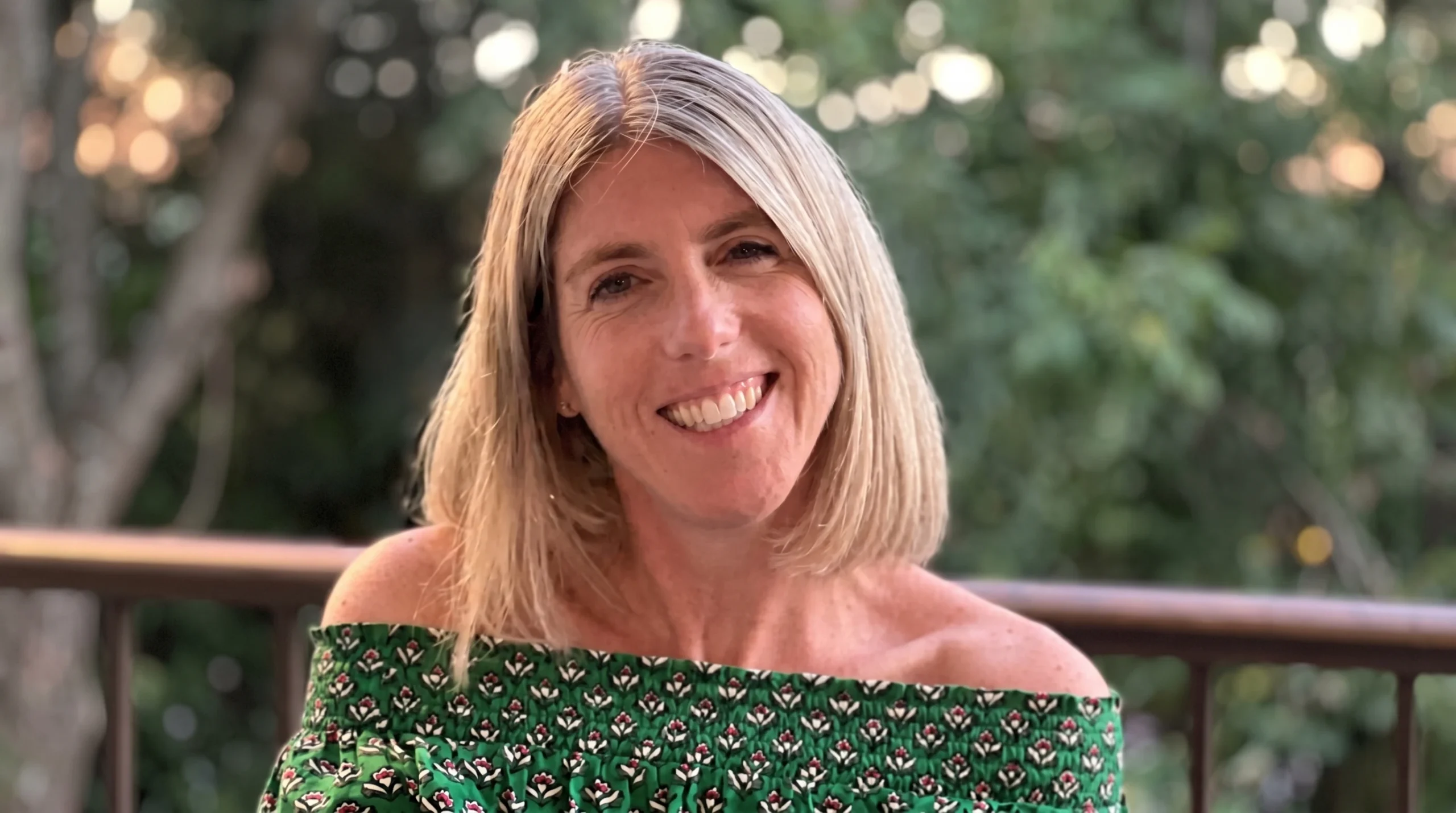
Judith Moritz is the kind of journalist viewers often recognize before they know much about her. Her face has appeared alongside some of Britain’s most difficult stories: criminal trials, public inquiries, terrorist attacks, institutional failures, and the long aftermath of grief. That is why searches for judith moritz age are rarely just about a number; they are usually about placing a steady, familiar BBC correspondent within a fuller life and career.
The most reliable public-record indications place Judith Moritz’s birth in March 1976, which makes her 50 years old in 2026. The BBC does not make her age a central part of her public profile, and Moritz herself has kept much of her private life away from routine media attention. What is clear is that her age fits a career of unusual depth: more than two decades spent covering stories where accuracy, restraint, and human sensitivity matter as much as speed.
Judith Moritz Age and Basic Profile
Judith Moritz is a British journalist and BBC News Special Correspondent based in the north of England. She is strongly associated with Manchester, both as a reporting base and as the setting for some of the defining stories she has covered. Her work appears across BBC television, radio, online reporting, podcasts, and long-form news projects.
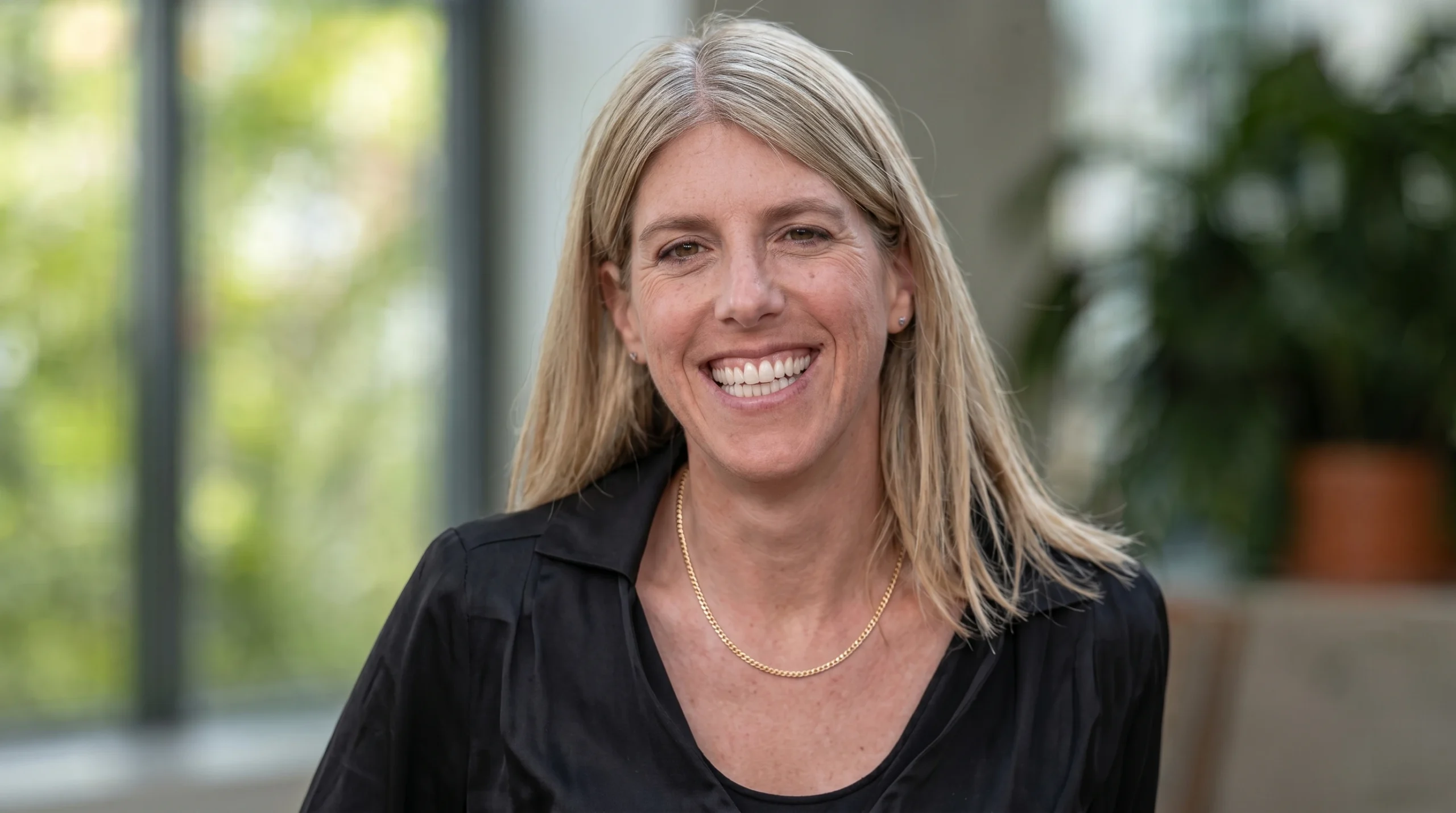
Her age, around 50 in 2026, helps explain the seniority she brings to her reporting. Moritz is not a presenter whose public profile rests on personality-led broadcasting; she is a field reporter and correspondent known for being close to major stories as they unfold. Her authority has come from years of covering courts, victims’ families, public agencies, police investigations, and official inquiries.
Public curiosity about her age is understandable because Moritz is highly visible but personally reserved. Viewers see her at moments of national seriousness, often explaining disturbing evidence or institutional failures in plain English. Yet outside her professional work, she has avoided turning her personal life into public material.
Early Life and Education
Judith Moritz’s early life has not been widely documented in the way celebrity biographies often are. She has not built her career around memoir-style self-disclosure, and there is limited confirmed public information about her parents, childhood home, or family background. That privacy should be treated carefully, because the absence of public detail is not an invitation to fill gaps with guesswork.
What can be said with confidence is that Moritz entered journalism with the training and discipline typical of serious British broadcast reporters of her generation. Her career reflects strong writing, careful listening, and a clear grasp of legal and civic process. Those skills rarely appear by accident; they are built through education, newsroom apprenticeship, and years of reporting under pressure.
Her route into journalism also reflects a pre-social-media era of broadcasting. Reporters of her generation usually learned their craft through local reporting, regional broadcasting, and daily deadlines before becoming national correspondents. That background matters because it shaped a reporting style grounded less in personal branding and more in verification, tone, and public service.
Career Beginnings at the BBC
Moritz built her reputation within the BBC rather than through the celebrity press or commentary circuit. She became known for reporting from northern England, where many major national stories have intersected with local communities. Her base outside London has also given her work a particular strength: she often reports from places affected directly by the events she covers.
The BBC’s regional and national structure has long produced correspondents who understand both local texture and national significance. Moritz fits that model well. She can report a local tragedy without making it feel small, and she can explain a national legal case without losing sight of the people at its centre.
Her career developed around stories that demanded patience. Court reporting, public inquiries, and police investigations do not reward theatrical language or quick opinion. They require a journalist to absorb evidence, recognize what has been proved, avoid what has not, and translate difficult material for audiences who need clarity rather than performance.
Major Reporting Work and Public Recognition
Judith Moritz has become especially associated with coverage of serious crime, justice, and public accountability. Her reporting has included major trials, inquiries, and investigations involving bereaved families, survivors, medical evidence, and complex institutional conduct. These are among the hardest assignments in British journalism because they combine legal precision with emotional weight.
One of the reasons Moritz is respected is that she rarely appears to make herself the story. Her delivery is calm, measured, and focused on the facts. In cases involving trauma, that restraint is not a minor stylistic choice; it is an ethical one, because the audience needs information without sensationalism.
Her work has included coverage connected to the Manchester Arena bombing and its aftermath, a story that required deep sensitivity in a city still living with loss. She has also reported on the Hillsborough inquests and related proceedings, where decades of grief, public campaigning, policing questions, and legal process came together. Those assignments helped define her as a correspondent trusted with stories where the public record matters deeply.
The Lucy Letby Trial
For many recent viewers, Judith Moritz became most recognizable through her reporting on the Lucy Letby case. Letby, a former neonatal nurse, was convicted in 2023 of murdering babies and attempting to murder others while working at the Countess of Chester Hospital. The trial was one of the longest and most disturbing criminal cases in modern British legal history.
Moritz covered the proceedings closely and became one of the main BBC journalists explaining the case to the public. The work demanded more than daily court summaries. It required careful handling of medical evidence, bereaved families’ testimony, legal restrictions, and a national audience trying to understand how such crimes could happen in a hospital setting.
Her role in the BBC’s Letby coverage showed why experience matters. A less careful journalist might have leaned into shock, but Moritz’s work helped structure a horrifying case into understandable reporting. She also became associated with deeper BBC projects examining the case after the verdicts, including reporting that looked at warning signs, institutional responses, and the questions left behind.
Writing, Audio Work, and Long-Form Reporting
Moritz’s career is not limited to television live shots or short broadcast packages. Like many senior BBC correspondents, she has worked across formats, including written analysis and audio journalism. This matters because stories such as the Letby case cannot be fully understood in a two-minute report.
Long-form reporting gives Moritz room to explain chronology, responsibility, and evidence. It also lets her show how public institutions respond after failure, which has become one of the recurring themes of her career. Courts establish guilt or legal findings, but journalism often has to ask the next question: what did authorities know, when did they know it, and what changed afterward?
Her work in podcasts and deeper news projects reflects the wider shift in serious journalism. Audiences still want fast updates, but they also want careful reconstruction. Moritz’s strengths fit that demand because she is at her best when she can connect individual testimony with a wider public record.
Marriage, Family, and Private Life
Judith Moritz is known to be private about her family life. Some public profiles have described her as living in Manchester with her family, but detailed information about her marriage, children, or close relatives is not widely confirmed in major public sources. That privacy is consistent with her career and with the risks that can come with reporting on serious crime.
There is a clear difference between public interest and personal curiosity. Moritz’s work is plainly public, because she reports for a national broadcaster and helps shape public understanding of major events. Her family life, unless she chooses to discuss it or it becomes directly relevant to her work, belongs in a more protected space.
This boundary is especially important for journalists covering criminal trials and terrorism. Reporters in these areas may face online hostility, legal pressure, or unwanted attention from people connected to controversial cases. Moritz’s low-key personal profile should be understood not as mystery, but as a reasonable professional choice.
Net Worth and Income Sources
There is no credible, verified public figure for Judith Moritz’s net worth. Online estimates that attach exact sums to journalists often rely on guesswork, recycled claims, or invented calculations. For that reason, any precise net worth figure for Moritz should be treated with caution unless it comes from reliable financial records or direct disclosure.
Her known income sources are likely connected to her BBC journalism and related professional work. Senior BBC correspondents may also earn income through books, speaking, or media projects, but those details vary from person to person and are not always public. Moritz’s public profile is built around reporting rather than commercial self-promotion.
A responsible biography should not pretend to know what is not documented. What can be said is that Moritz has built a stable senior career inside one of the world’s best-known public broadcasters. That professional standing is more meaningful than speculative wealth figures, especially for a journalist whose reputation rests on public service reporting.
Public Image and Reporting Style
Judith Moritz’s public image is defined by seriousness, restraint, and trust. She is not known for opinion-led broadcasting or provocative commentary. Instead, she has become familiar through stories where the public needs a guide through complicated facts.
Her reporting style is direct without being cold. She explains legal details in language ordinary viewers can follow, but she does not flatten the gravity of the events she covers. That balance is difficult, especially in cases involving children, bereavement, or institutional failure.
The best correspondents understand that tone is part of accuracy. Too much emotion can distort a report, while too little can feel inhuman. Moritz’s strength lies in finding a middle path, giving audiences the facts while allowing the seriousness of the story to register.
Awards, Standing, and Professional Reputation
Moritz’s standing comes less from celebrity recognition and more from the trust placed in her by editors and audiences. The BBC assigns its senior correspondents to stories where mistakes would carry real consequences. Her repeated presence on major national cases is itself evidence of professional confidence in her judgment.
She has also contributed to work that has drawn wide public attention across BBC platforms. The Letby reporting, in particular, became one of the defining pieces of British crime journalism in recent years. It placed Moritz at the centre of a story that was followed not only by court watchers, but by parents, medical professionals, lawyers, and people concerned about public accountability.
Awards are only one measure of a journalist’s value. In Moritz’s case, her influence is better seen in the record of stories she has helped explain. Her work sits at the intersection of law, grief, public institutions, and national memory.
Why People Search for Judith Moritz Age
Searches for judith moritz age reveal something about how audiences relate to journalists. Viewers often meet correspondents during intense moments, then want to know who they are, how long they have been reporting, and what gives them authority. Age becomes a shorthand for experience.
For Moritz, the answer is especially relevant because her work depends on accumulated judgment. A 50-year-old correspondent with more than two decades in journalism brings historical memory to stories that younger reporters may be encountering for the first time. She has seen how official narratives can change, how families fight for answers, and how long justice can take.
There is also a human reason behind the search. Moritz appears regularly in public, yet she remains personally quiet. Readers want context, but the most honest context is professional: her age matters because it helps explain the length, steadiness, and maturity of her career.
Where Judith Moritz Is Now
Judith Moritz continues to work as a senior BBC journalist, with a focus on major national stories, legal cases, and public-interest investigations. Her base in Manchester remains important to her identity as a correspondent. It places her close to many of the communities and institutions she has reported on for years.
Her recent profile has been shaped heavily by the Lucy Letby case and the wider questions that followed it. Those questions did not end with the verdicts, because public concern continued around hospital management, whistleblowing, medical evidence, and accountability. Moritz’s role has been to help audiences follow those developments without losing sight of what has been legally established.
At 50, she remains in the part of a journalist’s career where experience and stamina meet. She has enough history to understand patterns, but she is still active in the daily work of reporting. That combination is why her name continues to appear on stories that require more than a quick headline.
Frequently Asked Questions
How old is Judith Moritz?
The strongest available public-record indication places Judith Moritz’s birth in March 1976. That makes her 50 years old in 2026. The BBC does not usually foreground her age in its public profiles, so the figure is best understood as based on public records rather than personal publicity.
What is Judith Moritz known for?
Judith Moritz is known for her work as a BBC News Special Correspondent covering serious crime, courts, public inquiries, and major national stories. She has reported on cases connected to the Manchester Arena bombing, Hillsborough, and the Lucy Letby trial. Her reputation rests on careful reporting in stories where legal accuracy and sensitivity are essential.
Is Judith Moritz married?
Judith Moritz has kept her personal life largely private, and detailed information about her marriage or family has not been widely confirmed in major public sources. Some profiles refer to her family life in Manchester, but responsible reporting should avoid adding unverified claims. Her public identity is primarily tied to her journalism.
Does Judith Moritz have children?
There is no widely confirmed public information that should be treated as definitive about Judith Moritz’s children. Because she is a journalist rather than a celebrity who has chosen to publicize family life, that privacy deserves respect. Articles about her should focus mainly on her career and publicly documented work.
What is Judith Moritz’s net worth?
No reliable public source confirms Judith Moritz’s net worth. Exact figures found online should be treated as estimates unless backed by official records or direct disclosure. Her known professional income is tied to her work as a senior BBC journalist and related reporting projects.
Where is Judith Moritz based?
Judith Moritz is strongly associated with Manchester and BBC reporting from the north of England. That base has shaped much of her career because many of the stories she covers involve northern communities, courts, and public institutions. Her work, however, reaches national audiences across BBC platforms.
Why do people search for judith moritz age?
People search for judith moritz age because they recognize her from major BBC stories and want to understand her background. Age helps readers place her experience, especially given her long career in serious legal and public-interest reporting. The interest is less about celebrity curiosity and more about understanding the person behind a trusted news voice.
Conclusion
Judith Moritz’s age, around 50 in 2026, is only the entry point to a larger story. It points to a career built across decades, not a profile created by sudden fame. Her work shows the value of journalists who stay with hard stories long enough to understand them.
She has become a familiar presence because she reports on events that test public trust. Courts, inquiries, hospital failures, terrorism, and bereaved families require a correspondent who can hold facts and feeling together. Moritz has done that with a steadiness that explains why viewers remember her.
Her private life remains mostly private, and that restraint is part of the profile rather than a missing chapter. In an age of constant self-exposure, she has remained focused on the work. For readers asking about judith moritz age, the fuller answer is that her years matter because they show in the reporting: patient, careful, and built for stories that demand seriousness.
