


Anne Heche built a career that stretched from daytime television to major Hollywood films, Broadway, network dramas, independent cinema, writing, directing, and podcasting. She won a Daytime Emmy, appeared opposite some of the best-known actors of the 1990s, and remained professionally active for more than three decades. Yet the financial picture that emerged after her death was far more modest than her fame suggested.
The most widely repeated Anne Heche net worth estimate is about $400,000, based on early probate filings made after her death in 2022. That figure was not a final audited calculation. Later court reports identified fewer assets and millions of dollars in creditor claims, leading the estate administrator to describe the estate as insolvent.
Heche died in August 2022 at age 53 after a car crash in Los Angeles. She left behind two sons, an extensive body of screen work, unresolved financial obligations, and an estate case that continued for years.
Who Was Anne Heche?
Anne Celeste Heche was an American actor, director, writer, and television personality. She was born on May 25, 1969, in Aurora, Ohio, and grew up in a family that moved frequently during her childhood. Her early life included financial hardship, religious conflict, and personal trauma that she later discussed publicly.
Heche became famous through her dual performance as twins Vicky Hudson and Marley Love on the NBC soap opera Another World. Her work on the series earned her a Daytime Emmy Award and gave her the platform to move into film during the 1990s.
She later appeared in studio releases, independent films, television series, stage productions, and reality programs. Her career was marked by periods of major commercial visibility as well as difficult personal and professional setbacks.
Early Life and Family Background
Heche was the youngest of five children born to Nancy and Donald Heche. Her family lived in several places during her youth, including Ohio, New Jersey, and Illinois. She later said that the family’s financial situation was unstable and that her father’s public identity did not match the private reality of their home.
Her father died in 1983, when Anne was 13. Her brother Nathan died in a car crash several months later. These losses occurred during a period in which the family was already dealing with poverty and upheaval.
Heche began performing in school and community theater. While living in the Chicago area, she appeared in a dinner-theater production and attracted the attention of a talent scout. She was later offered the opportunity to audition for television work in New York.
Career Breakthrough on Another World
Heche joined Another World in 1987. Playing both Vicky Hudson and Marley Love required her to create two distinct characters who appeared within the same storylines. The demanding assignment displayed her emotional range and technical control at a young age.
She won the Daytime Emmy Award for Outstanding Younger Actress in a Drama Series in 1991. By that time, she had already established herself as one of the more promising performers to emerge from daytime television.
Heche left the series in 1991 and began pursuing film and prime-time television roles. Her transition was gradual, but the soap opera had given her professional experience, industry recognition, and a record of sustained work.
Rise in Hollywood
Heche’s film career expanded quickly during the mid-to-late 1990s. She appeared in Walking and Talking, The Juror, Donnie Brasco, Volcano, I Know What You Did Last Summer, and Wag the Dog. These films placed her alongside actors including Johnny Depp, Al Pacino, Robert De Niro, Dustin Hoffman, and Tommy Lee Jones.

Her highest-profile leading role came in the 1998 adventure comedy Six Days, Seven Nights, in which she starred opposite Harrison Ford. She also appeared in Return to Paradise and played Marion Crane in Gus Van Sant’s 1998 remake of Psycho.
This period established Heche as a recognizable Hollywood leading actor. It likely represented the strongest earning phase of her film career, though her individual salaries for these projects were not publicly confirmed.
Public Relationship With Ellen DeGeneres
Heche’s relationship with comedian and television star Ellen DeGeneres began in 1997 and attracted intense media attention. At the time, openly same-sex relationships involving major Hollywood figures were still treated as controversial by much of the entertainment industry.
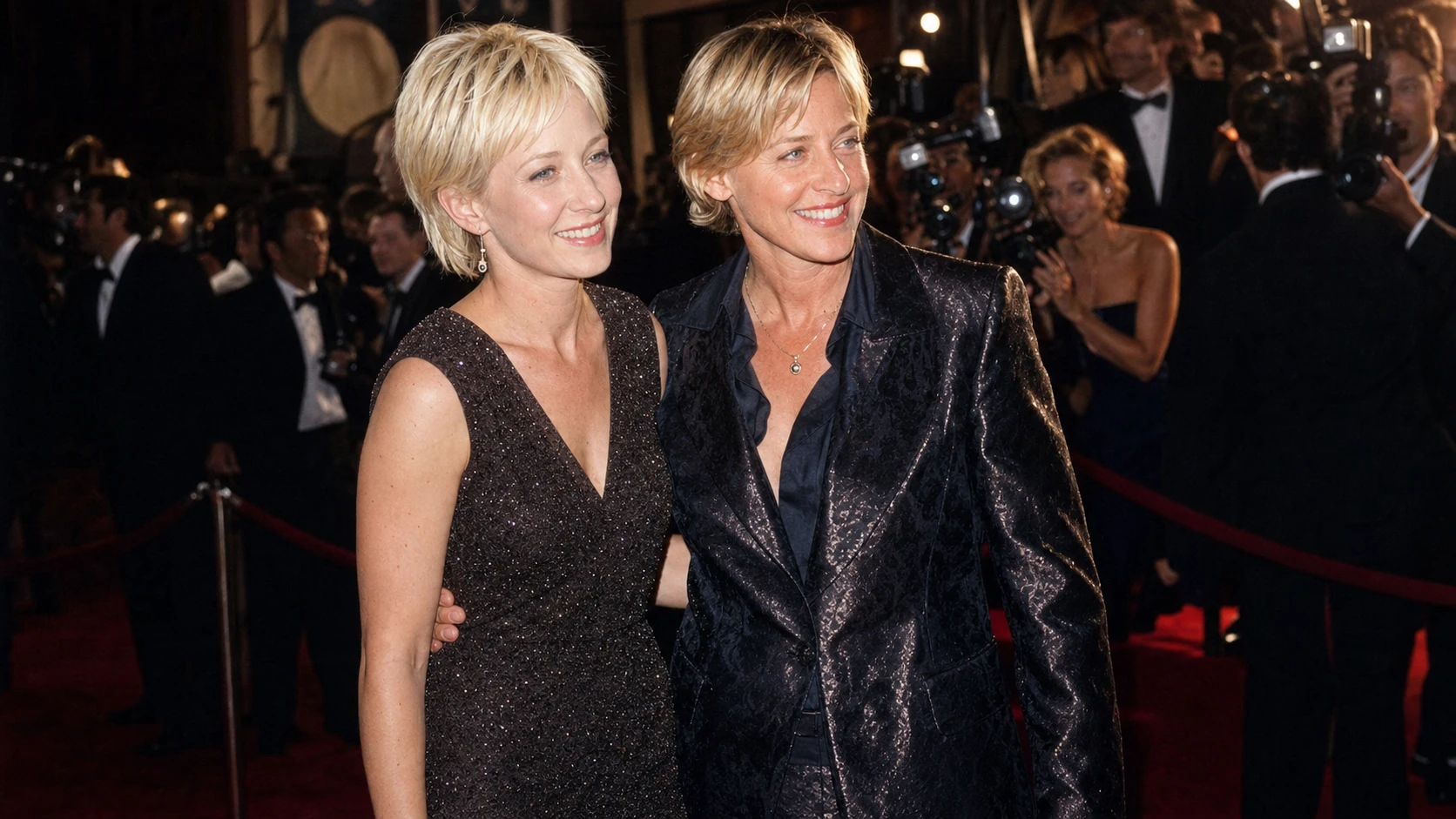
Heche later said that bringing DeGeneres to the premiere of Volcano affected her professional opportunities. She believed that studios and other industry decision-makers reacted negatively to the relationship and that she lost access to major roles.
The couple separated in 2000. Their relationship remained a central part of public discussions about Heche’s life because it unfolded during a period of strong cultural resistance to openly LGBTQ public figures.
Marriage, Relationships, and Children
Heche married camera operator Coleman “Coley” Laffoon in September 2001. They had met while working on a documentary project connected with DeGeneres. Their son, Homer Laffoon, was born in 2002.
The marriage ended in divorce, which was finalized in 2009. The separation involved a public custody dispute, though both parents remained part of Homer’s life.
Heche later entered a long-term relationship with actor James Tupper, whom she met while working on the television series Men in Trees. Their son, Atlas Heche Tupper, was born in 2009. Heche and Tupper separated in 2018 after more than a decade together.
At the time of her death, Heche was not publicly confirmed to be married. Her sons, Homer and Atlas, became central figures in the probate proceedings that followed.
Television, Broadway, and Later Career
After her period as a major studio-film lead, Heche continued to work steadily across television and independent cinema. She starred in the ABC series Men in Trees and held major roles in Hung, Save Me, Dig, Aftermath, and The Brave.
Her later television appearances included work on Chicago P.D. and All Rise. She also appeared in television movies, guest roles, and smaller films that allowed her to sustain a long career even when she was no longer receiving the same level of studio attention she had in the 1990s.
Heche also worked on Broadway. She appeared in Proof and earned a Tony Award nomination for her performance in the comedy Twentieth Century. Her stage work showed that her abilities extended beyond film editing and camera-based performance.
She received a Primetime Emmy nomination for the television film Gracie’s Choice. Along with her Daytime Emmy win and Tony nomination, the recognition reflected her ability to work across several acting formats.
Writing, Directing, and Podcasting
Heche published her first memoir, Call Me Crazy, in 2001. The book addressed her childhood, relationships, mental health struggles, and unusual experiences that had drawn widespread public attention.
She also worked behind the camera. Her directing credits included segments of the television film If These Walls Could Talk 2, and she developed projects through her own entertainment company.
In the final years of her life, Heche co-hosted the podcast Better Together with Heather Duffy. She completed a second memoir, Call Me Anne, which was published posthumously in January 2023.
These projects gave her additional income sources beyond acting, but available estate records suggest that the financial value of her book royalties, podcast ownership, and production interests was limited.
Anne Heche Net Worth at the Time of Her Death
Anne Heche’s exact net worth at the time of her death was never publicly verified through a complete financial statement. The figure most commonly cited is approximately $400,000, based on preliminary probate documents filed after her death.
Those early records referred to bank funds, personal property, entertainment residuals, book income, business interests, and expected future earnings. They did not represent a finished inventory of every asset and debt.
A later estate report filed in 2024 placed the value of then-appraised assets at roughly $110,000. A later account discussed in 2025 identified around $200,000 in assets, including cash, furniture, residual payments, book royalties, an uncashed check, and interests in business entities.
The changing figures show why the $400,000 estimate should not be treated as a precise final net worth. Probate values can change as accounts are found, property is appraised, payments are collected, and claims are reviewed.
How Anne Heche Earned Her Money
Acting was Heche’s main source of income. Her earnings came from soap-opera work, film contracts, television roles, stage performances, guest appearances, and independent productions.
She may also have received residual payments when eligible films and television episodes were rerun, licensed, sold for home entertainment, or distributed through streaming platforms. Residual income is usually irregular and depends on union agreements, distribution formats, and the continued use of specific productions.
Her other income sources included publishing, podcasting, directing, and production-company interests. The public record does not establish how much she earned from each activity over her lifetime.
Gross career earnings are not the same as retained wealth. Taxes, agents, managers, attorneys, housing, family expenses, periods without work, and personal debts all reduce the amount a performer keeps.
Why Her Estate Was Declared Insolvent
The major issue was not simply the modest value of Heche’s identified assets. Her estate also faced creditor claims totaling more than $6 million.
Several large claims arose from the August 2022 crash in which Heche’s vehicle entered a home in the Mar Vista area of Los Angeles and caused a major fire. The renter and property owners sought damages for the destruction of the house, lost possessions, emotional harm, and other alleged losses.
Actor Thomas Jane also filed a claim connected with a personal loan he said he had made to Heche. Other claims reportedly involved medical bills and consumer obligations.
A filed claim is not automatically equal to a final payment. Claims can be disputed, reduced, settled, rejected, or litigated. Still, the amounts sought were far greater than the assets the estate administrator had identified, which led him to describe the estate as insolvent.
Probate Dispute and Administration
Heche did not leave a will that was accepted by the probate court. Her elder son, Homer Laffoon, petitioned to administer the estate and said she had died without a valid will.
James Tupper challenged that position, arguing that a 2011 email from Heche expressed her wishes and named him to manage the estate. The court allowed Homer to continue as administrator.
The dispute involved questions about control of the estate and representation of Heche’s younger son, Atlas. Homer and Atlas were identified as beneficiaries, but beneficiaries receive property only after valid debts, legal costs, and administration expenses are addressed.
The case remained active for years because the administrator had to locate assets, redirect residual payments, value business interests, deal with creditor claims, and pursue settlement discussions.
Developments in 2024, 2025, and 2026
In 2024, the estate administrator reported that Heche’s appraised assets were worth about $110,000 at that stage. He also said the estate faced more than $6 million in claims and was not ready for final distribution.
By late 2025, court reporting described approximately $200,000 in identified assets. The administrator said a tentative agreement with creditors had been reached, but the arrangement still required completion and court approval.
In June 2026, Lynne Mishele, the renter of the home destroyed in the crash, disputed the suggestion that she had agreed to a final settlement. She sought a fuller accounting of the estate before accepting any resolution.
As of July 2026, the public record did not establish a completed settlement or a final inheritance for Heche’s sons. The estate remained a changing legal matter rather than a closed financial account.
Death and Public Legacy
On August 5, 2022, Heche was seriously injured after her car crashed into a Los Angeles home and caught fire. She was hospitalized with severe injuries and did not regain consciousness.
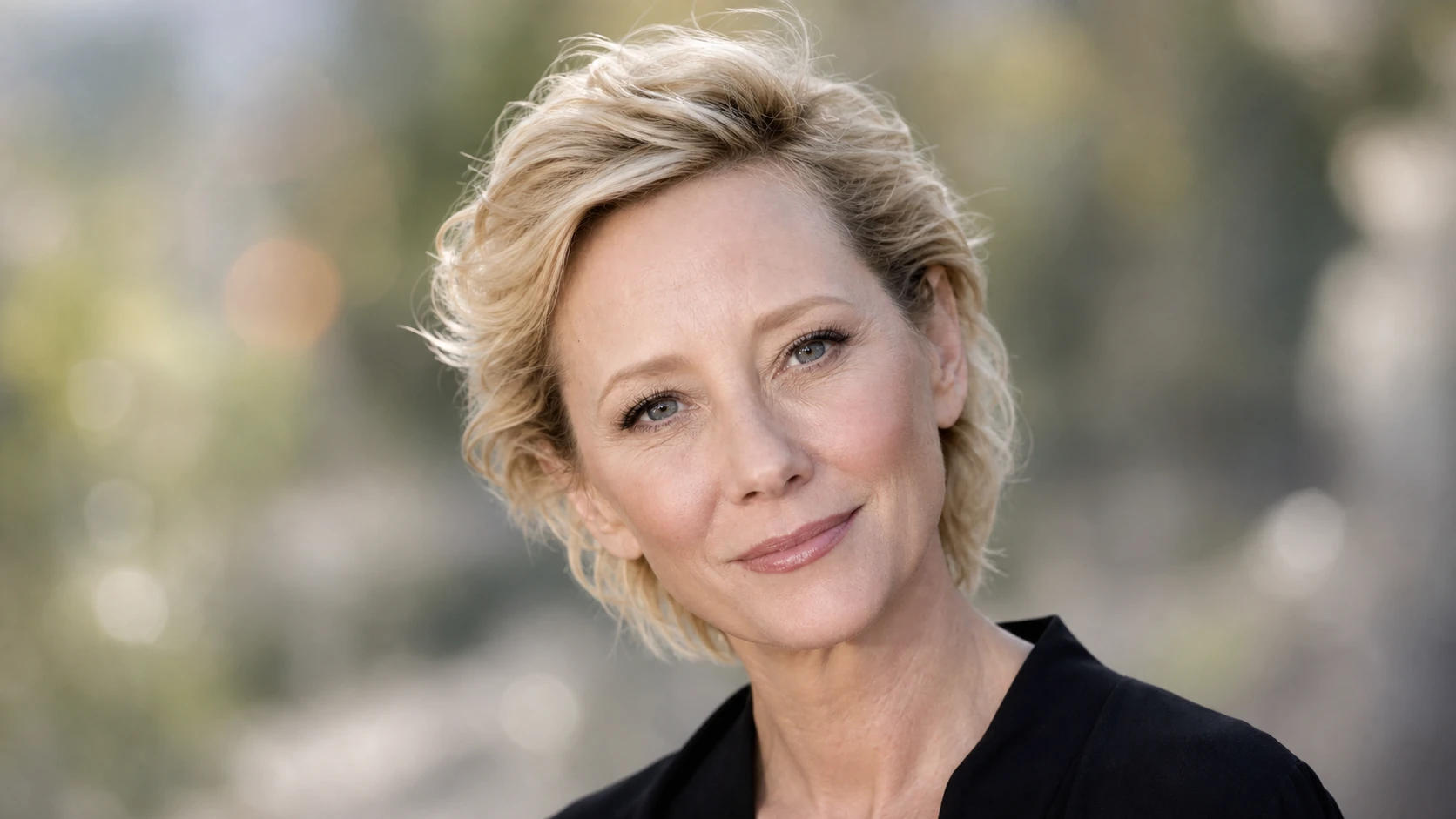
Heche was declared legally dead on August 12, 2022, after doctors determined that she had suffered brain death. Life support continued briefly so that organ donation could be arranged. She was 53.
Her death prompted renewed attention to her acting career, personal struggles, and the unequal treatment she said she experienced after publicly dating DeGeneres. It also brought painful legal and financial consequences for the people affected by the crash.
Heche’s legacy remains complicated but substantial. She was an Emmy-winning actor who moved between comedy, drama, daytime television, film, Broadway, and network series with unusual flexibility.
Frequently Asked Questions
What was Anne Heche’s net worth when she died?
Anne Heche’s exact net worth was not publicly confirmed. Early probate papers produced an estimate of about $400,000, but later filings identified roughly $110,000 to $200,000 in assets and more than $6 million in creditor claims.
Was Anne Heche a millionaire?
She may have earned millions in gross income across her career, but there is no reliable evidence that she had a net worth of several million dollars at the time of her death. Court records showed a much smaller estate than many celebrity-finance websites had estimated.
Why was Anne Heche’s estate insolvent?
Her identified assets were far below the value of the claims filed against the estate. Several claims arose from the fatal 2022 crash, while others involved a personal loan, medical costs, and additional debts.
Who are Anne Heche’s children?
Heche had two sons. Homer Laffoon was born during her marriage to Coleman Laffoon, and Atlas Heche Tupper was born during her relationship with James Tupper.
Who inherited Anne Heche’s estate?
Homer and Atlas were identified as beneficiaries. Any inheritance depends on what remains after estate expenses, approved creditor claims, settlements, and legal obligations are paid.
Did Anne Heche own real estate when she died?
Early probate filings said she lived in an apartment and did not own real property at the time of her death. She had owned homes earlier in her life, but their previous sale prices do not establish how much money she retained.
Does Anne Heche’s estate still earn money?
The estate may continue receiving residuals, royalties, and other payments connected with her past work. The amounts are not guaranteed and may be used to cover administration costs and creditor obligations while the estate remains open.
Conclusion
Anne Heche’s career cannot be measured fairly by the amount found in her probate estate. She worked for more than 30 years, earned major award recognition, and left performances that continue to be watched long after her death.
The available financial record tells a different story from the unsupported multi-million-dollar estimates often repeated online. Her early estate value was placed near $400,000, later appraisals were lower, and creditor claims left the estate insolvent.
Her sons inherited responsibility for a difficult legal process as well as their mother’s public legacy. Whether they ultimately receive a financial distribution depends on the final treatment of the estate’s debts and remaining income.
Heche’s story remains one of talent, visibility, hardship, and survival in an industry that could reward performers generously while offering little lasting security. Her professional record is clear, even if the final value of her estate is not.
