

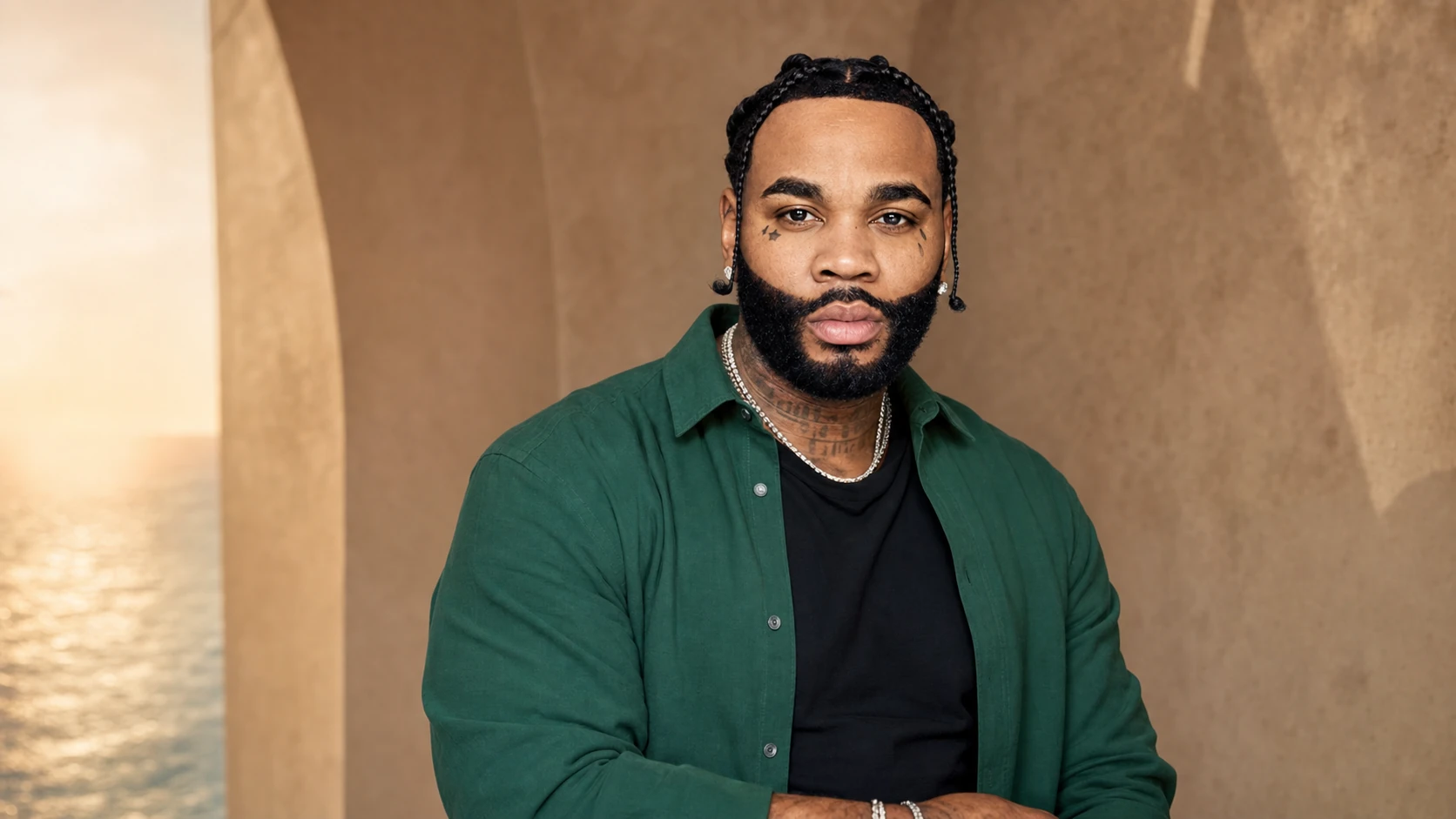
Kevin Gates built his career by turning private pain, street experience, faith, ambition, and emotional conflict into unusually direct rap music. Born Kevin Jerome Gilyard in Louisiana, he rose from Baton Rouge’s local hip-hop scene to national recognition with projects such as The Luca Brasi Story, By Any Means, and his platinum-selling debut album Islah. His forceful voice and confessional writing made him one of Southern rap’s most distinctive figures.
Readers searching for Kevin Gates’ ethnicity often find incomplete or conflicting answers. Gates has publicly identified Puerto Rican heritage through his mother and Moroccan heritage through his father. He is American by nationality, Black by racial and cultural identity, and Muslim by faith. Those descriptions refer to different parts of his background and do not contradict one another.
His family ancestry is only one part of a life shaped by Louisiana, repeated incarceration, independent music, commercial success, marriage, fatherhood, and a public image that has often shifted between vulnerability and confrontation. Gates has shared many personal experiences through songs and interviews, but some details about his relatives, finances, and private relationships remain unconfirmed.
Early Life and Family Background
Kevin Jerome Gilyard was born on February 5, 1986, in New Orleans, Louisiana. He spent much of his childhood and adolescence in Baton Rouge, the city most closely associated with his identity and musical development. As of 2026, he is 40 years old.
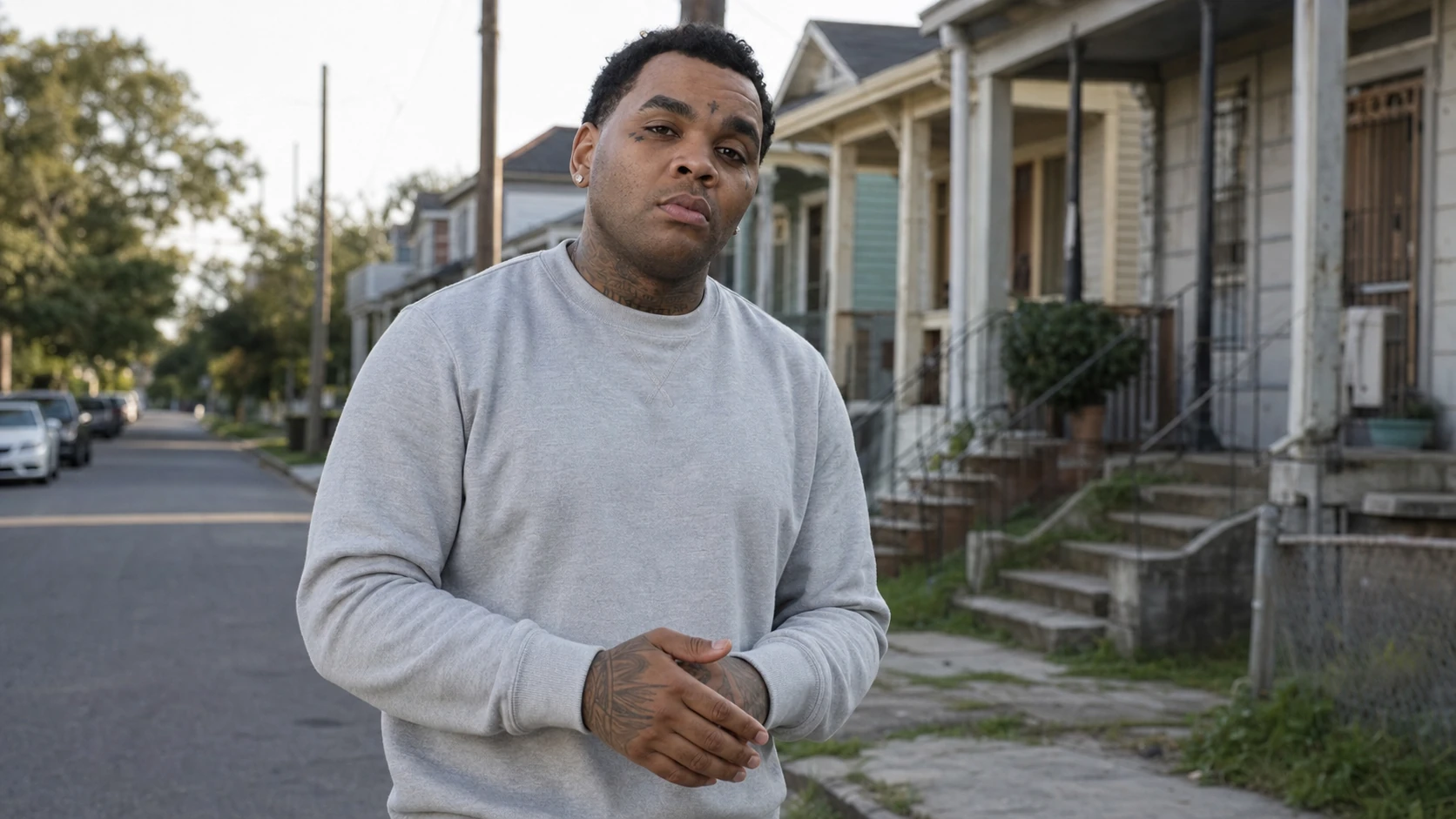
Gates has described his mother as Boricua, a term commonly used for a Puerto Rican person or someone of Puerto Rican descent. He has identified his father as Moroccan. The most accurate description of Kevin Gates’ ethnicity is therefore Puerto Rican on his maternal side and Moroccan on his paternal side.
His birthplace and upbringing make him American and deeply connected to Louisiana culture. His Puerto Rican and Moroccan roots describe his family ancestry, while his life in Baton Rouge shaped his accent, worldview, music, and public identity. Gates is also widely recognized as a Black artist, and his career developed within the traditions of Black Southern rap.
Public information about his parents is limited. Gates has said that he did not have a close relationship with his father during much of his childhood and that they connected later in his life. His father died when Gates was still young, an experience he has linked to grief and emotional instability.
Gates grew up in difficult circumstances and encountered the criminal justice system at an early age. He has spoken about being arrested as a teenager and about how incarceration affected his education, relationships, and sense of responsibility. These experiences later became central subjects in his songwriting rather than details he tried to hide.
What Kevin Gates’ Ethnicity Means
Ethnicity, race, nationality, and religion are often mixed together in online biographies. In Gates’ case, keeping those categories separate produces a clearer and more respectful answer.
Gates is American because he was born in the United States. His Puerto Rican maternal heritage places him within a Hispanic or Latino family background, though Puerto Rican identity is not a race and Puerto Ricans may identify with many racial groups. His Moroccan paternal ancestry connects him to North Africa, but the public record does not confirm a more specific Moroccan ethnic group.
It would be inaccurate to assume that Moroccan ancestry automatically means Gates identifies as Arab. Morocco includes Arab, Amazigh, Black Moroccan, mixed, and other communities. Gates has not publicly released enough information about his paternal family to classify that side of his ancestry more narrowly.
His Islamic faith is also separate from ethnicity. Gates has spoken openly about being Muslim, and religion has influenced his discipline, language, travel, music, and public outlook. Islam, however, is practiced across many racial and ethnic communities and does not establish a person’s ancestry.
Gates made his Puerto Rican connection especially visible in 2021 when he recorded Only the Generals Part II in Puerto Rico. He connected the project with family history and memories of his grandmother. Songs titled “Puerto Rico Luv” and “Wishing in Morocco” also reflected both sides of the heritage he has described.
Education and Early Ambitions
Gates’ formal education was interrupted by instability and incarceration. He has said that he was intellectually curious and performed well in structured educational settings, even while his life outside school remained difficult. Some profiles report that he later pursued college-level studies while incarcerated, though the exact institution, program, and credentials have not always been documented consistently.
Music became both an ambition and a way to organize his experiences. Gates grew up listening to Southern hip-hop, but his influences extended beyond one region or style. He has discussed exposure to artists and sounds from New Orleans, Baton Rouge, Jamaica, Puerto Rico, and the wider American rap world.
His early work developed within Baton Rouge’s local music community. The city had already produced nationally recognized artists, but its scene remained less commercially dominant than Atlanta, Houston, or New Orleans. Gates’ writing stood out because he combined street narratives with anxiety, romance, depression, spiritual reflection, and self-criticism.
Early Career and Legal Setbacks
Gates began recording seriously in the 2000s and became associated with the Baton Rouge label Dead Game Records. He worked with local artists including Webbie and Boosie Badazz, then known widely as Lil Boosie. Early mixtapes such as Pick of Da Litter and All or Nuthin’ helped establish him within Louisiana rap.
His progress was repeatedly interrupted by prison sentences. Gates spent substantial periods incarcerated during years when his career might otherwise have grown more quickly. Rather than ending his ambitions, those interruptions became part of the identity he presented when he returned to music.
After his release in the early 2010s, Gates approached recording with greater focus. He founded the Bread Winners’ Association imprint with his longtime partner and manager, Dreka Gates. The business gave him a base for releasing music while developing a relationship with Atlantic Records.
His career began to expand outside Louisiana through mixtapes, online audiences, touring, and emotionally intense performances. Gates did not fit easily into a single commercial category. He could make hard street records, melodic love songs, spiritual reflections, and deeply personal accounts of trauma without presenting them as separate personas.
Career Breakthrough
The 2013 mixtape The Luca Brasi Story became Gates’ major national breakthrough. The project attracted strong critical attention and introduced a wider audience to his mix of aggression, melody, and confession. Its success led to an Atlantic Records partnership and increased interest in his earlier catalog.
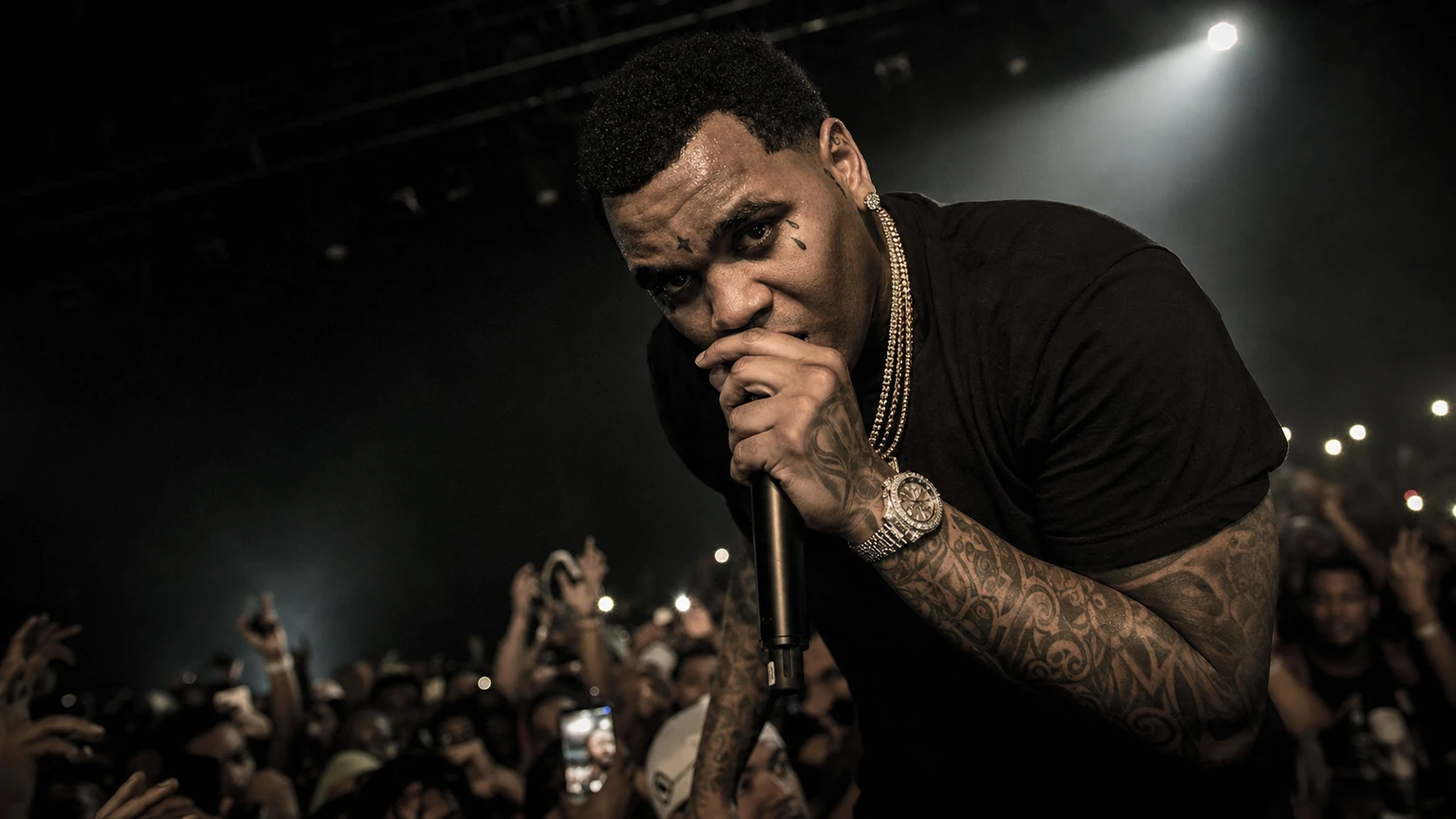
Later in 2013, Gates released Stranger Than Fiction, a commercial mixtape that reached the Billboard charts. He followed it with By Any Means in 2014 and Luca Brasi 2 later that year. Songs such as “I Don’t Get Tired,” featuring August Alsina, helped turn his personal language and tireless-work message into a recognizable brand.
Gates’ popularity grew without a traditional debut album arriving immediately. By the time he prepared Islah, he already had a devoted audience and several successful mixtapes. The delay allowed him to enter the album market as an established artist rather than an unknown newcomer.
Released in January 2016, Islah became the defining commercial achievement of his career. Named after his daughter, the album debuted near the top of the Billboard 200 and produced major singles including “2 Phones” and “Really Really.” Its success confirmed that Gates could translate a strong mixtape following into mainstream sales and radio attention.
The album also showed the range behind his reputation. Gates moved between ambition, desire, paranoia, loyalty, family, and emotional isolation. His ability to sing or shift into melody without abandoning the weight of his rapping became one of his most recognizable traits.
Prison, Return, and Later Albums
Gates’ momentum was disrupted again in 2016 when he received a jail sentence related to an incident at a Florida performance. After serving that sentence, he faced additional imprisonment connected to an earlier weapons case in Illinois. He was released in January 2018.
His return produced the EP Chained to the City, followed by projects including Luca Brasi 3. In 2019, he released his second studio album, I’m Him. The record continued the themes that had defined his work: self-discipline, betrayal, sexual relationships, street survival, faith, and psychological struggle.
In 2021, Gates released Only the Generals Part II, recorded in Puerto Rico. The project carried personal importance because of his maternal heritage and family connection to the island. It also showed his ability to connect ancestry with contemporary music without presenting himself as belonging to a genre outside his established Southern rap style.
His third studio album, Khaza, arrived in 2022 and was named after his son. Gates followed it with Ceremony in 2024. Across these releases, he remained known less for chasing pop trends than for maintaining a direct relationship with listeners who identified with his accounts of hardship, discipline, intimacy, and inner conflict.
Publicly verified information about his full 2025 and 2026 schedule is limited without relying on changing concert listings, social media claims, or promotional reports. He remains an active recording artist with a large catalog and an established touring audience, but specific current projects should be confirmed through official announcements.
Marriage, Children, and Private Life
Kevin Gates’ most publicly known relationship is with Dreka Haynes, professionally known as Dreka Gates. The two knew each other long before his national fame, and she became closely involved in the business side of his career. Together they helped build Bread Winners’ Association and managed the transition from local releases to a major-label partnership.
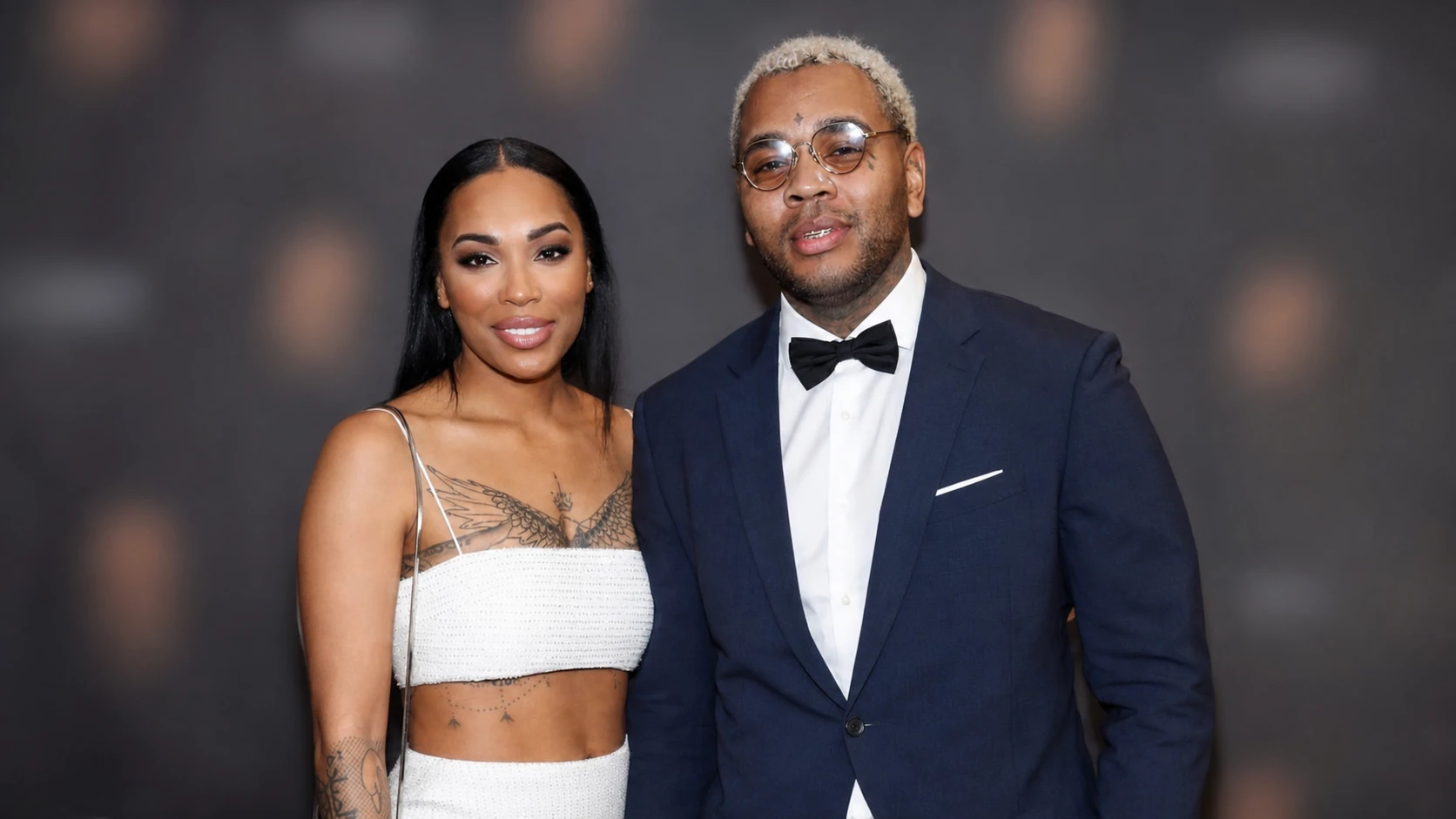
Kevin and Dreka married in 2015. Their relationship has appeared in interviews, music videos, social media, and documentary-style content, but both have also faced intense online speculation. Reports about separation, reconciliation, or changes in their marriage have not always been supported by direct confirmation, so their exact current relationship status should be described carefully.
They have two publicly known children together, a daughter named Islah and a son named Khaza. Gates named major albums after both children, linking fatherhood directly to his career. He has also indicated that he may have other biological children, but the total number and their identities are not fully public or consistently confirmed.
Gates often discusses family in emotional rather than conventional terms. His songs address devotion, guilt, absence, protection, and the difficulty of maintaining relationships while living through fame and incarceration. That openness has made his work feel personal, though it also means listeners sometimes treat lyrics as literal records of private events when they may contain storytelling or artistic exaggeration.
Public Image and Controversies
Gates has built a reputation for speaking without much concern for conventional celebrity etiquette. His interviews may move quickly between religious reflection, sexuality, mental health, violence, business, physical fitness, and spiritual beliefs. Supporters see that openness as honest, while critics sometimes view it as calculated provocation or inconsistency.
Several legal incidents have shaped his public image. His criminal record and prison sentences are documented parts of his life, but they do not explain his entire career. Gates has repeatedly framed discipline, exercise, prayer, work, and family responsibility as tools for changing destructive patterns.
He has also attracted criticism for comments about women, relationships, sexuality, and family matters. Some statements have circulated without their full context, while others were made directly in interviews or online. A fair profile can acknowledge that he has often created controversy without turning every viral clip into a reliable account of his beliefs or private conduct.
Mental and emotional struggle remain central to his appeal. Gates has discussed depression, trauma, loneliness, and the pressure to appear strong. His willingness to place those subjects beside traditional street-rap themes helped him develop a loyal audience that responds to emotional detail as much as toughness.
Net Worth and Income Sources
Kevin Gates’ exact net worth is not publicly confirmed. Celebrity finance websites publish estimates, but these figures often lack access to private contracts, taxes, debts, royalty splits, business expenses, property records, or touring costs. Any precise number should therefore be treated as an estimate rather than established fact.
His known income sources include music sales, streaming royalties, publishing, touring, merchandise, and business activity connected to Bread Winners’ Association. His catalog contains platinum-certified albums and singles, giving him long-term royalty potential. Touring has also been a major part of his career, though gross ticket revenue is not the same as personal profit.
Gates’ financial position has likely changed across periods of incarceration, album success, touring, and independent business development. Without verified financial disclosures, it is safer to describe him as a commercially successful rapper than to assign him a fixed fortune. Public fame and high streaming totals do not reveal how much money an artist keeps after expenses and contractual obligations.
Frequently Asked Questions
What is Kevin Gates’ ethnicity?
Kevin Gates has publicly identified Puerto Rican ancestry through his mother and Moroccan ancestry through his father. He is also widely recognized as Black. These labels describe different parts of his family and racial identity.
Is Kevin Gates Puerto Rican?
Gates is of Puerto Rican descent on his mother’s side. He was not born in Puerto Rico; he was born in New Orleans and raised mainly in Baton Rouge. He has expressed a personal connection to Puerto Rico through family memories and music recorded on the island.
Is Kevin Gates Moroccan?
Gates has said that his father was Moroccan, giving him Moroccan paternal heritage. Details about his father’s birthplace, community, and ancestry beyond that description are not publicly confirmed.
What is Kevin Gates’ real name?
His full name is Kevin Jerome Gilyard. He performs professionally under the name Kevin Gates.
How old is Kevin Gates?
Kevin Gates was born on February 5, 1986. He turned 40 years old on February 5, 2026.
Is Kevin Gates married?
Kevin Gates married Dreka Haynes in 2015. They have worked together for years and share two publicly known children. Their exact current relationship status has been the subject of speculation and should not be stated as fact without direct confirmation.
What is Kevin Gates’ net worth?
His exact net worth is not publicly confirmed. Online estimates vary and should be treated cautiously because his contracts, expenses, assets, debts, and royalty arrangements are private.
Conclusion
Kevin Gates’ story cannot be reduced to a single ethnicity label or a collection of viral interviews. His Puerto Rican and Moroccan ancestry forms part of his identity, but Louisiana supplied the environment that shaped his language, career, and understanding of survival.
His rise was neither quick nor orderly. Prison repeatedly interrupted his progress, yet he returned to build a national audience through mixtapes, independent business, touring, and an album that became one of the strongest rap debuts of its period.
Gates remains compelling because he rarely separates toughness from fear, faith from contradiction, or success from the damage that preceded it. That emotional friction has created controversy, but it has also given his music a sense of lived experience that listeners continue to recognize.
The clearest account of Kevin Gates’ ethnicity is also the simplest: he is an American artist with Puerto Rican maternal roots and Moroccan paternal roots. His wider biography shows why ancestry matters, but also why it is only one part of the person he became.
