

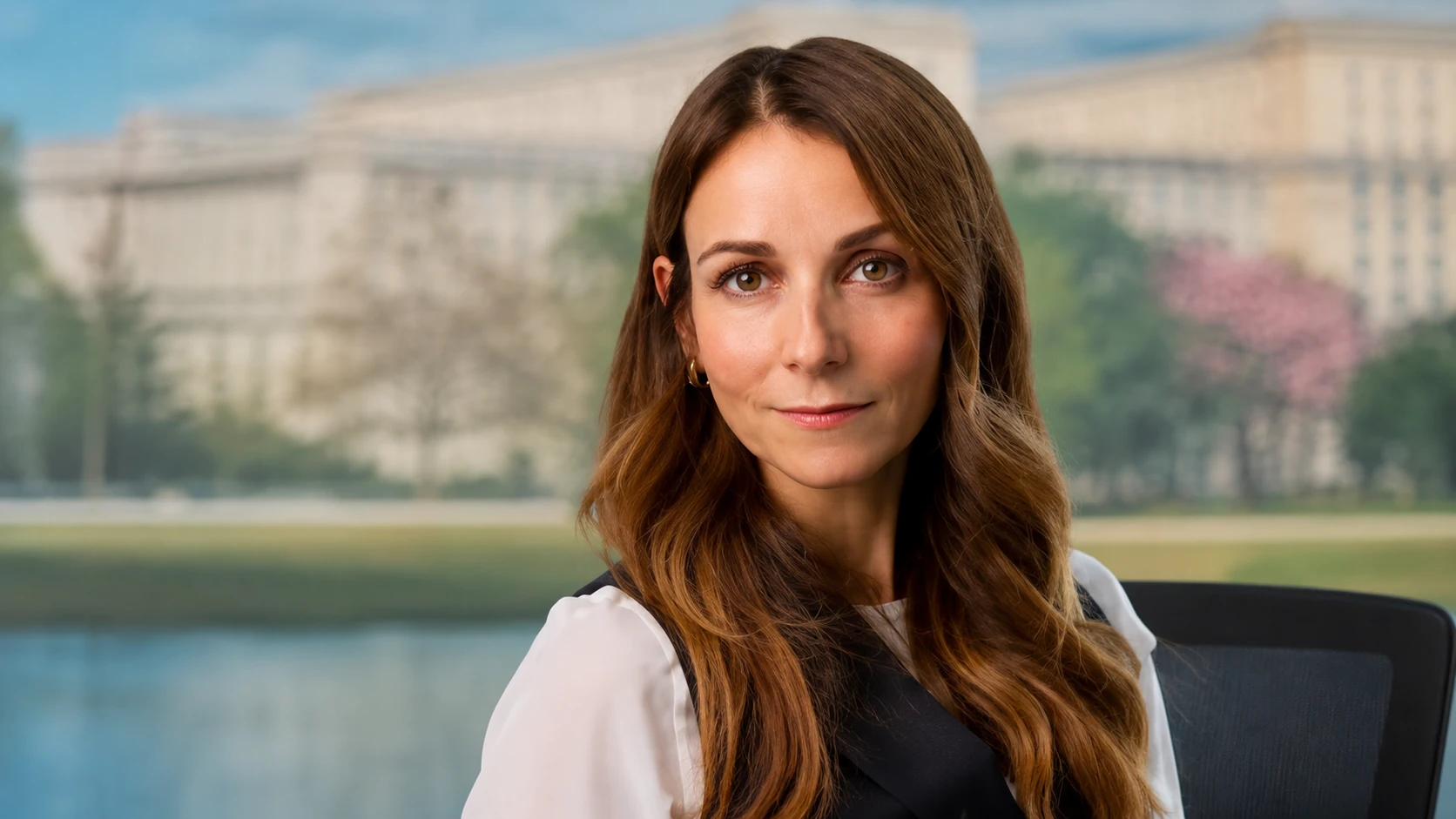
Annabel Denham has built a public profile through sharp political commentary, economic writing, and media appearances rather than celebrity culture, which helps explain why one of the most common online searches about her is also one of the hardest to answer plainly: how old is she? Unlike entertainers or public figures whose personal biographies are packaged and widely circulated, Denham’s life in the public eye has centered more on her ideas than her private details. She is known in Britain for her work as a political commentator, columnist, and editor, particularly through The Telegraph and earlier roles in policy and journalism, yet her exact age has not been publicly confirmed.
That gap has created understandable curiosity. Readers who see her on television, hear her on radio panels, or come across her writing often want the usual background details—age, family, education, career path, and personal life. But here’s the thing: Denham appears to have maintained a relatively private personal profile even as her professional influence has grown. The result is a biography shaped more by public record than by celebrity-style disclosure.
What can be traced with confidence is her career, her educational background, and the institutions that helped shape her voice. Annabel Denham’s story is one of journalism, policy advocacy, entrepreneurship, and political thought, and understanding that path offers a clearer picture than any unsupported age estimate.
Annabel Denham’s Age: What Is Actually Known
For those searching for a precise number, the direct answer is that Annabel Denham’s exact age or date of birth has not been publicly verified through reliable mainstream sources. No widely cited official biography, major newspaper profile, or confirmed public document appears to list her birth year. Some online biography sites speculate based on education and career timelines, but those estimates should be treated carefully.
This does not mean the information is unknowable; it simply means Denham has not made it a prominent part of her public identity. Many political journalists and commentators choose to foreground their work over personal biography, and Denham seems to fit that pattern. While speculative ranges sometimes place her in her thirties or early forties, such estimates remain unconfirmed.
The truth is, readers searching “annabel denham age” are often really asking a broader question: who is she, how did she rise in British media, and why does she matter? Those answers are much clearer than a guessed birthday.
Early Life and Family
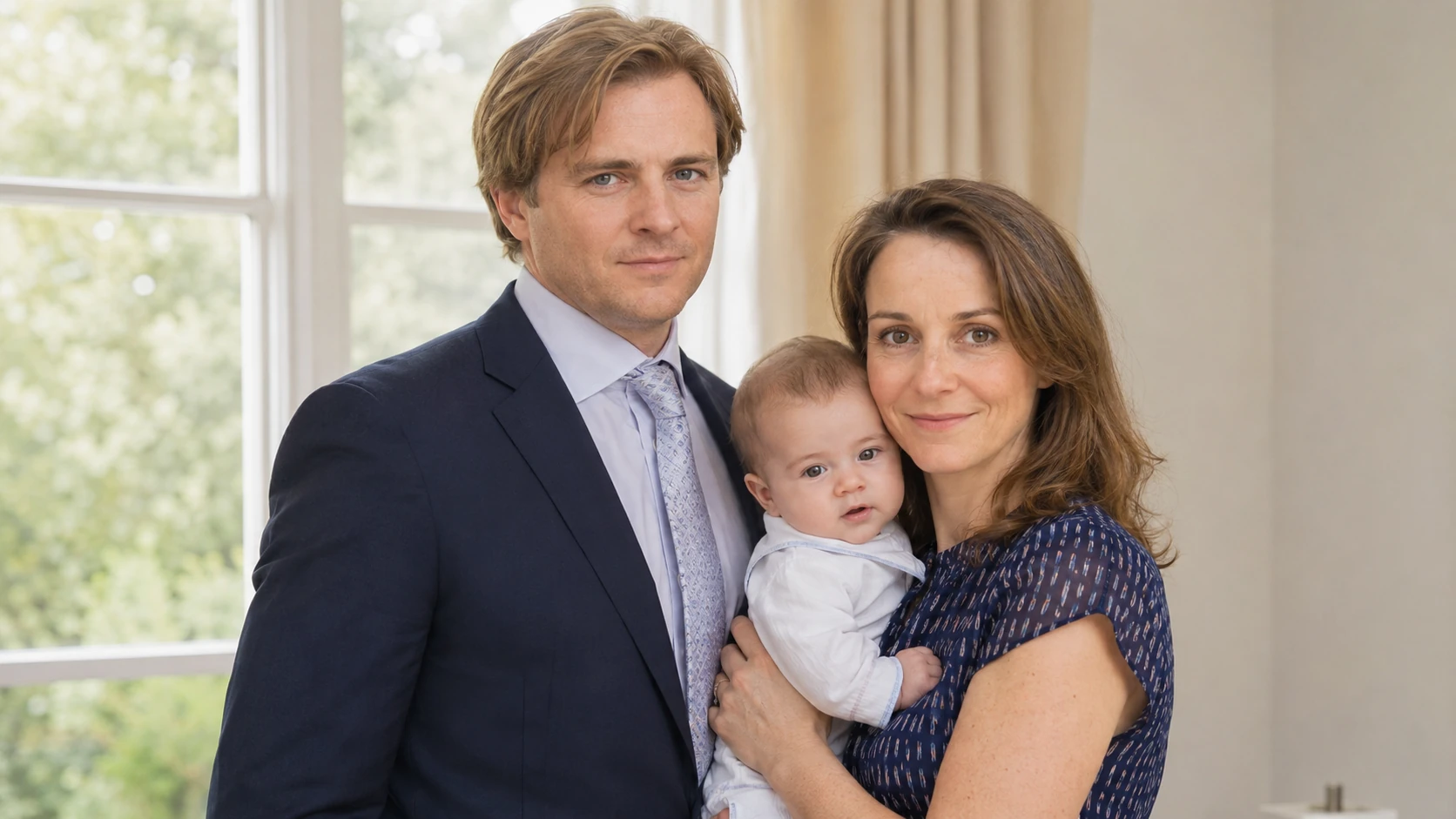
Compared with her professional life, Annabel Denham’s early family background has remained relatively private. Public-facing profiles tend to focus on her education and career rather than on detailed family history, parents, siblings, or childhood anecdotes. That is fairly common for journalists and policy commentators who are not public officeholders or entertainment figures.
What is known is that Denham was educated in Britain and later studied at the University of Manchester, where she pursued History and French. That academic combination suggests an early interest in politics, language, and broader social context—fields that align naturally with the kind of commentary work she later developed. A grounding in history often shapes political writers by giving them perspective on institutions, ideology, and national identity, and Denham’s later work often reflects that awareness.
Not many people know this, but educational choices can often reveal more about a future commentator than personal trivia does. In Denham’s case, her university background appears more relevant to her eventual career than the kind of headline-friendly biographical details that dominate celebrity profiles.
Education and First Professional Steps
The University of Manchester has produced many graduates who move into journalism, politics, and public policy, and Denham’s path seems to fit that broader pattern. Studying History and French would have offered both analytical training and communication skills—useful foundations for anyone entering political writing or media.
Her early career reportedly included parliamentary research, including work connected to Lord Peter Lilley, a former Conservative cabinet minister. That experience matters because it placed her close to political institutions before she became a more visible media figure. Parliamentary research roles often function as a bridge between academic understanding and real-world politics, giving future commentators firsthand exposure to policy debates, legislative systems, and ideological tensions.
From there, Denham’s career developed through media and policy organizations rather than through electoral politics itself. This distinction shaped her later reputation. She became known not as a politician, but as someone interpreting politics, markets, and public life.
Career in Journalism and Policy
Annabel Denham’s rise was gradual rather than explosive, built through a series of roles that collectively expanded her authority. She worked at City A.M., the London-based business-focused newspaper, where she contributed to economic and entrepreneurial coverage. City A.M. has long been associated with finance, business, and free-market discussion, making it a logical environment for someone with Denham’s policy interests.
Her time there positioned her within Britain’s business and economic media ecosystem. That said, her trajectory did not stop at journalism alone. She also became associated with The Entrepreneurs Network, where she worked on entrepreneurship policy, women in work, and business-focused initiatives including the Female Founders Forum.
This period was significant because it broadened her profile from journalist to policy advocate and communications strategist. She was no longer simply reporting on ideas; she was participating in organizations that shaped policy conversations. That experience gave her commentary a more institutional edge.
The Institute of Economic Affairs and Political Identity
A major turning point came when Denham joined the Institute of Economic Affairs (IEA) as Director of Communications in 2020. The IEA is one of Britain’s best-known free-market think tanks, associated with market liberalism, smaller government, and economic reform debates.
This role strengthened public perceptions of Denham as a commentator rooted in center-right or classical liberal economic thought. Working at the IEA did not just expand her profile; it linked her more visibly to a particular intellectual tradition in British public life. Think tanks often shape not only policy arguments but also media narratives, and Denham’s communications role placed her at the intersection of both.
What’s surprising is how effectively this institutional work translated into broader media presence. Rather than remaining behind the scenes, Denham increasingly emerged as a recognizable voice in British commentary.
The Telegraph and Mainstream Recognition

Annabel Denham’s association with The Telegraph significantly raised her national visibility. The Telegraph remains one of Britain’s major newspapers, especially influential among conservative and center-right readerships. Her progression there into senior editorial and commentary roles helped establish her as more than a policy communicator; she became a recognizable public commentator.
Her work has addressed politics, family policy, economics, work culture, entrepreneurship, and social trends. These are not fringe topics. They sit close to daily public concern, which helps explain why readers seek personal context about her.
Television appearances, including on Sky News and discussion panels, further expanded her audience. Once a writer becomes a visible media personality, search interest often broadens from ideas to biography. For Denham, that shift appears to have increased searches about her age, marriage, and broader personal life.
Writing Style and Public Voice
Denham’s public writing style tends to be direct, argumentative, and rooted in policy framing. She often writes from a perspective that combines economic reasoning with social commentary, especially around work, family, and government structures.
This matters because her appeal is partly intellectual and partly stylistic. Readers are not just encountering policy summaries; they are engaging with a point of view. That tends to deepen public curiosity about the person behind the opinions.
Many political commentators cultivate this kind of recognizable voice, but Denham’s background across journalism, think tanks, and entrepreneurship policy gives her commentary a particular shape. She often operates at the overlap of economic policy and everyday social life, which can make her writing accessible beyond purely political audiences.
Personal Life, Marriage, and Family
Publicly confirmed information about Annabel Denham’s romantic relationships, marriage status, or children appears limited. Unlike many television personalities or public entertainers, Denham has not prominently positioned her private life as part of her public brand.
That absence has led some online speculation, but there is no strong public basis for broad claims about a spouse or family structure unless Denham herself has discussed it in a reliable forum. This is an area where many low-quality profile sites often overreach, blending guesswork with assumptions.
The truth is, many journalists keep clear boundaries between their public work and private lives. Denham appears to be one of them. For readers, that means her professional life remains the clearest and most verifiable lens.
Estimated Net Worth and Income Sources
There is no publicly verified net worth figure for Annabel Denham from major financial reporting sources. Any estimate should therefore be treated as speculative. Her likely income sources include journalism, editorial leadership, media appearances, and prior policy or communications roles.
Senior commentators at national newspapers, especially those with broadcast appearances and prior executive communications positions, may earn across multiple streams, but exact figures are not publicly disclosed. Without direct financial reporting, assigning a net worth would risk overstating certainty.
But here’s the thing: for political journalists and commentators, influence often matters more than celebrity-style wealth metrics. Denham’s standing appears tied less to visible luxury branding and more to institutional credibility and media reach.
Public Image and Influence
Denham’s image is shaped largely by her work as a serious commentator rather than as a celebrity personality. She occupies a space where journalism, policy, and opinion intersect. That role can make a figure influential even without mass-pop fame.
She has become part of ongoing British conversations around economics, fertility, women’s work, state intervention, and public values. Whether readers agree with her or not, she has developed enough public visibility to become a searched figure beyond niche policy circles.
This kind of influence often grows steadily. It is less about one viral moment and more about repeated presence in respected institutions and media platforms. Denham’s career seems to fit that model.
Why Her Age Search Matters
Search interest in “annabel denham age” reflects how audiences now approach public figures. Once someone becomes a familiar byline or television face, biography searches become routine. Readers often want age not just out of curiosity, but to contextualize experience, generational perspective, and career pace.
In Denham’s case, however, the search also reveals the mismatch between public influence and personal privacy. She is visible enough to attract biography interest, but private enough that not every detail is publicly mapped.
That balance may actually strengthen her professional identity. By keeping focus on ideas and career rather than personality branding, she remains closer to the tradition of commentator than influencer.
Where Annabel Denham Is Now
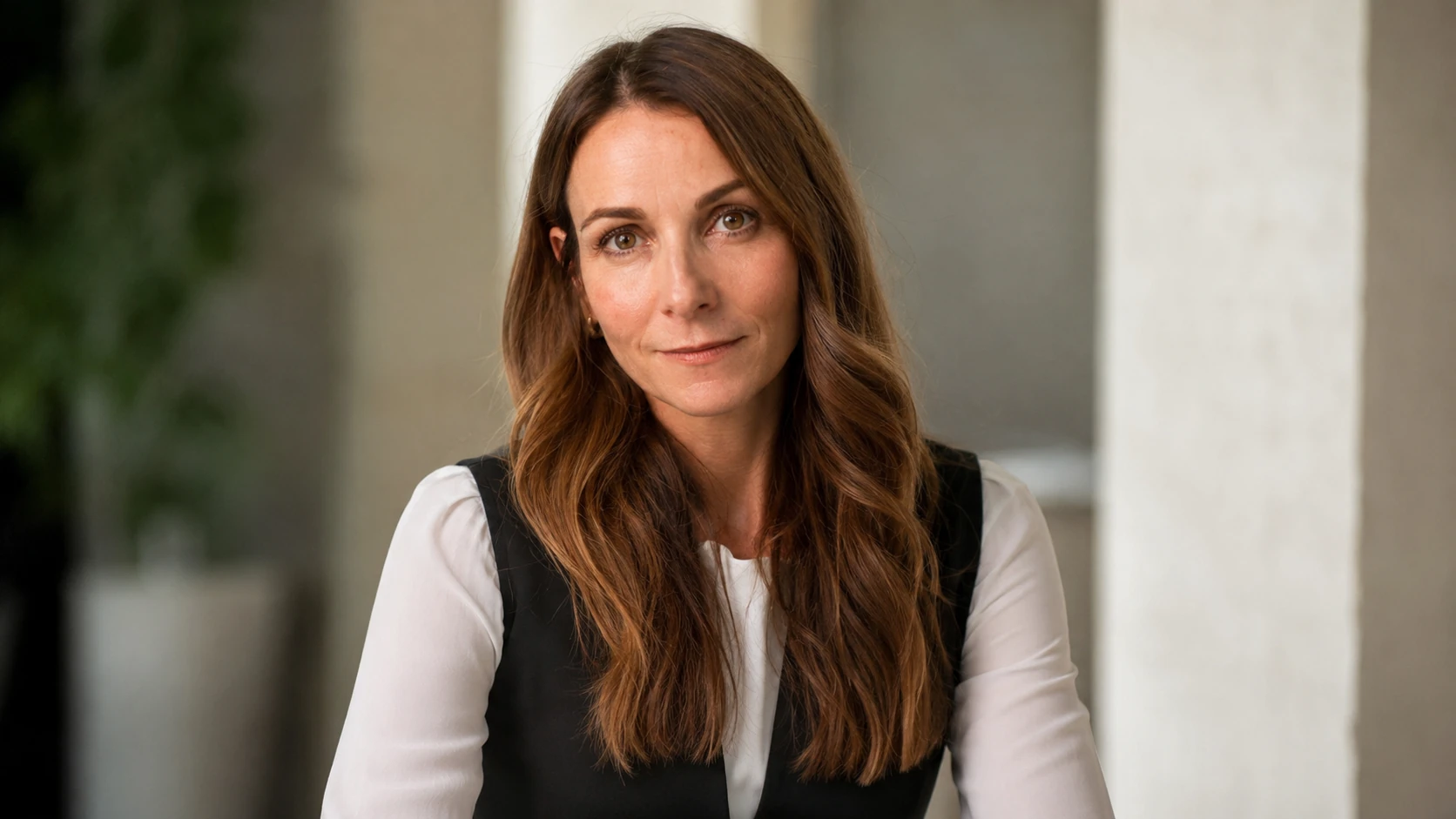
As of recent public profiles, Denham remains active in British media and commentary, particularly through The Telegraph and related public discourse. Her bylines and appearances suggest an ongoing role in shaping conversations around politics and social policy.
She appears to have successfully transitioned from entrepreneurship and think-tank spaces into broader national commentary. That progression is meaningful because it reflects a move from specialist circles to wider cultural relevance.
What’s surprising is how common this path has become for modern commentators. Institutional credibility, media adaptability, and a distinct voice can create public recognition without requiring celebrity culture. Denham’s profile reflects that shift.
Frequently Asked Questions
How old is Annabel Denham?
Annabel Denham’s exact age has not been publicly confirmed through widely reliable mainstream sources. While some websites speculate based on career history, there is no broadly verified public birth date available.
What is Annabel Denham known for?
She is best known as a British political commentator, columnist, and editor associated with The Telegraph, along with previous work in journalism, entrepreneurship policy, and think-tank communications.
Where did Annabel Denham study?
Publicly available profiles indicate that she studied History and French at the University of Manchester, a background that aligns with her later work in politics and commentary.
Has Annabel Denham worked in politics directly?
She has not been primarily known as an elected politician, but her early work included parliamentary research, and her later career involved policy institutions and political commentary.
Is Annabel Denham married?
There is limited publicly confirmed information about her marriage or family life. She appears to keep her private relationships largely out of public discussion.
What is Annabel Denham’s net worth?
No reliable public figure is confirmed. Any reported estimates should be treated cautiously unless supported by direct financial disclosures or credible reporting.
Why is there so much interest in Annabel Denham’s age?
As Denham’s public profile has grown through media appearances and national commentary, readers naturally seek more biographical context. Age is a common search query for visible commentators, even when it is not publicly confirmed.
Conclusion
Annabel Denham represents a kind of modern public figure whose influence rests on commentary, ideas, and institutional credibility rather than celebrity exposure. That makes her biography both easier and harder to trace. Her professional record is visible, but many personal details remain private.
For readers searching “annabel denham age,” the honest answer is less about a number and more about understanding the person behind the search. She is a British journalist, commentator, and policy voice whose career has crossed business media, entrepreneurship advocacy, think tanks, and national journalism.
Her story also says something larger about public life now. Visibility no longer always means full disclosure. A person can become nationally recognized through ideas while still keeping parts of their life outside public record.
That balance appears central to Denham’s profile. Her age may remain unconfirmed, but her place in British commentary is far easier to define.
