

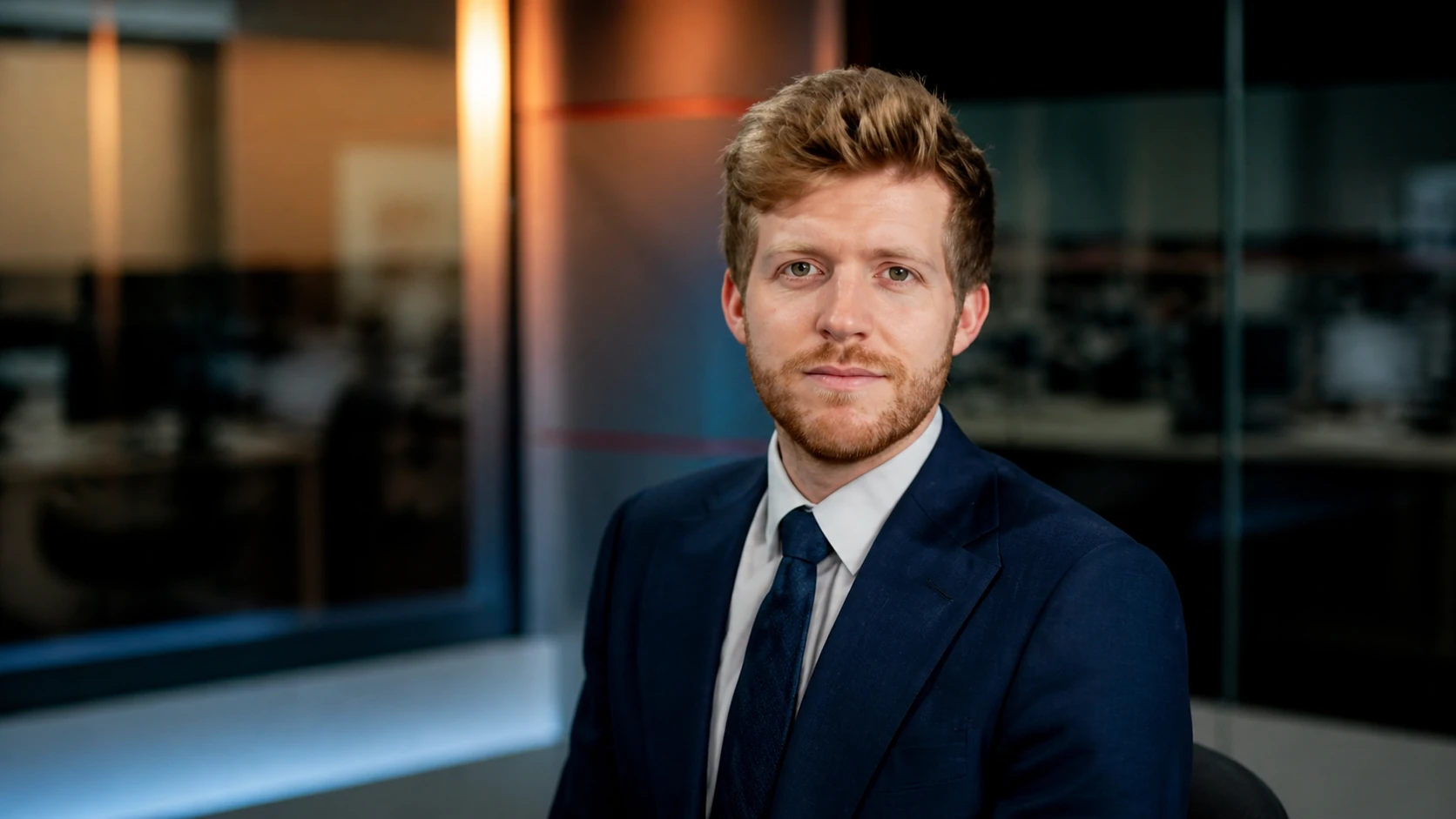
When Fred Dimbleby appeared on the BBC Sussex airwaves at the age of 18, few would have guessed the young broadcaster would make his way into the mainstream of British journalism. Coming from a famous media family, the surname alone sparked curiosity: was he just another legacy figure, or was he carving out a career of his own? It was a defining moment for Fred, as it revealed that his place in the world of journalism would not merely be defined by his family’s name, but by his commitment to engaging with serious, relevant stories and honing his craft.
Dimbleby, now a political correspondent at ITV News Calendar, has indeed made his mark—moving beyond the shadows of his family’s legacy and into a respected journalistic role. A son of David Dimbleby, the veteran BBC presenter best known for hosting Question Time, Fred’s own path in journalism had its first significant step as a second-year history student at Oxford University, where he held the role of editor at the university’s well-regarded student newspaper, Cherwell. His writing has since appeared in major outlets, including The Guardian. From early pieces on free speech to covering the local political landscape on ITV, Fred Dimbleby is no longer just the heir to the Dimbleby name—he’s a journalist in his own right, shaping his career with conviction, depth, and insight.
Early Life and Family
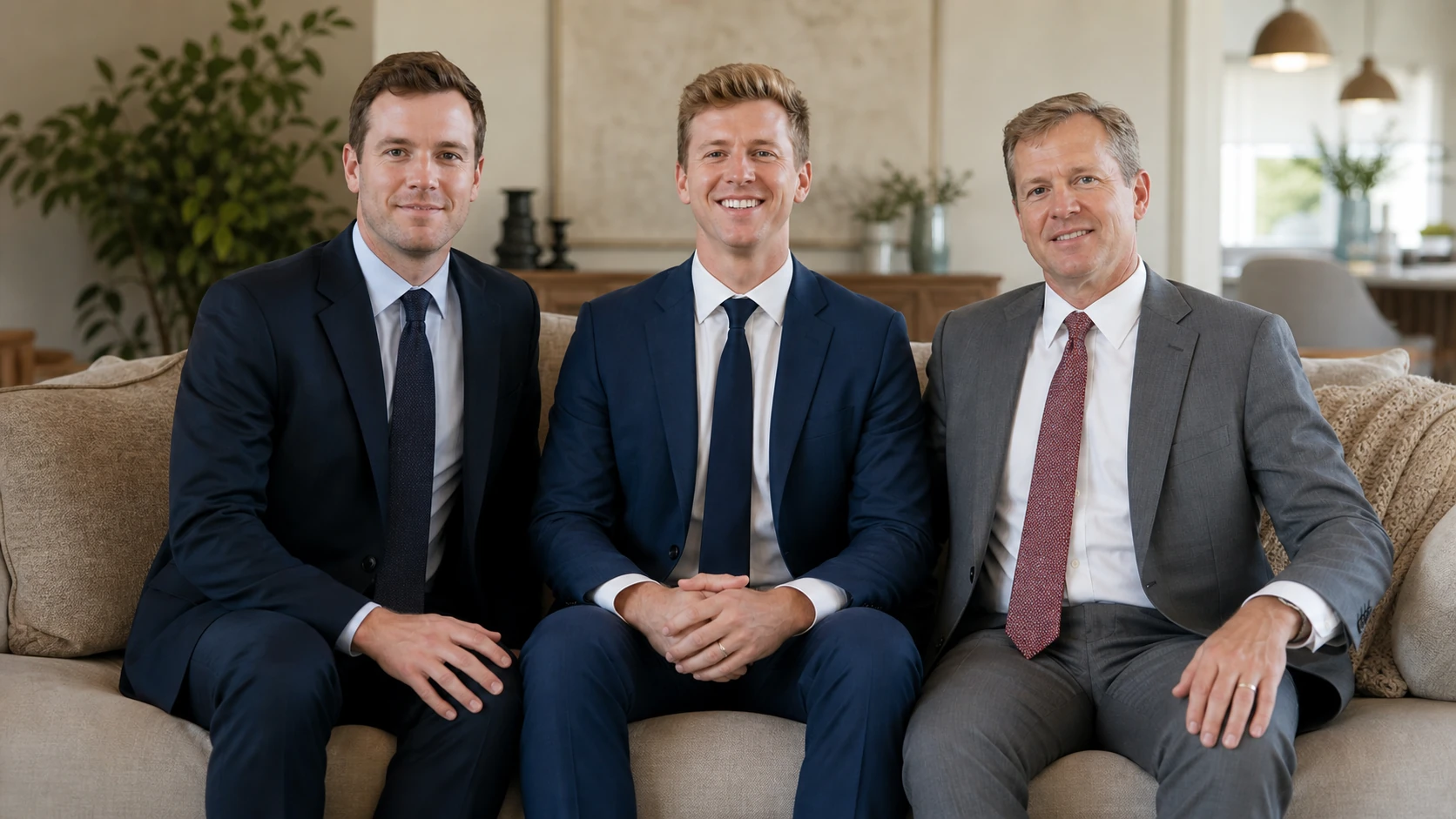
Fred Dimbleby was born into one of Britain’s most iconic media families. His grandfather, Richard Dimbleby, is widely remembered as one of the BBC’s first war correspondents and one of the pioneers of broadcast journalism. Richard’s calm voice informed the British public during pivotal moments of the Second World War, cementing the Dimbleby name as a symbol of broadcast integrity and authority. Richard’s work shaped how Britain consumed news and made a lasting impact on the world of journalism.
Fred’s father, David Dimbleby, continued that legacy, most notably as the host of Question Time, the BBC’s flagship political debate programme. Jonathan Dimbleby, Fred’s uncle, is a well-known broadcaster in his own right, having presented Any Questions? on BBC Radio 4 and later embarking on his own successful documentary career. Growing up surrounded by such high-profile figures, Fred had a front-row seat to the world of media and current affairs.
The weight of that surname is not one Fred Dimbleby could easily escape, nor would he want to. However, from the very beginning, he made it clear that while he respected the legacy of his forebears, his ambitions were his own.
Education and First Ambitions
Fred’s academic journey began at Brighton College, where his public speaking skills and interest in current affairs began to take shape. As a student, Fred actively engaged in the debate scene, which would later become a cornerstone of his career. In 2016, a BBC Sussex broadcast marked his first step into public broadcasting. At just 18, Fred presented a segment, demonstrating his potential in front of a live audience. The broadcast was pivotal, not only because of his youth but also because it showcased his ability to handle the pressure of live radio. The connection to his famous family was clear, but Fred demonstrated an emerging talent that would distinguish him as a future voice in journalism.
After completing his studies at Brighton College, Fred moved to Oxford University, where he pursued a history degree at Keble College. Oxford proved to be a formative period in Fred’s life. He quickly became involved in student journalism, eventually being appointed editor of Cherwell, the university’s independent student newspaper, in 2018. This role marked a key moment in his journey. Here, Fred honed his editorial and writing skills while covering a variety of topics, from campus politics to global issues, and developed a reputation for his sharp insights into the contemporary political landscape. His tenure at Cherwell also placed him in the media spotlight, setting the stage for his professional career in journalism.
Career Breakthrough
Fred’s career truly began to take off after he joined ITV News. His early experience at Cherwell gave him the tools to excel in the competitive world of broadcast journalism. Working as a multimedia producer at ITV, Fred gained valuable experience covering national politics and international events. His time in the national newsroom and in the Washington DC bureau helped him build a strong foundation in news production and reporting, exposing him to the fast-paced nature of political journalism.
In 2020, Fred transitioned to the role of political correspondent for ITV News Calendar, covering regional politics in Yorkshire, Lincolnshire, and surrounding areas. His work as a political correspondent focuses on the issues that matter most to the people in these regions—local elections, political rallies, public services, and regional economic policies. Reporting on such a broad range of topics gives Fred a unique insight into the ways national politics influence local communities.
One of Fred’s early big breaks came with his coverage of the Reform UK party during the 2024 election. As the political landscape in the UK shifted, Fred’s reporting on the rise of Reform UK provided essential analysis, explaining how this new political movement was reshaping the country’s political dynamics. Fred’s coverage of these developments, including interviews with key figures and on-the-ground reporting, garnered significant attention.
Major Works and Political Reporting
Fred’s work at ITV has included in-depth coverage of several high-profile political events and issues. His reporting on local elections in Yorkshire and Lincolnshire, for example, has placed him at the forefront of regional political coverage. Fred has shown his ability to balance the big-picture national implications of local politics with granular, community-level issues. Whether he’s discussing the implications of council tax hikes in Wakefield or following up on major infrastructure projects in Leeds, Fred’s reports give viewers a deeper understanding of the ways national policies filter down to local governments.
Fred has also covered national political developments, including party leadership races, economic crises, and public service reforms. His work on ITV’s political program Last Orders has seen him step into the presenter’s chair, guiding discussions about hot-button issues such as AI, climate change, and the rising influence of populist politics. As a political correspondent, Fred has not only reported on these topics but has also engaged with them in a way that challenges the status quo, asking difficult questions and encouraging meaningful debates.
Fred’s versatility as a journalist shines through in his wide range of coverage. Whether he’s reporting from the heart of a Reform UK rally in Leeds or hosting a political debate on Last Orders, Fred’s work has continued to garner attention for its depth, clarity, and relevance.
The Dimbleby Family Connection and Public Image
Fred’s connection to the Dimbleby family is not only an important aspect of his career but also a focal point of public interest. While he has repeatedly stated that he is his own person and that his career in journalism is built on his own merit, it’s undeniable that the Dimbleby name has brought attention to his work from the outset.
There has been much public discussion about what it means to carry the Dimbleby name in the competitive world of journalism. For many, the association suggests privilege, inherited access, and a certain level of preordained success. Fred himself has responded to this with a quiet determination to prove himself, demonstrating that the Dimbleby name alone cannot guarantee professional success. Instead, it is his hard work, dedication, and commitment to delivering compelling, insightful journalism that will define his legacy.
Fred’s work has been recognized by peers, and while he has been praised for his insightful political reporting, it’s clear that his career is only just beginning. The challenge for Fred Dimbleby is not just to build on the legacy of his family name but to carve out his own identity in the world of political journalism, all while navigating the expectations that come with being a member of one of the most famous media families in the UK.
Public Service and Charity Involvement
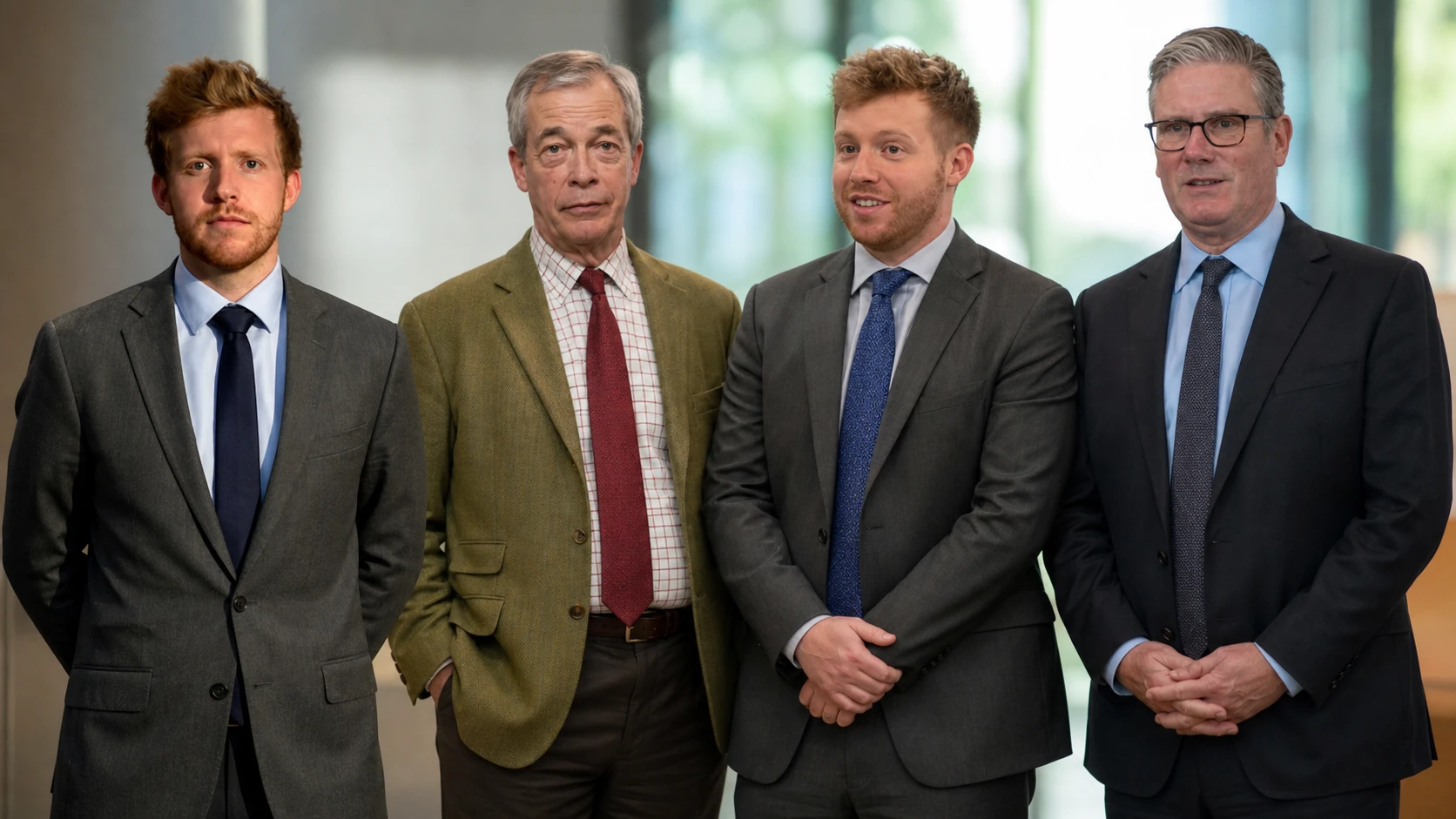
Beyond his work in the media, Fred is also involved in public service. He is a trustee of the Richard Dimbleby Cancer Fund, a charity established in 1966 after the death of his grandfather, Richard Dimbleby, from cancer. The fund’s mission is to support people living with cancer in the UK, and Fred’s involvement highlights his commitment to giving back to the community.
As a trustee, Fred has contributed to the charity’s efforts to provide information and support for cancer patients, a cause that has deep personal significance for the Dimbleby family. The charity also runs Cancer Care Map, an online resource designed to help individuals find cancer care services in their area.
Fred’s role at the Richard Dimbleby Cancer Fund shows that, like his grandfather and father before him, he understands the value of public service and the impact that media and charitable work can have on society.
What’s Next for Fred Dimbleby?
As Fred Dimbleby continues to carve his own path in journalism, the future looks bright. His reporting on regional politics and national issues has already set him apart as a thoughtful, capable journalist. What comes next for Fred is unclear, but it’s evident that his career will continue to evolve. Whether he remains in regional political reporting or moves on to greater national prominence, Fred Dimbleby has shown that he is ready to take on the challenges that lie ahead.
His work at ITV has positioned him as one of the rising stars in British political journalism. As political developments continue to unfold, Fred’s insightful, clear-eyed analysis will likely become an even more vital part of the UK’s media landscape.
Frequently Asked Questions
Is Fred Dimbleby related to David Dimbleby?
Yes, Fred Dimbleby is the son of David Dimbleby, the long-time host of Question Time. Fred also comes from a famous family of broadcasters, including his uncle Jonathan Dimbleby, who has had a successful career in broadcasting and documentary filmmaking. Fred’s grandfather, Richard Dimbleby, was a pioneer of broadcast journalism in the UK.
What is Fred Dimbleby’s career at ITV?
Fred Dimbleby is a political correspondent for ITV News Calendar. His coverage focuses on regional political issues, particularly those affecting Yorkshire and Lincolnshire. He also appears on ITV’s Last Orders, where he leads discussions on various political and social issues. His work includes reporting on local elections, party campaigns, and public service issues.
What did Fred Dimbleby study at Oxford?
Fred Dimbleby studied history at Oxford University, where he was also involved in student journalism. He served as the editor of Cherwell, the independent student newspaper, in 2018, which provided a solid foundation for his later work in broadcast journalism.
Does Fred Dimbleby have a family connection to charity work?
Yes, Fred Dimbleby is a trustee of the Richard Dimbleby Cancer Fund, a charity established in memory of his grandfather, Richard Dimbleby. The charity supports people living with cancer and provides a range of services, including Cancer Care Map, an online resource that helps individuals find local cancer care services.
What is Fred Dimbleby’s relationship with the Dimbleby family legacy?
While Fred Dimbleby is proud of his family’s legacy in British broadcasting, he is committed to building his own career based on his journalistic work. His reporting for ITV News Calendar and other outlets demonstrates his ability to engage with complex political issues and challenges, carving out his own identity in the media world.
How can I watch Fred Dimbleby’s work?
Fred Dimbleby’s work can be seen on ITV News Calendar, where he reports on regional politics and national political developments. He also contributes to Last Orders, a political programme on ITV, where he leads discussions on various current affairs topics.
Conclusion
Fred Dimbleby has emerged as a prominent voice in British journalism, with a career shaped by both his family legacy and his own talents. Whether covering local elections or leading political debates, Fred is proving that the Dimbleby name carries not just a legacy but a continued commitment to the craft of journalism. As his career progresses, Fred is sure to remain a figure of interest in the media world, offering fresh perspectives on the political landscape.
