

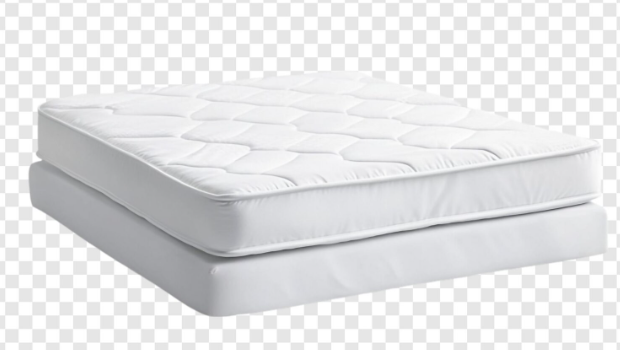
In the UK bedding market, price tags vary wildly. A consumer browsing online can find a boxed memory foam mattress for £300, while stepping into a high-street department store reveals handcrafted pocket-spring models priced between £1,000 and upwards of £5,000.
This massive price spread creates confusion. What actually separates an entry-level mattress from a luxury model? Are four-figure price tags driven by genuine material costs and labor-intensive engineering, or are buyers simply paying for high-profile marketing campaigns and brand prestige?
Achieving true pricing transparency requires dissecting the manufacturing economics, raw material tiers, and longevity metrics of premium British bedmakers. By evaluating the structural benchmarks outlined in the 2026 Hypnos mattress price list, buyers can see exactly how engineering complexity converts into long-term financial value.
Anatomy of a Price Tag: What You Are Paying For
When evaluating a mattress purchase, the retail price reflects four main operational categories:
[ Mattress Retail Price Breakdown ]
│
┌───────────────────────────┼───────────────────────────┐
▼ ▼ ▼
[ Raw Materials ] [ Craftsmanship ] [ Logistics & Safety ]
– Cashmere, Wool, Silk – Hand-side stitching – CRIB 5 compliance
– Pocket spring steel – Physical hand-tufting – Nationwide delivery
1. Raw Filling Materials (Synthetic vs. Traceable Naturals)
The single largest driver of manufacturing cost is internal upholstery:
- Low-End (£200 – £500): Relies on synthetic polyurethane foam, polyester white fibers, or recycled fiber pads. These petroleum-based materials are inexpensive to mass-produce but trap heat and degrade within a few years.
My Next Mattress - Mid-Tier (£600 – £1,200): Combines basic pocket spring units with synthetic comfort layers or lower-density wool blends.
MattressNextDay - Luxury Tier (£1,200 – £3,500+): Utilizes 100% natural, ethically sourced fibers—such as British wool certified by Red Tractor, organic cotton, Mongolian cashmere, and Pashmina. These materials are naturally thermoregulating, inherently fire-retardant, and maintain resilience over a decade.
My Next Mattress+ 1
2. Spring Engineering and Turn Count
Cheap mattresses use open-coil (Bonnell) systems where springs are wired together, transferring motion across the bed. Premium beds feature independent pocket springs.
Price varies based on spring counts (e.g., 1,000 vs. 3,000+ micro-spring tiers) and coil turn ratios. A “7-turn” or “9-turn” ReActive™ spring coil requires more steel and intricate heat-treating, providing initial softness at the top of the spring and firmer support deeper down.
3. Manual Craftsmanship vs. Automated Assembly
Machine-glued foam beds roll off automated conveyor belts in seconds. In contrast, a luxury British pocket spring mattress requires hours of skilled manual labor. Features like hand-side stitching—where a craftsman passes a needle through the side walls to secure the perimeter springs—can take up to two hours per mattress, preventing edge collapse without using synthetic foam surrounds.
The 2026 Price Spectrum: Standard Tiers for British Craftsmanship
To help buyers gauge value, major British heritage manufacturers like Hypnos structure their pricing across three primary product tiers:
My Next Mattress
| Pricing Tier | Typical RRP Range (King Size) | Core Material Specifications | Target Lifespan |
| Entry-Level Orthopedic | £600 – £1,000 | High-gauge pocket springs, cotton/eOlus™ comfort layers, hand-tufted finish. | 7 – 8 Years |
| Core Natural Comfort (e.g., Wool Origins) | £1,200 – £2,200 | Multi-turn pocket springs, 6–8 fleeces of pure British wool, hand-stitched borders. | 10 – 12 Years |
| Ultra-Luxury / Bespoke Collections | £2,500 – £5,000+ | Multi-tier pocket springs, cashmere, silk, alpaca, hand-sewn pillow tops, 3+ rows of hand-side stitching. | 12 – 15 Years |
Evaluating the “Cost-Per-Night” Metric
While spending £1,500 on a handcrafted king-size mattress represents a significant upfront capital outlay, analyzing the purchase through a Cost-Per-Night (CPN) lens reveals its practical economy compared to cheap, disposable bedding.
[ 10-Year Cost-Per-Night Comparison ]
│
┌─────────────────────────┴─────────────────────────┐
▼ ▼
[ £400 Budget Synthetic Foam ] [ £1,400 Handcrafted Wool Bed ]
– Replaced every 3 years – Lasts 10 years comfortably
– 3 mattresses over 10 years = £1,200 – 1 mattress over 10 years = £1,400
– CPN: ~33p per night – CPN: ~38p per night
(Low support, high landfill waste) (Optimal posture, 100% natural)
- The Budget Trap: A £400 synthetic foam mattress typically degrades within 3 years due to heat breakdown and central sagging. Over a 10-year period, replacing that mattress three times costs £1,200, yielding a CPN of approximately 33p per night while delivering inferior support and generating non-recyclable landfill waste.
- The Premium Investment: A £1,400 natural wool pocket-spring mattress maintains its structural integrity and posture support for 10 full years. The total cost breaks down to 38p per night—a marginal difference of 5p per night for vastly superior sleep ergonomics, temperature control, and sustainable materials.
Mattressman
How to Spot Genuine Value: A Buyer’s Checklist
To ensure your investment delivers true value rather than inflated retail margins, apply this four-point verification check before purchasing:
- Verify Material Weight & Fillings: Ensure the manufacturer lists specific filling quantities (e.g., “8 fleeces of wool”) rather than vague descriptors like “contains natural fillings.”
The Bed Specialist - Check the Fire Safety Method: Look for natural fire retardancy (achieved via wool layers) rather than chemical spray treatments.
- Examine the Guarantee Terms: Reputable manufacturers offer 10-year full guarantees rather than pro-rated warranties that lose value over time.
Conclusion: Pay for Engineering, Not Gimmicks
In today’s bedding market, transparency is key. While budget foam beds offer low initial prices, they carry high long-term replacement costs. By investing in proven British craftsmanship, natural traceable fibers, and durable spring architecture, UK buyers secure a lower cost-per-night value alongside a healthier, more restorative sleep environment.
