

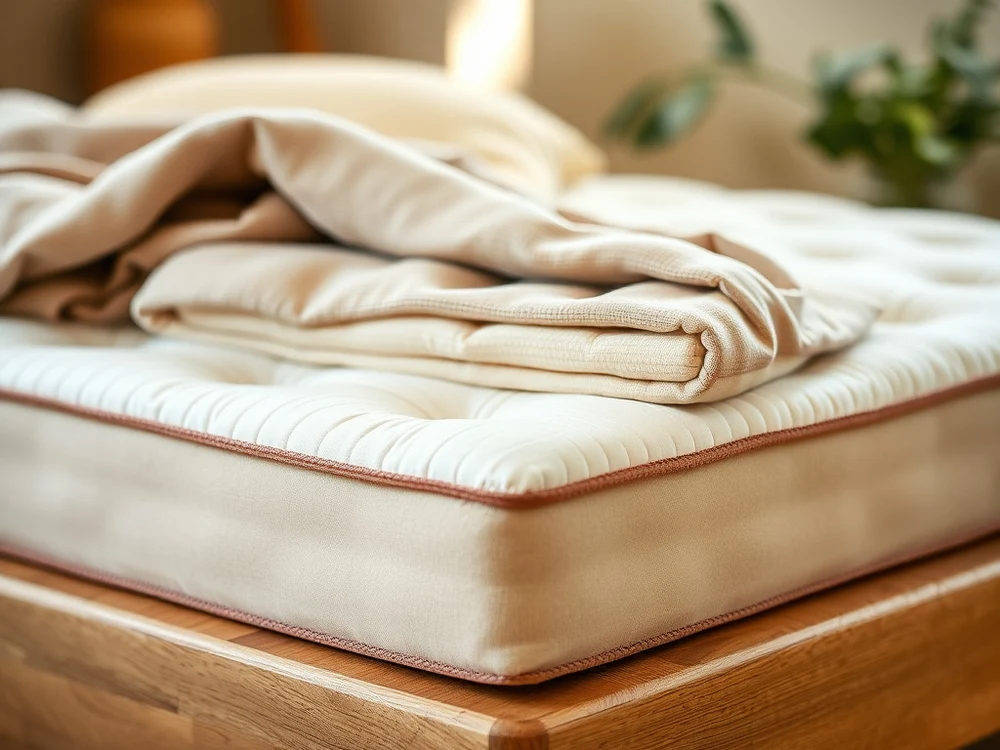
In an era dominated by synthetic foams, high-tech cooling gels, and petroleum-based memory materials, a surprising shift is occurring across the global bedding industry. Modern consumers, wellness experts, and sleep scientists are increasingly turning back to one of humanity’s oldest natural fibers: pure wool. When combined with targeted orthopaedic spring systems, wool-filled mattresses offer a unique synergy of physiological support, temperature regulation, and clean indoor air quality.
Sleep is no longer viewed merely as a passive period of rest, but as an active, restorative physiological state critical for immune function, cellular repair, and musculoskeletal recovery. For individuals suffering from chronic back pain, joint stiffness, or nocturnal overheating, the surface upon which they spend one-third of their lives plays a vital role in long-term health. Understanding the health case for wool-filled orthopaedic mattresses reveals why natural fibers continue to outperform synthetic alternatives in modern sleep environments.
1. Ergonomic Support and Spinal Alignment
The core purpose of any orthopaedic mattress is to maintain neutral spinal alignment throughout the night. When your mattress is too soft, your pelvis sinks excessively, pulling the lumbar spine out of alignment and causing morning stiffness. Conversely, an overly rigid mattress creates pressure points at the hips and shoulders, restricting localized blood circulation and prompting frequent tossing and turning.
True orthopaedic support requires a dual approach: a resilient, high-tension spring core to support major skeletal mass, paired with a adaptive cushioning layer to absorb body contours.
How Wool Enhances Orthopaedic Performance
Unlike synthetic memory foam—which relies on body heat to soften and sink—wool fibers possess a natural three-dimensional helical crimp. This molecular structure acts like millions of microscopic springs, providing springy, reactive push-back under pressure.
- Even Weight Distribution: Wool fibers flex under weight and immediately bounce back, distributing body mass across a wider surface area without bottoming out.
- Pressure Point Relief: By cradling the contours of the body without collapsing, wool alleviates deep pressure on joint capsules, lower lumbar vertebrae, and shoulder joints.
- Uninhibited Movement: Because wool does not create a deep “sink hole” like dense memory foam, micro-adjustments during sleep require far less muscular effort, preventing mid-night awakenings.
2. Thermoregulation: The Biological Key to Deep Sleep
One of the greatest obstacles to uninterrupted restorative sleep (particularly Stage 3 deep NREM sleep) is thermal discomfort. Human core body temperature naturally drops during sleep, signalling the brain to initiate metabolic repair cycles. If a mattress traps ambient body heat, your physiological cooling mechanism is disrupted, leading to light, fragmented sleep.
Synthetic foams are dense insulators that reflect body heat back toward the sleeper. Wool, on the other hand, is nature’s most sophisticated temperature-regulating material.
+———————————————————————————+
| THERMAL PERFORMANCE COMPARISON |
+————————–+—————————-+————————-+
| FIBER PROPERTY | PURE NATURAL WOOL | SYNTHETIC MEMORY FOAM |
+————————–+—————————-+————————-+
| Moisture Management | Absorbs up to 30% weight | Traps surface moisture |
| Airflow & Breathability | High natural porosity | Low internal airflow |
| Temperature Regulation | Cool in summer / Warm in winter | Retains ambient heat |
| Static Charge | Naturally anti-static | Prone to static build-up|
+————————–+—————————-+————————-+
Moisture Wicking and Latent Cooling
Wool fibers feature a hydrophobic (water-repelling) outer membrane and a hydrophilic (water-attracting) inner core. During the night, the human body naturally releases up to half a liter of moisture vapor. Wool absorbs this moisture vapor directly into its core without feeling damp to the touch, releasing it outward through natural convection. By keeping the microclimate around your skin dry, wool actively prevents nighttime chills and overheating alike.
3. Allergy Relief and Respiratory Health
Indoor air quality and mattress hygiene directly impact respiratory wellness. Standard synthetic mattresses can become breeding grounds for dust mites, fungal spores, and bacteria due to accumulated sweat and trapped humidity.
For individuals suffering from asthma, seasonal allergies, or eczema, a wool-filled orthopaedic mattress serves as a natural defensive barrier:
- Dust Mite Prevention: Dust mites thrive in warm, humid environments. Because wool dissipates moisture so effectively, it creates a dry micro-environment where dust mites cannot easily survive or reproduce.
- Naturally Hypoallergenic: High-grade, processed fleece contains negligible lanolin and is completely inert, eliminating typical protein allergens found in untreated animal products.
- Chemical-Free Fire Resistance: Wool contains high levels of nitrogen and water, making it inherently flame-retardant. While synthetic mattresses often require chemical flame-retardant treatments (such as organophosphates), pure wool mattresses meet strict safety standards naturally.
4. Craftsmanship in Action: The Hypnos Wool Ortho Model
When evaluating how natural wool and structural support come together in modern manufacturing, British bedmaking offers prime examples of traditional hand-tailoring. A notable benchmark in this category is the Hypnos Wool Ortho at MattressNextDay, which highlights the functional health benefits of combining natural fibers with dedicated orthopaedic engineering.
Engineering Meets Sustainable Heritage
Hypnos utilizes 100% British wool sourced from Red Tractor-assured farms, ensuring ethical animal husbandry and full supply chain traceability. In an extra-firm orthopaedic configuration, natural wool layers perform critical functions:
- ReActive™ Pocket Springs: High-tension pocket springs operate independently, isolating movement while offering firm, targeted resistance to the spine.
- Hand-Tufted Wool Layers: Tufting pulls the internal wool fillings securely through the mattress core, preventing shifting or bunching over time and maintaining uniform firmness across the entire sleeping surface.
- Breathable Belgian Damask Cover: Wrapped in a chemical-free woven damask, the outer layer allows maximum airflow to complement wool’s natural breathability.
Selecting a handcrafted build like the Hypnos Wool Ortho ensures that structural firm support does not come at the cost of surface comfort or breathability.
5. Long-Term Durability and Environmental Wellness
A health-conscious buying decision extends beyond immediate physical comfort; it encompasses the environmental quality of your living space over time. Synthetic mattresses suffer from mechanical degradation (sagging and foam softening) within 3 to 5 years, which progressively degrades spinal support.
Resisting Compression and Sagging
Wool fibers possess exceptional elastic memory. Even under constant nocturnal pressure, wool crimp structures retain their loft and spring resilience far longer than synthetic poly-foams. Regular rotation of a wool mattress distributes surface wear evenly, preserving orthopaedic firmness for many years.
Zero Off-Gassing for Cleaner Bedrooms
New synthetic mattresses frequently emit Volatile Organic Compounds (VOCs)—a process commonly known as “off-gassing.” These airborne chemicals can cause mild upper respiratory irritation, headaches, and disrupted sleep in sensitive individuals. Pure wool-filled mattresses contain zero petroleum derivatives, ensuring clean, toxin-free air quality in your master bedroom from day one.
Final Health Considerations
Investing in a wool-filled orthopaedic mattress is an investment in long-term physical wellbeing. By combining firm, anatomically correct spinal support with the natural thermoregulatory and hypoallergenic properties of pure wool, sleepers can enjoy deeper, uninterrupted REM and NREM cycles.
Whether you are seeking relief from chronic spinal strain, looking to eliminate night sweats, or simply upgrading to a cleaner, chemical-free home environment, the fusion of traditional wool craftsmanship with modern orthopaedic engineering remains one of the most effective paths toward restorative health.
