

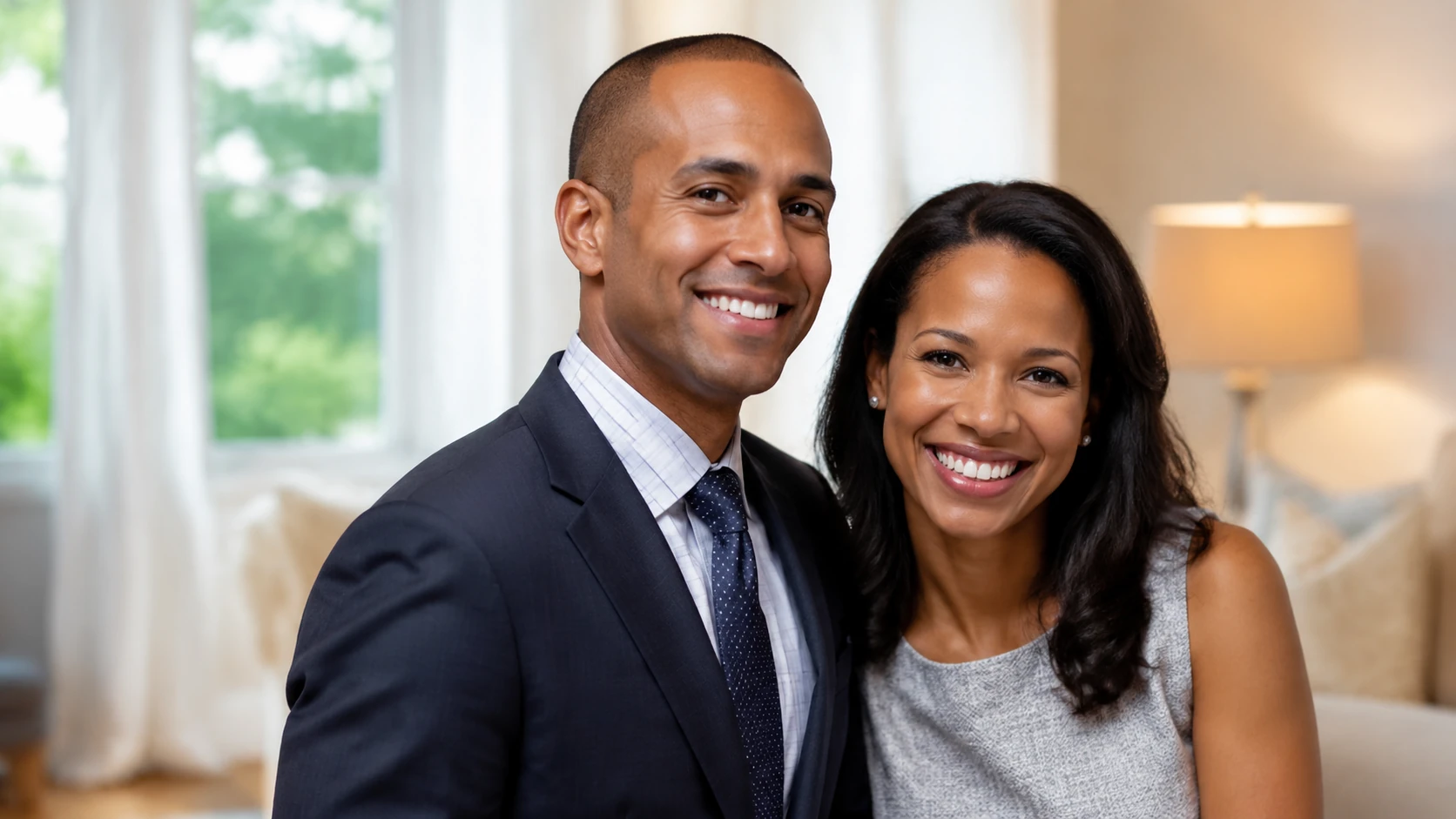
On a June afternoon in 2012, a quiet street in Chicago became, for a moment, the center of curious eyes and whispered questions. Among the invited guests at a wedding that blended family, ambition, and old friends was Barack Obama, then President of the United States, strolling down from his Kenwood home to a backyard reception. The bride, Laura Jarrett, had introduced the world to her life as a rising lawyer and journalist; the groom, Tony Balkissoon, was from a different orbit—equally accomplished though far less known outside legal circles. That marriage, a partnership rooted in shared intellectual ambition as much as personal affection, marked only the visible milestone in a life built far from the glare of headlines but deeply grounded in law, justice, and service.
In the years since, Balkissoon has rarely sought public attention, choosing instead to focus on the kind of legal work that shapes lives more than limelight. He is a civil‑rights attorney and appellate litigator whose career has moved from federal clerkships to courtroom victories for those harmed by injustice. The details of his work reveal a lawyer committed to principles often invisible to popular culture but essential in law’s impact on human lives.
Early Life and Family Roots
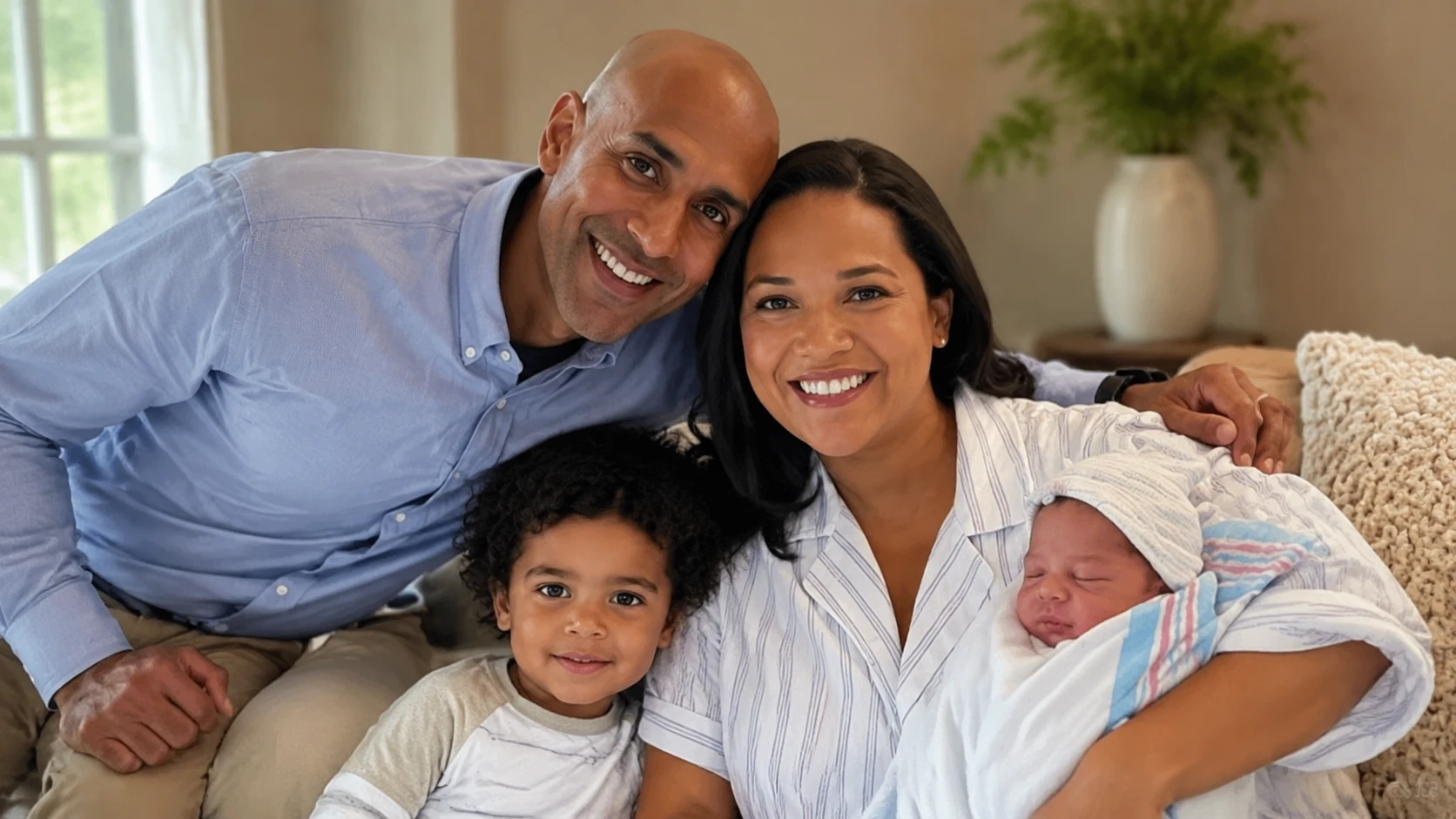
Tony Balkissoon’s story begins in Scarborough, Ontario, a suburban district east of Toronto where he was raised in a family involved in public service. His father, Bas Balkissoon, served as a Liberal member of the Legislative Assembly of Ontario, representing Scarborough–Rouge River from 2005 to 2016. Bas’s career included roles as Deputy Speaker and Chair of the Committee of the Whole House, positions that gave young Tony a close view of public policy, community leadership, and civic responsibility.
These formative years in Canada were shaped by political discourse and community engagement. While details about his mother are less public, the family environment emphasized the practical influence of law and governance. Tony grew up with an awareness that legal structures matter—that they can both protect and fail citizens, depending on how they are interpreted and applied.
Education and Early Ambitions
After completing his earlier schooling in Ontario, Balkissoon pursued a Bachelor of Applied Science in Engineering Science at the University of Toronto, graduating with honors. This scientific and analytical training sharpened his capacity to examine complex problems, a skill that would later serve him in legal reasoning and argument.
His transition to law came through one of the most competitive legal programs in North America: Harvard Law School. There, he earned his Juris Doctor degree cum laude—a distinction that reflected both academic achievement and the intellectual rigor he brought to legal study. During his time at Harvard, he met Laura Jarrett, a fellow law student whose own trajectory would intertwine with his in career and family. Their connection rooted in shared intellectual curiosity, discipline, and an understanding of law as both theory and practice.
From Clerkships to Civil Rights Litigation
Law school opened doors, but Balkissoon’s early professional steps laid a foundation for a career far from routine practice. Upon graduating from Harvard, he secured prestigious federal clerkships—first with Judge Manish S. Shah of the U.S. District Court for the Northern District of Illinois and later with Judge Ann Claire Williams on the U.S. Court of Appeals for the Seventh Circuit. These roles placed him inside the judicial decision‑making process, exposing him to procedural subtleties, appellate briefing, and the way legal arguments are framed before judges.
Clerkships often shape a lawyer’s perspective on litigation, discretion, and the strategic presentation of legal issues. For Balkissoon, they provided both a technical foundation and a broader understanding of how civil rights and constitutional protections play out across the federal system.
After clerkships, his career moved into hands‑on advocacy. He joined Loevy & Loevy, a Chicago‑based civil‑rights firm known for taking up complex civil liberties cases. There, he was part of trial teams that secured major jury verdicts for clients who had been wrongfully convicted, including multimillion‑dollar compensatory awards. These cases often involved long‑overlooked evidence, prosecutorial misconduct, or systemic failures—all of which require meticulous research and legal strategy to present effectively to juries and judges.
Wrongful‑Conviction Advocacy and Appellate Work
Balkissoon’s approach to law has centered less on headline cases and more on substantive legal change. At Loevy & Loevy, he worked on wrongful‑conviction cases that resulted in significant jury awards—$22 million and $15 million for different clients whose convictions were overturned after evidence of innocence or procedural harm. Balkissoon was part of the teams that not only won those verdicts but also defended them in subsequent appeals, demonstrating a tenacity in legal challenges from trial through higher courts.
He also participated in appellate advocacy before the Supreme Court. One significant example was his involvement in Thompson v. Clark, a case that clarified the standards for malicious‑prosecution claims under Section 1983 by confirming that plaintiffs need only show that their criminal cases ended without conviction for a civil suit to proceed—rather than requiring evidence that a criminal dismissal affirmed innocence. This shift removed a procedural barrier that had blocked many civil rights claims, expanding access to remedies for wrongful prosecutions.
Leadership in Legal Education
In February 2020, Balkissoon took on a different role in legal influence by joining John Jay College of Criminal Justice in New York as Vice President and Executive Counsel. John Jay, a public college within the City University of New York system, is known for its focus on criminal justice, law enforcement training, and public policy. In this institutional leadership role, Balkissoon advised the college president on litigation, compliance, faculty matters, and broader governance issues. He also helped lead initiatives tied to criminal justice reform and academic leadership.
This chapter of his career blended his litigation experience with administrative strategy, offering a platform to shape legal education and institutional policy. Though this role was less visible than courtroom advocacy, it reflected a deepening commitment to legal systems, not just individual cases.
A Return to Litigation at NSBHF
In January 2024, Balkissoon returned to full‑time litigation as counsel at Neufeld Scheck Brustin Hoffmann & Freudenberger, a New York law firm with a strong record in civil‑rights and wrongful‑conviction cases. The firm is small by name but national in scope, focusing on federal Section 1983 claims, police misconduct, and constitutional litigation. Balkissoon’s role there centers on drafting complex pleadings, strategizing appeals, and carrying forward the type of civil‑rights work he has long pursued. +1
At NSBHF, he’s among lawyers committed to holding institutions accountable for rights violations and seeking redress for clients whose lives have been upended by systemic failures. His work spans federal jurisdictions, requiring an understanding of appellate procedures and constitutional doctrines that frame how civil liberties are enforced.
Marriage, Family, and Public Interest

Though Balkissoon’s legal work defines his professional identity, his personal life has drawn significant public interest because of his marriage to Laura Jarrett. Jarrett is a television journalist and legal correspondent currently with NBC News, where she co‑anchors Saturday editions of TODAY and reports on major justice issues for the network. She holds a law degree herself, also from Harvard, and practiced briefly before pivoting to journalism.
The pair married in June 2012 in Chicago, surrounded by family and friends, including Obama and Valerie Jarrett, Laura’s mother and a former senior advisor to President Obama. The event underscored the broader networks of public service and law that intersected in their lives.
Balkissoon and Jarrett have two children, a son and a daughter, and maintain a private family life in New York. Despite the occasional public curiosity—drawn mostly from Jarrett’s visibility—the couple has kept personal details close, focusing media attention on their professional contributions rather than private affairs.
Separating Fact from Fiction
Public profiles about Balkissoon have sometimes drifted into speculation or error. Some online articles have misidentified his career—claiming corporate law specialties or medical professions that have no basis in verifiable records. Others attach unconfirmed net‑worth estimates or unfounded biographical details. A careful review of public records and reputable institutional profiles shows Balkissoon’s career as rooted in civil‑rights litigation, appellate advocacy, and law education, without verifiable claims to business ventures or corporate leadership roles outside his legal practice.
His educational credentials are clear—Harvard Law and University of Toronto—but precise personal details such as his date of birth, early hobbies, or private family narratives remain outside public documentation, which is appropriate given his preference for professional visibility over personal fame.
A Career Shaped by Justice
To understand Tony Balkissoon is to recognize a career more defined by courtroom work and legal principles than celebrity or public image. His progression from federal clerkships to multimillion‑dollar jury verdicts, Supreme Court involvement, and institutional legal leadership reflects a deliberate trajectory rooted in constitutional protections and individual rights.
In a legal world where much work occurs behind closed doors, Balkissoon’s contributions testify to the slow, demanding, and often unseen efforts that sustain civil liberties and access to justice. His personal life—balanced between family commitments and his partner’s public career—adds a human dimension to this pursuit.
His path illustrates that influence need not be loud to be lasting, that legal structures matter in the lives of individuals as much as they do in headlines, and that a life dedicated to law can, in its own way, help shape the society around it.
Frequently Asked Questions
Who is Tony Balkissoon?
Tony Balkissoon is a Canadian‑born lawyer and civil‑rights litigator based in New York. He currently serves as counsel at Neufeld Scheck Brustin Hoffmann & Freudenberger and is known for his work on wrongful‑conviction cases and appellate advocacy. +1
What is his professional background?
Balkissoon graduated cum laude from Harvard Law School and earned an engineering degree from the University of Toronto. He clerked for federal judges, worked on civil‑rights litigation, and held leadership roles at John Jay College before returning to full‑time litigation.
Is he married?
Yes, he married journalist Laura Jarrett in 2012. They have two children and live in New York City.
Does he have public social media or personal branding?
Balkissoon keeps a low public profile, and there is no widely known personal social media presence linked to professional platforms.
What does he focus on at his law firm?
At Neufeld Scheck Brustin Hoffmann & Freudenberger, he focuses on complex civil‑rights litigation, particularly wrongful convictions, constitutional claims, and appellate briefing.
Conclusion
Tony Balkissoon represents a form of professional influence that rarely lands in spotlight stories but matters in real human terms: legal outcomes that restore freedom, clarify constitutional protections, and hold systems accountable. His career reflects sustained commitment rather than flash, and a belief that law can advance justice when wielded thoughtfully.
His partnership with Laura Jarrett adds public interest to his story, but it does not define it. Instead, Balkissoon’s life anchors in the steady work of litigation, teaching, and legal strategy—a reminder that the quiet pursuit of justice can have consequences as profound as any public accolade.
