

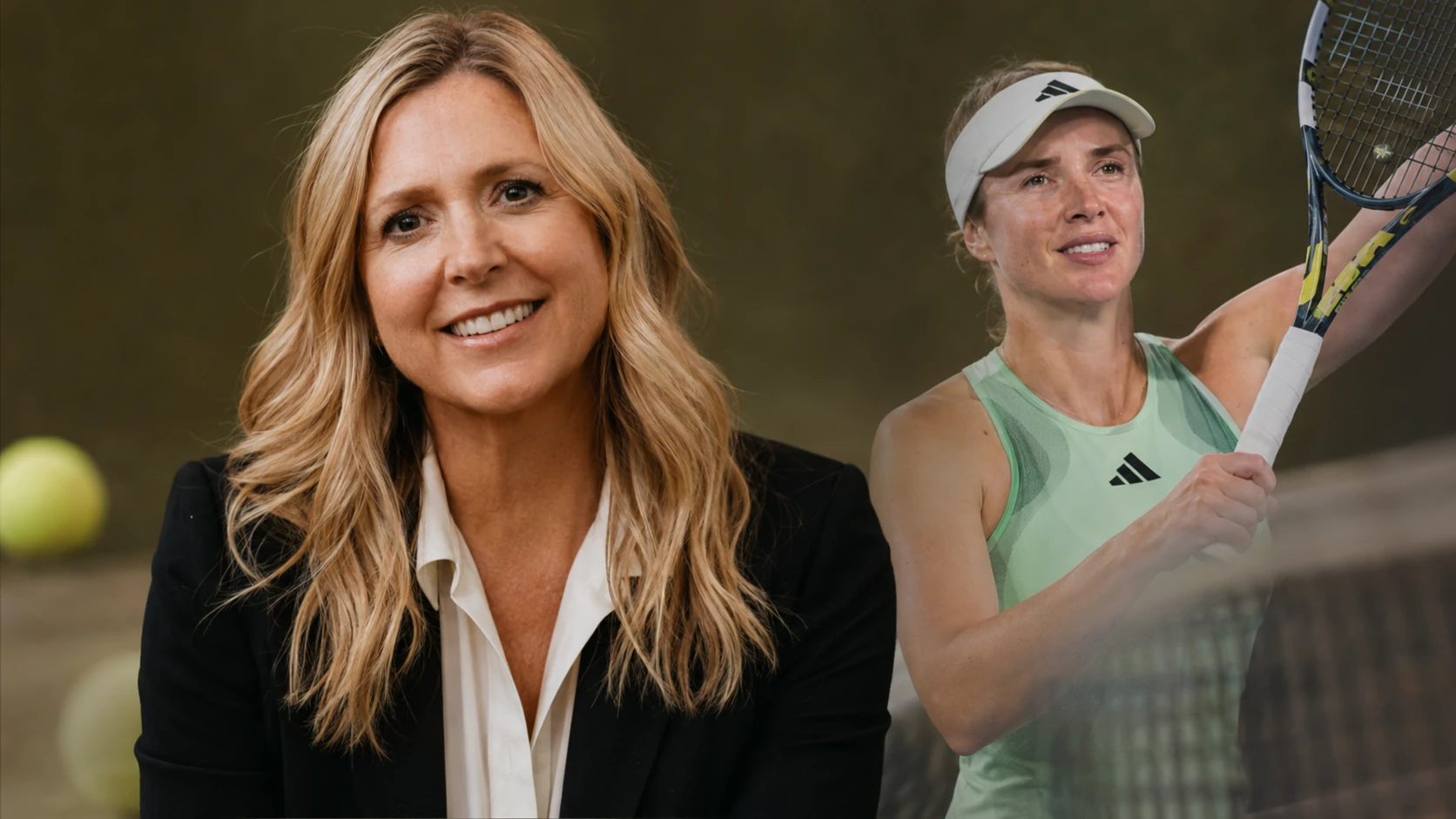
Gigi Salmon has built the kind of broadcasting career that becomes familiar before it becomes famous. For many tennis fans, her voice is part of the rhythm of Wimbledon, the US Open, BBC Radio 5 Live, Sky Sports Tennis, and the long season that now carries the sport almost year-round. She is not a former Grand Slam champion turned analyst, nor a presenter who made her name through celebrity. Her reputation rests on something quieter and more durable: preparation, live judgment, warmth, and the ability to make complicated tennis coverage feel clear.
That is why searches for gigi salmon usually come from viewers and listeners who have heard her on air and want to know more about the woman guiding the broadcast. She is a British sports broadcaster, presenter, commentator, interviewer, and podcast host, best known for her work in tennis. Her career has included roles with BBC Radio 5 Live, Sky Sports Tennis, Radio Wimbledon, Chelsea TV, Talksport, Roland-Garros media, ATP and WTA coverage, and the Tennish podcast. In a sports media world often dominated by former players and louder personalities, Salmon has become trusted through the craft of holding live coverage together.
Early Life and Education
Gigi Salmon’s early life is not as publicly documented as her professional career, which is common for broadcasters who have not made private biography part of their public identity. Public profiles generally place her birth in November 1976, making her part of a generation that came into media before social platforms turned personal lives into a permanent public archive. She is British, and her professional career has been rooted largely in the United Kingdom, though tennis has taken her into international tournament settings. The lack of wide public detail about her family background should not be treated as mystery; it simply reflects a career built around journalism and sport rather than personal exposure.
Her education is most often linked to Oxford Brookes University, a detail that appears in several public summaries of her background. What matters more than the name of the institution is what followed: a route into radio and live broadcasting at a time when local stations, specialist sports channels, and talk radio still served as serious proving grounds. Salmon’s career did not begin with one high-profile television break. It developed through the kind of steady media work that teaches timing, listening, accuracy, and the discipline needed when a live broadcast does not go according to plan.
First Steps in Broadcasting
Salmon’s media career is generally traced to the late 1990s, with early work at Radio Oxygen in 1997. That detail matters because radio remains one of the hardest places to learn broadcasting properly. There are no pictures to carry the story, no facial expressions to soften a missed beat, and very little room for vague language. A radio presenter has to be clear, quick, and alert to the needs of listeners who may be joining in the middle of a segment.
She later worked with Talksport, where she gained experience in news reading and sports journalism. Talk radio is a demanding environment because it requires confidence without overstatement and speed without sloppiness. It also teaches presenters how to shift tone, manage breaking developments, and keep information moving. Those early lessons would later become useful in tennis, where weather delays, injury timeouts, five-set matches, and changing schedules can disrupt even the best-prepared running order.
Chelsea TV and Wider Sports Experience
Before she became closely identified with tennis, Salmon also worked with Chelsea TV, the club television channel connected to Chelsea Football Club. That period broadened her sports broadcasting experience beyond radio and helped place her in a more visual, interview-driven setting. Club television requires presenters to understand not only the sport but also the mood of supporters, players, coaches, and a highly engaged audience. It is a different skill from neutral national coverage, but it builds confidence around athletes and live sports programming.
This part of her career is easy to overlook because tennis later became her best-known field. Still, it helps explain why Salmon’s broadcasting style feels grounded. She did not arrive in tennis as someone who only knew studio links or scripted introductions. She had already worked in environments where sport is emotional, time-sensitive, and deeply personal to its audience.
Becoming a Tennis Broadcaster
Tennis became the area most closely associated with Gigi Salmon because it suited her strengths. The sport asks a broadcaster to move between calm explanation and live tension, sometimes within the same minute. A match may turn on one service game, but the wider story may involve rankings, surfaces, injury history, coaching changes, national expectation, and a player’s mental state. Salmon’s skill has been to keep those elements organized without making the coverage feel heavy.
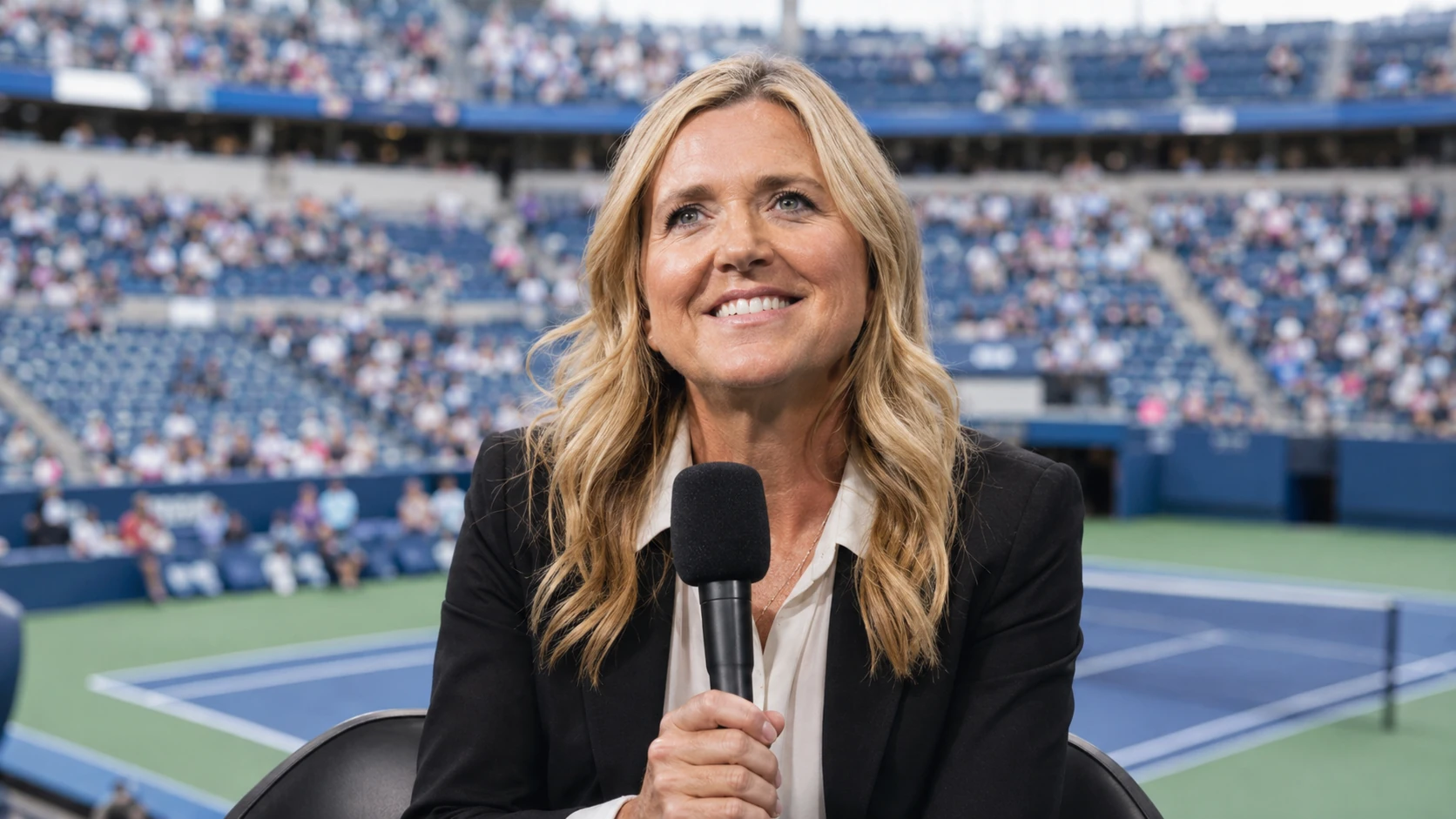 Her work has covered some of the sport’s biggest stages, including Wimbledon, the US Open, the Australian Open, and the French Open. She has been associated with BBC Radio 5 Live’s tennis output, Radio Wimbledon, Sky Sports Tennis, and tournament media linked to Roland-Garros. Those are not small assignments in British sports media. Tennis may not dominate the calendar in the same way football does, but during Grand Slam events it attracts casual viewers, expert fans, and listeners who expect a high standard of explanation.
BBC Radio 5 Live and Wimbledon
BBC Radio 5 Live has been central to Salmon’s public profile. Radio tennis is a particular art because the listener cannot see the scoreboard, the court position, the player’s body language, or the weather moving across the grounds. The broadcaster has to build enough of the scene for the listener to follow the action while still leaving space for the point itself. It requires restraint as much as knowledge.
Salmon’s work around Wimbledon helped make her a familiar name to British tennis followers. Wimbledon is more than another tournament in the UK media calendar; it is a national summer institution with its own language, rituals, delays, expectations, and audience habits. A presenter covering it must serve regular tennis followers and people who tune in only once a year. Salmon’s ability to move between those audiences is one reason she has remained a valued presence in tennis broadcasting.
Radio Wimbledon and the Value of Voice
Radio Wimbledon has also formed part of Salmon’s tennis story. The tournament’s own radio service has long been a place where expert commentary, court updates, interviews, and atmosphere come together. It is a natural home for a broadcaster who understands both match rhythm and event storytelling. Salmon’s association with that world deepened her connection to the tournament and to listeners who experience Wimbledon through sound as much as television.
What makes this kind of work meaningful is that it often leaves a subtle mark. Viewers remember images; radio listeners remember voices. A good tennis voice becomes part guide, part companion, and part editor, deciding what matters at each moment. Salmon’s broadcasting has often worked in that register, calm enough not to crowd the sport but present enough to keep the audience oriented.
Sky Sports Tennis and a Bigger Platform
Salmon’s public profile grew further with Sky Sports Tennis. Sky’s renewed commitment to tennis gave the sport a dedicated platform in the UK and Ireland, with coverage across the ATP Tour, WTA Tour, and the US Open. Salmon became one of the key presenters associated with that coverage. For viewers who may not have followed her radio work closely, Sky introduced her as a visible face of modern tennis broadcasting.
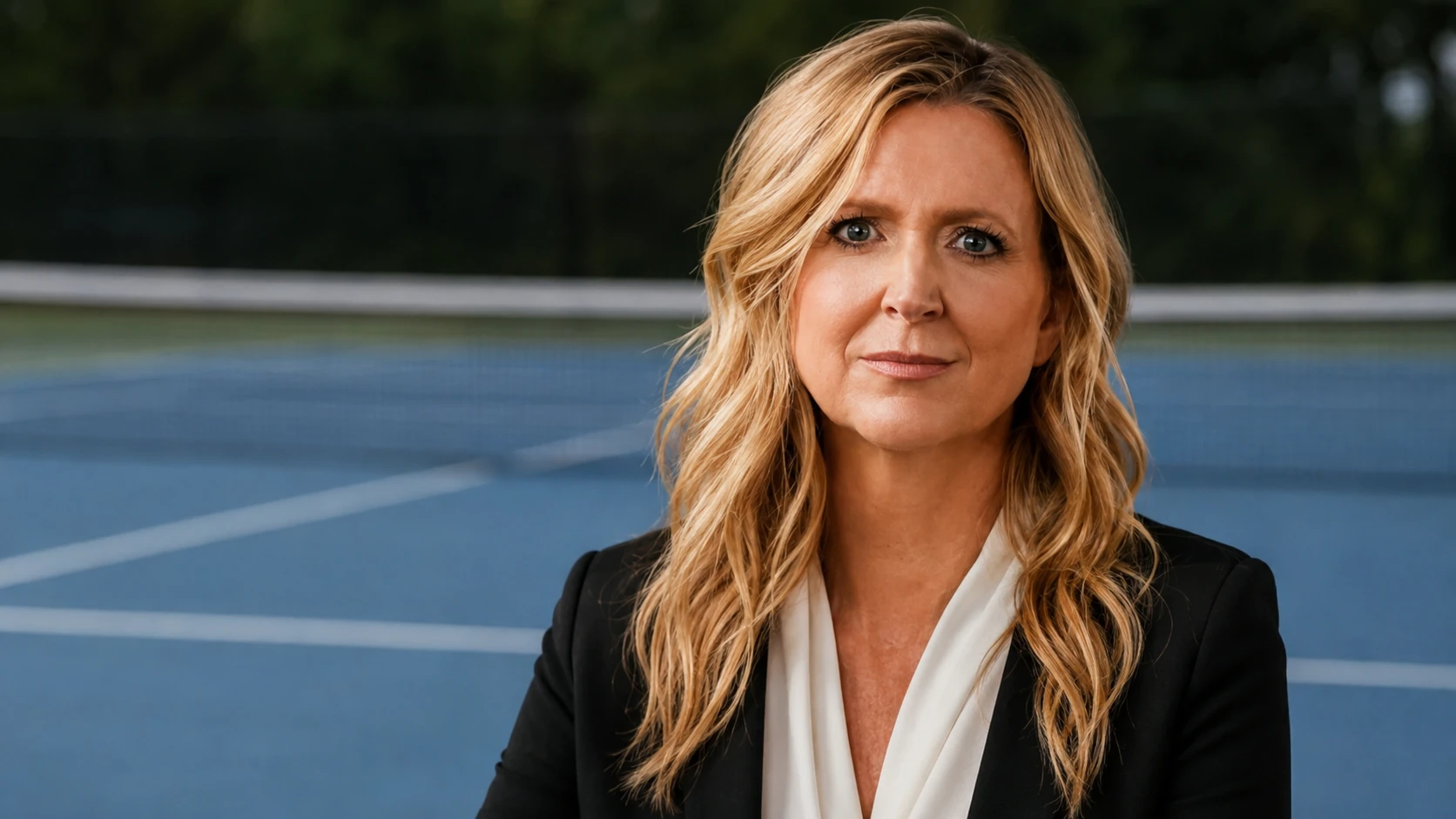
This was a meaningful development because presenting a major tennis broadcast is not just reading introductions. The host has to manage former players, analysts, live matches, schedule changes, interviews, and the energy of a long tournament day. Salmon has worked around major tennis names and expert voices, which requires both authority and generosity. The best studio presenters do not compete with analysts; they make analysts clearer, sharper, and more useful to the audience.
Working With Former Players and Experts
Tennis coverage often depends on a balanced partnership between career broadcasters and former players. Ex-professionals bring court-level knowledge that cannot be faked. They know how pressure feels, how a second serve can betray nerves, and how a match can change before the scoreline shows it. But that insight still needs shaping for television and radio.
This is where Salmon’s role becomes important. She frames questions, keeps discussion moving, and helps translate expert analysis into language that viewers can understand. A good presenter knows when to push for detail and when to step back. Salmon’s style tends to favor control rather than showiness, which is often exactly what a tennis panel needs.
The Tennish Podcast
Away from live tournament coverage, Salmon is also known for co-hosting the Tennish podcast with Naomi Cavaday. Cavaday, a former British professional player and broadcaster, brings firsthand playing knowledge, while Salmon brings long experience as an interviewer and presenter. The partnership works because the podcast allows tennis to be discussed with more space and personality than a tight television segment. It gives fans a way to follow the sport through conversation rather than only match calls.
The podcast format also reflects how tennis media has changed. Fans now follow players through broadcasts, press conferences, social media, ranking updates, injury news, podcasts, and tournament clips. A year-round tennis broadcaster needs to be comfortable across several formats. Salmon’s podcast work shows that her role in the sport is not limited to the formal studio desk.
Is Gigi Salmon a Former Tennis Player?
A common question about Gigi Salmon is whether she played tennis professionally. There is no reliable public record showing that she was a professional tennis player. Her established career is as a broadcaster, journalist, presenter, commentator, and interviewer. That distinction is useful because many viewers assume every tennis voice on air has a tour background.
The truth is that high-quality tennis coverage needs both types of expertise. Former players can explain technique, pressure, and locker-room realities, while career broadcasters bring structure, pacing, questioning, and editorial control. Salmon belongs to the second group. Her authority comes from years of covering the sport, working with experts, and guiding audiences through live events.
Public Image and Broadcasting Style
Gigi Salmon’s public image is professional, warm, and relatively private. She has not built her profile through controversy or oversharing. Instead, she has become known through the consistency of her work and the trust placed in her by major sports broadcasters. That kind of reputation can be less flashy, but in live sport it often lasts longer.
Her style is measured rather than theatrical. She can sound conversational without becoming casual, and informed without trying to dominate the discussion. That balance matters in tennis, where the sport itself already contains drama, silence, pressure, and sudden emotional swings. A presenter who adds too much noise can flatten the match; Salmon’s strength is that she helps the broadcast breathe.
Personal Life, Family, and Privacy
Gigi Salmon has kept much of her personal life away from public view. Reliable public sources do not offer a detailed account of her parents, siblings, marriage, children, or domestic life. That absence should be handled carefully, especially in a biography. It would be irresponsible to fill those gaps with speculation simply because readers search for them.
What can be said with confidence is that Salmon’s public identity is centered on work rather than personal publicity. Many broadcasters make the same choice, especially those whose careers depend on journalism, live presentation, and trust. In her case, the available record points clearly to her professional path, while her family life remains largely private. Respecting that boundary is part of writing accurately about a public person whose fame is tied to a craft, not a confessional brand.
Net Worth, Salary, and Income Sources
There is no verified public net worth figure for Gigi Salmon. Websites that claim exact numbers for broadcasters often use estimates without showing reliable evidence. In Salmon’s case, any precise figure should be treated with caution unless it comes from a confirmed financial disclosure, credible reporting, or the broadcaster herself. A responsible biography should not present online guesses as fact.
Her likely income sources are easier to describe in general terms. Salmon works as a sports broadcaster and presenter across television, radio, event coverage, written tennis content, and podcasting. Freelance sports media careers often involve several contracts rather than one simple salary. Her work with major outlets and tournaments suggests a respected professional standing, but it does not allow a trustworthy calculation of personal wealth.
Career Standing and Industry Reputation
Salmon’s career standing comes from longevity and repeated trust on major assignments. In broadcasting, that matters more than public noise. Producers return to presenters who can handle pressure, stay accurate, work well with talent, and keep coverage steady when events change. Tennis gives plenty of chances for things to change quickly.
Her reputation also reflects the fact that she has worked across both radio and television. Some presenters excel in one medium but struggle in the other because the skills are not identical. Radio requires description and verbal precision, while television demands visual awareness, studio control, and a different pace of conversation. Salmon’s ability to move between them has given her a broad professional base.
Why Gigi Salmon Matters in Tennis Coverage
Gigi Salmon matters because tennis broadcasting needs people who can make the sport accessible without reducing it to clichés. Tennis can confuse occasional viewers with ranking points, seeds, surfaces, protected rankings, wild cards, qualifiers, tiebreak rules, and tournament categories. The presenter’s job is to guide viewers through that information at the right moment. Done well, the audience barely notices how much work is happening.
She also represents a model of sports broadcasting that prizes steadiness over spectacle. That may sound modest, but it is essential. During a Grand Slam, a presenter may need to handle a shock defeat, a retirement, a long delay, a tense interview, and a sudden switch to another court. Salmon’s career has been built in precisely those conditions.
Women in Sports Broadcasting
Salmon’s career also sits within a wider change in sports media. Women have long worked in sports broadcasting, but the most visible roles were historically limited by old assumptions about authority, expertise, and audience expectations. Tennis has offered more space for women than some sports because the women’s game has a major global profile and because Grand Slam events naturally cover both men’s and women’s draws. Even so, trust in lead presenting roles still has to be earned.
Salmon has earned that trust through work rather than slogans. She is part of a generation of women broadcasters who have become normal, authoritative presences across major sports coverage. That normalization is important. The goal is not to make gender the story every time a woman presents sport, but to recognize the professional path that made her presence feel natural to viewers and listeners.
Current Work and What She Is Doing Now
Gigi Salmon remains active as a sports broadcaster, with tennis still at the center of her public profile. Her current work is most closely associated with Sky Sports Tennis, BBC tennis coverage, live tournament presentation, and the Tennish podcast. Because freelance broadcast schedules change across the year, her exact assignments can shift by tournament, rights package, and production needs. What remains consistent is her place as one of the recognizable British voices around the sport.
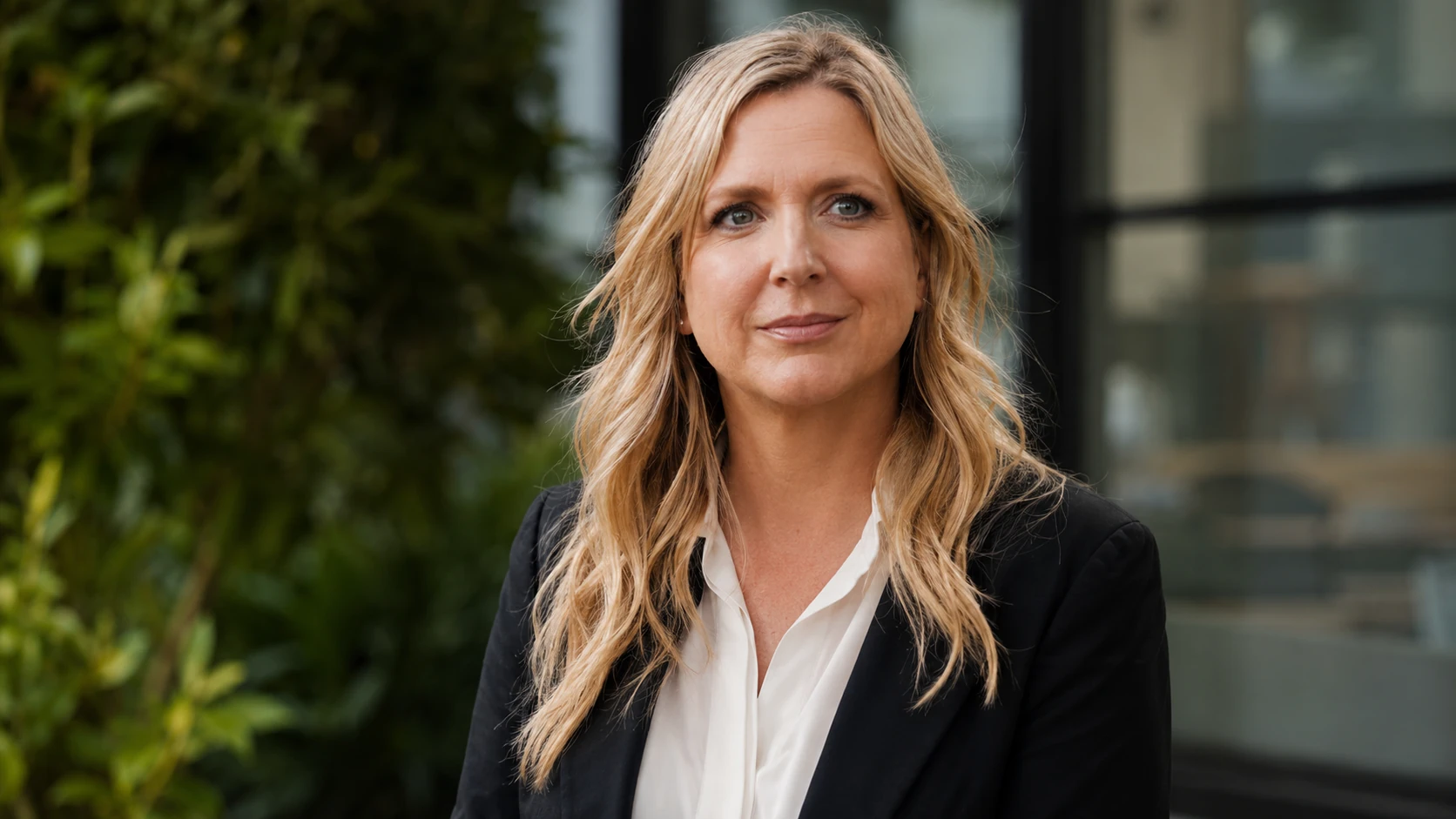
Her role is especially relevant now because tennis coverage has become more spread out across platforms. Fans may watch a match on television, listen on radio, follow clips online, and then hear a podcast discussion the next day. Salmon’s career fits that media reality. She is not tied to only one form of coverage, which makes her valuable in a sport that no longer lives in one broadcast window.
Frequently Asked Questions
Who is Gigi Salmon?
Gigi Salmon is a British sports broadcaster, presenter, commentator, interviewer, and journalist best known for tennis coverage. She has worked with BBC Radio 5 Live, Sky Sports Tennis, Radio Wimbledon, Chelsea TV, Talksport, and other sports media outlets. Her name is especially familiar to fans who follow Wimbledon, the US Open, and year-round tennis programming.
She is respected for guiding live coverage, interviewing players and experts, and working alongside former professional players in studio and radio settings. Her career has developed steadily over many years rather than through one sudden fame-making moment. That long record is central to her credibility.
Is Gigi Salmon a former professional tennis player?
No reliable public record identifies Gigi Salmon as a former professional tennis player. She is known as a sports broadcaster and journalist rather than a former tour professional. Her tennis authority comes from covering the sport over many years and working closely with expert analysts.
This distinction is common in tennis media. Broadcast teams often combine career presenters with former players because each brings a different skill. Salmon’s role is to guide the program, ask informed questions, manage transitions, and keep viewers or listeners connected to the story.
How old is Gigi Salmon?
Public profiles commonly list Gigi Salmon’s birth date as November 1976. Based on that, she would be in her late forties in 2026. Exact personal details should still be treated with care unless confirmed by a current official profile or direct public statement.
Unlike some media personalities, Salmon has not made age or personal milestones a central part of her public brand. Her professional biography is much more clearly documented than her private life. Most readers know her through her tennis and sports broadcasting work.
Is Gigi Salmon married?
There is no widely verified public information confirming Gigi Salmon’s marital status. Some search results and informal websites may speculate about her private life, but those claims should not be treated as reliable without clear sourcing. A careful profile should not invent family details to satisfy curiosity.
Salmon appears to keep her personal life separate from her professional work. That is a reasonable boundary for a broadcaster whose public role is tied to journalism and sport. The most trustworthy information about her concerns her career, not her private relationships.
What is Gigi Salmon’s net worth?
There is no confirmed public net worth figure for Gigi Salmon. Any exact number found online should be treated as an estimate unless it is supported by credible reporting or direct disclosure. Broadcaster net worth claims are often repeated without evidence.
Her income likely comes from sports presenting, radio and television work, tournament coverage, event hosting, writing, and podcasting. Because freelance media careers often involve several contracts, a simple salary figure would not capture the full picture. Her career standing is better measured by her assignments than by unsupported money claims.
What is Gigi Salmon best known for?
Gigi Salmon is best known for tennis broadcasting, especially her work connected with BBC Radio 5 Live, Wimbledon, Sky Sports Tennis, and major tournament coverage. She has also worked across wider sports media, including Chelsea TV and Talksport. Her voice and presenting style are familiar to British tennis fans who follow the sport closely.
She is also known for co-hosting the Tennish podcast with Naomi Cavaday. That work gives fans a more conversational view of tennis beyond match broadcasts. It has helped strengthen her profile among year-round followers of the sport.
Where is Gigi Salmon now?
Gigi Salmon remains active in sports broadcasting, with tennis as her main public focus. She continues to be associated with Sky Sports Tennis, BBC tennis output, podcasting, and live tournament coverage. Her assignments may vary across the season because much of sports broadcasting depends on event schedules and rights arrangements.
Her current status is that of an established British tennis broadcaster rather than a retired media figure. She remains part of the group of presenters helping shape how UK audiences follow the sport. That ongoing role is why searches for her name continue around major tennis events.
Conclusion
Gigi Salmon’s story is not the kind built around scandal, reinvention, or sudden celebrity. It is the story of a broadcaster who learned her trade through radio, widened her experience through sports television, and found her clearest professional home in tennis. Her career shows how much live sport depends on people who can keep a broadcast steady while letting the athletes remain the focus.
What makes her interesting is not only where she has worked, but how she has worked. Salmon has become trusted because she brings order to a sport that can be unpredictable, emotional, and technically complex. She understands that the best presenter is not always the loudest person in the room.
For readers searching gigi salmon, the answer is clear. She is one of the familiar British voices of modern tennis coverage, a broadcaster whose public life is defined by professionalism rather than spectacle. As tennis continues to move across television, radio, podcasts, and streaming platforms, her kind of steady, informed presence still matters.
