

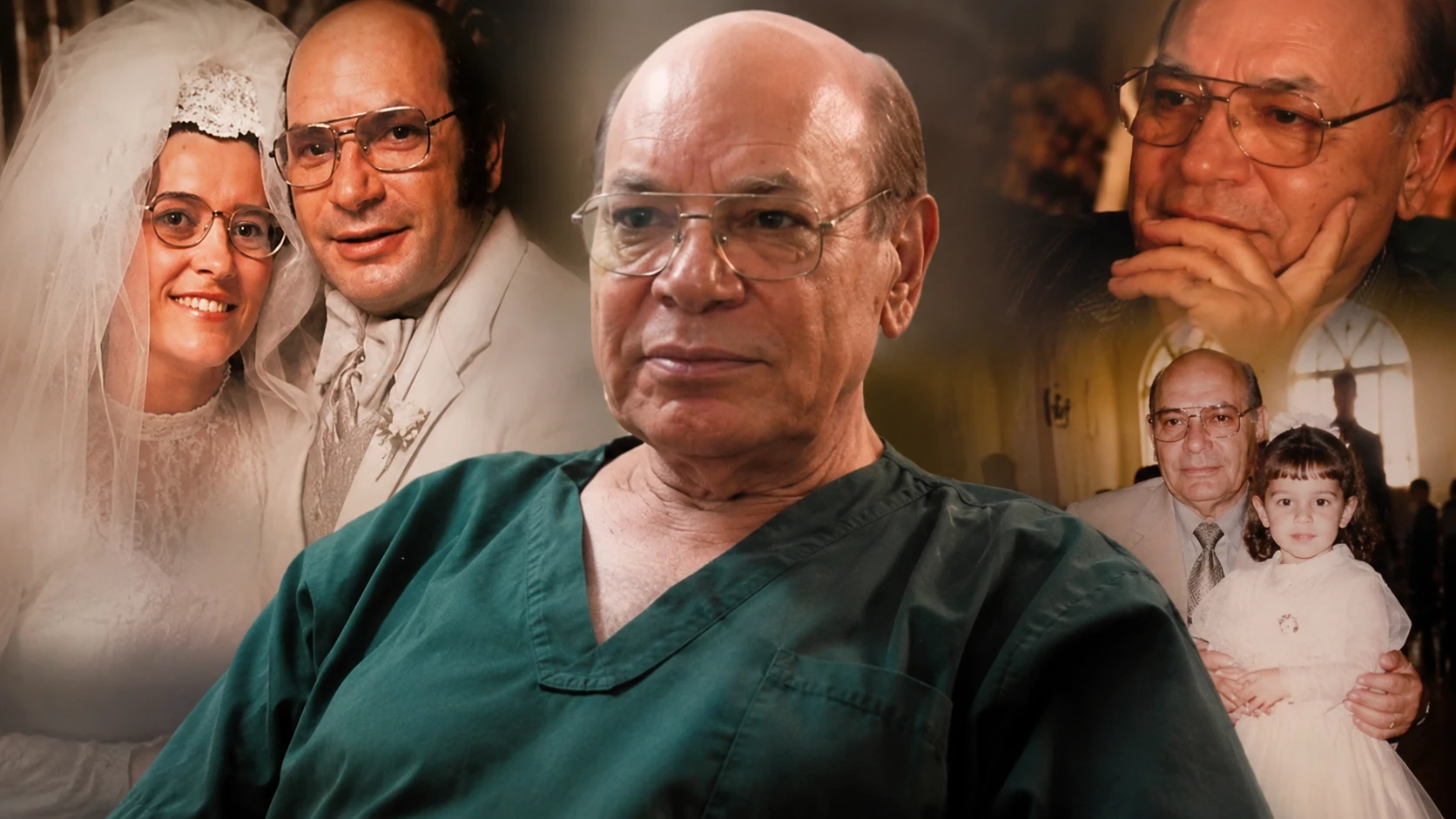
Sayyed Bozorg Mahmoody became known to the world not through his medical career, his education, or any public achievement of his own, but through one of the most widely read family-escape stories of the late twentieth century. To readers of Not Without My Daughter, he was “Moody,” the Iranian physician accused by his American wife, Betty Mahmoody, of trapping her and their young daughter in Iran. To viewers of the 1991 film, he became a frightening screen figure, portrayed as a husband whose charm gave way to control and violence. To his own defenders, he was a man who believed the world had accepted only one side of a broken family’s story.
The truth readers usually search for sits in that difficult space between biography, accusation, public memory, and cultural argument. Sayyed Bozorg Mahmoody was a real man, an Iranian-born doctor who lived for years in the United States, married an American woman, fathered a daughter, and later died in Tehran after decades of estrangement from that child. His name still carries emotional weight because Betty and Mahtob Mahmoody’s accounts describe fear, confinement, and escape, while Mahmoody’s later response denied the monstrous image attached to him. Any serious profile has to keep those facts in view without turning a painful family case into either myth or gossip.
Mahmoody’s life is therefore not a standard celebrity biography. There is no neat career arc, no public awards list, no carefully managed comeback, and no verified fortune to analyze. His biography matters because it asks harder questions: how private family conflict becomes global media, how a custody dispute crosses borders, how a father’s image can be fixed by a bestselling memoir and a Hollywood film, and how a daughter grows up carrying a story the world thinks it already knows.
Early Life and Iranian Background
Sayyed Bozorg Mahmoody was born in Iran, commonly reported as around 1939, though some personal details from his early life remain less clearly documented in public sources than the events that later made him famous. He came from a country whose political identity changed sharply during his lifetime, moving from monarchy to revolution, from alliance with the West to deep conflict with the United States. That broader national history would later shape how American audiences interpreted his family’s story. It also made his life, in public memory, inseparable from the Iran of the 1980s.
Accounts connected to Mahmoody’s own side of the story describe him as coming from a respected family and losing his parents at a young age. Those details are often repeated in summaries of his later book, Lost Without My Daughter, but they are harder to independently verify through neutral public records. What can be said safely is that he received enough education and professional training to practice medicine and eventually work as an anesthetist. That achievement suggests a serious academic path, discipline, and access to advanced medical training.
Iranian names and titles can also create confusion for Western readers. “Sayyed” is often used in Muslim cultures for men who claim descent from the Prophet Muhammad, though in a biographical article it should not be treated as proof of character or social standing on its own. “Bozorg” means “great” or “elder” in Persian, and “Mahmoody” is the family name most recognized by readers of Betty Mahmoody’s memoir. In the United States, he was often known simply as “Moody,” a nickname that later became loaded with meaning because of the book and film.
His early life is important not because it explains everything that followed, but because it reminds readers that he was not born as a symbol. He had a family history, a culture, an education, and ambitions before he became known through his wife’s allegations. The public record gives only partial access to that earlier man. The later case, by contrast, is documented and debated in far greater detail.
Education, Medicine, and Life Abroad
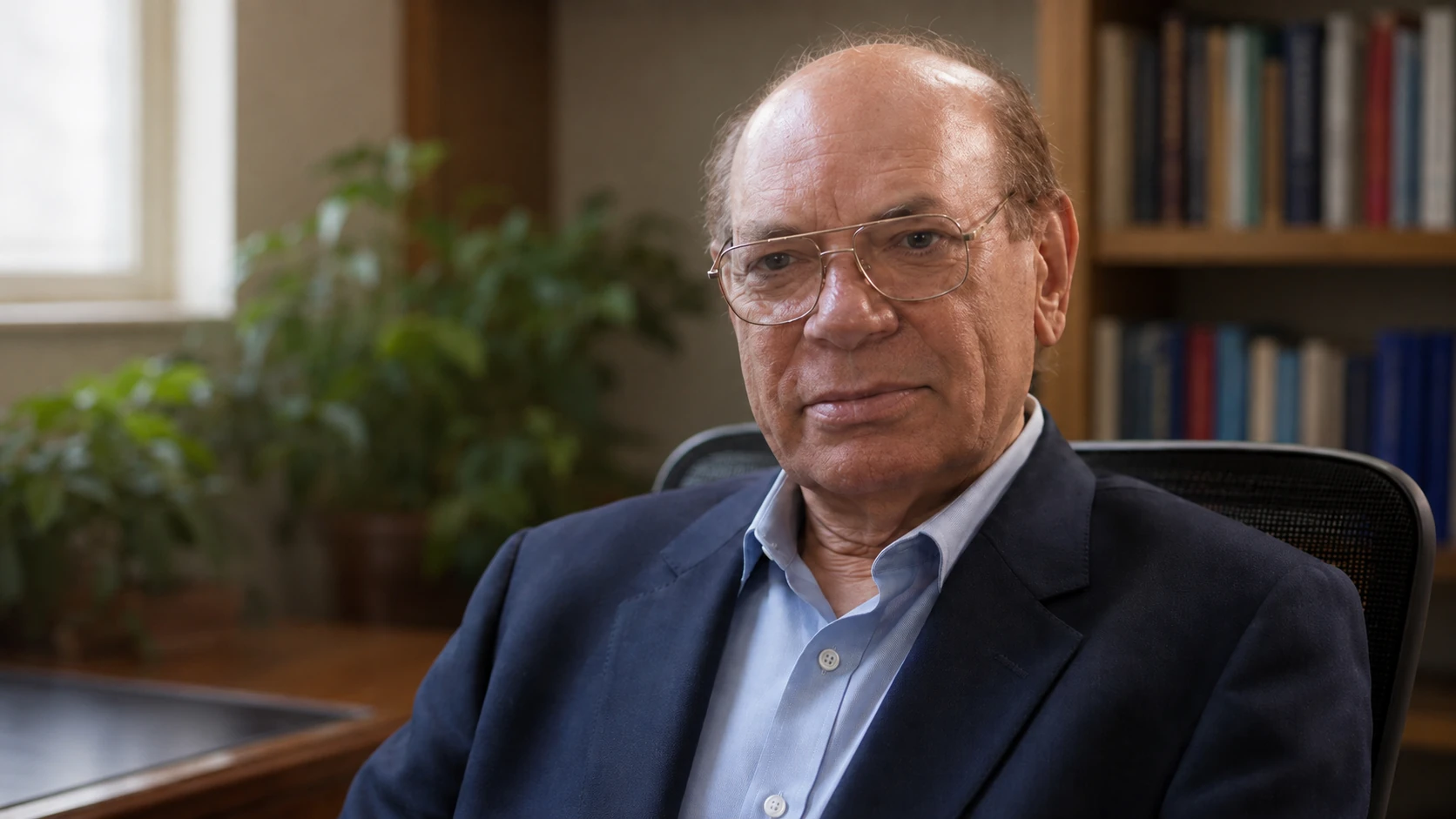
Mahmoody’s professional identity was built around medicine. He was trained as a doctor and later worked in anesthesiology, a field that requires calm judgment, technical skill, and responsibility under pressure. Public accounts describe him as having spent time outside Iran for education and work, including years in the United States. That international path was not unusual for ambitious professionals from Iran’s educated classes in the decades before and after the 1979 revolution.
His medical background matters because it shaped how Betty Mahmoody first knew him. He was not presented in her story as a mysterious outsider with no connection to American life. He was a physician who had lived in the United States, worked in American medical settings, and moved through professional circles. That made the later rupture more shocking to readers because it suggested that cultural familiarity did not guarantee safety or shared values inside a marriage.
The available public record does not support a credible estimate of his net worth. There are no reliable financial disclosures, estate records, or detailed salary documents widely available for Mahmoody. He earned income through medicine, and later accounts say he continued to work in Tehran as an anesthetist and lecturer. But any precise claim about his wealth would be guesswork, and serious biography should avoid turning thin information into false certainty.
After the family separation, Mahmoody’s career never became the center of his public identity. He remained known because of the claims made against him, not because of a public medical legacy. That imbalance is one of the defining features of his biography. A trained doctor became, in global memory, almost entirely the husband and father from Not Without My Daughter.
Marriage to Betty Mahmoody
Sayyed Bozorg Mahmoody married Betty Lover, later Betty Mahmoody, in 1977. Betty was an American woman from Michigan who had children from a previous marriage before she married him. Their daughter, Mahtob Mahmoody, was born in 1979 in the United States. For a time, the family appeared to live an ordinary middle-class American life built around marriage, parenting, and professional work.
Betty’s later account described the early relationship as loving enough for her to trust him deeply. She has written that he could be affectionate, intelligent, and devoted, which is part of what made her later fear so devastating. In her telling, the man she married in America changed drastically after the family traveled to Iran. That contrast between private tenderness and alleged control became central to the emotional force of her memoir.
Mahmoody disputed the portrait that emerged from Betty’s book and the film. His later response, associated with the documentary Without My Daughter and the book Lost Without My Daughter, presented him as a father wounded by separation and misrepresentation. He denied being the cruel figure the public believed it knew. The conflict between those accounts remains part of why his name continues to draw search interest.
A fair biography cannot pretend to settle every private moment of that marriage from the outside. It can, however, state the established public outcome. Betty and Mahtob left Iran without him, returned to the United States, and did not resume family life with him. Their estrangement lasted for the rest of his life.
The Trip to Iran That Changed Everything
The defining event in Mahmoody’s public life began in August 1984, when he, Betty, and their daughter Mahtob traveled from the United States to Iran. Betty later wrote that she agreed to the trip because Mahmoody told her it would be a short visit to see his relatives. According to her memoir, the planned visit was supposed to last about two weeks. Instead, she said, she and Mahtob remained in Iran for roughly 18 months before escaping.
The timing of the trip is crucial. Iran in 1984 was still shaped by the aftermath of the 1979 Islamic Revolution and was in the middle of the Iran-Iraq War. Relations between Iran and the United States were bitter after the hostage crisis, and the United States had no normal embassy operations in Tehran. For an American woman who believed she had been stranded, that diplomatic reality made help much harder to secure.
Betty’s account says Mahmoody took control of their documents and refused to allow her and Mahtob to return to America. She described physical violence, threats, surveillance, and a legal environment that treated her and Mahtob through Mahmoody’s authority. Her version of events turned a family visit into a captivity story. It also made the case one of the most recognizable examples of international family abduction in American popular culture.
Mahmoody’s side rejected that version, but the basic outcome is not disputed. Betty and Mahtob did leave Iran secretly, and they returned to the United States without him. They did not go back to live with him afterward. Whatever one makes of the competing accounts, the trip destroyed the marriage and defined all three lives in public memory.
Betty Mahmoody’s Allegations
Betty Mahmoody’s 1987 memoir Not Without My Daughter, written with William Hoffer, presented Sayyed Bozorg Mahmoody as an abusive husband who trapped her and their daughter in Iran. The book became a bestseller because it combined a mother’s terror, a child’s vulnerability, and the political fear many American readers already associated with Iran. It was written with the pace of a survival story, but its accusations were deeply personal. Betty did not describe a misunderstanding; she described coercion and danger.
Her allegations included passport control, confinement, physical abuse, threats, and forced separation from the life she had known in the United States. She wrote that she tried to seek help but found that her status as Mahmoody’s wife limited what foreign officials could do for her in Iran. The emotional center of the book was her refusal to leave without Mahtob. That maternal determination gave the memoir both its title and its lasting public power.
The book’s influence was enormous. It helped shape American understanding of cross-border custody disputes and became a reference point for parents afraid of losing children across national lines. It also became controversial because many readers and critics felt it painted Iranians and Muslims too broadly through the lens of one family’s trauma. That criticism should be taken seriously, but it does not automatically invalidate Betty’s account of what she said happened to her.
The most careful reading separates two issues. One is the alleged conduct of Sayyed Bozorg Mahmoody toward his wife and daughter. The other is how the book and film presented Iran and Islam to Western audiences. Readers can recognize the harm Betty and Mahtob described while also acknowledging that mass-market storytelling can turn a specific abuse case into a cultural stereotype.
Mahtob Mahmoody’s Childhood and Later Account
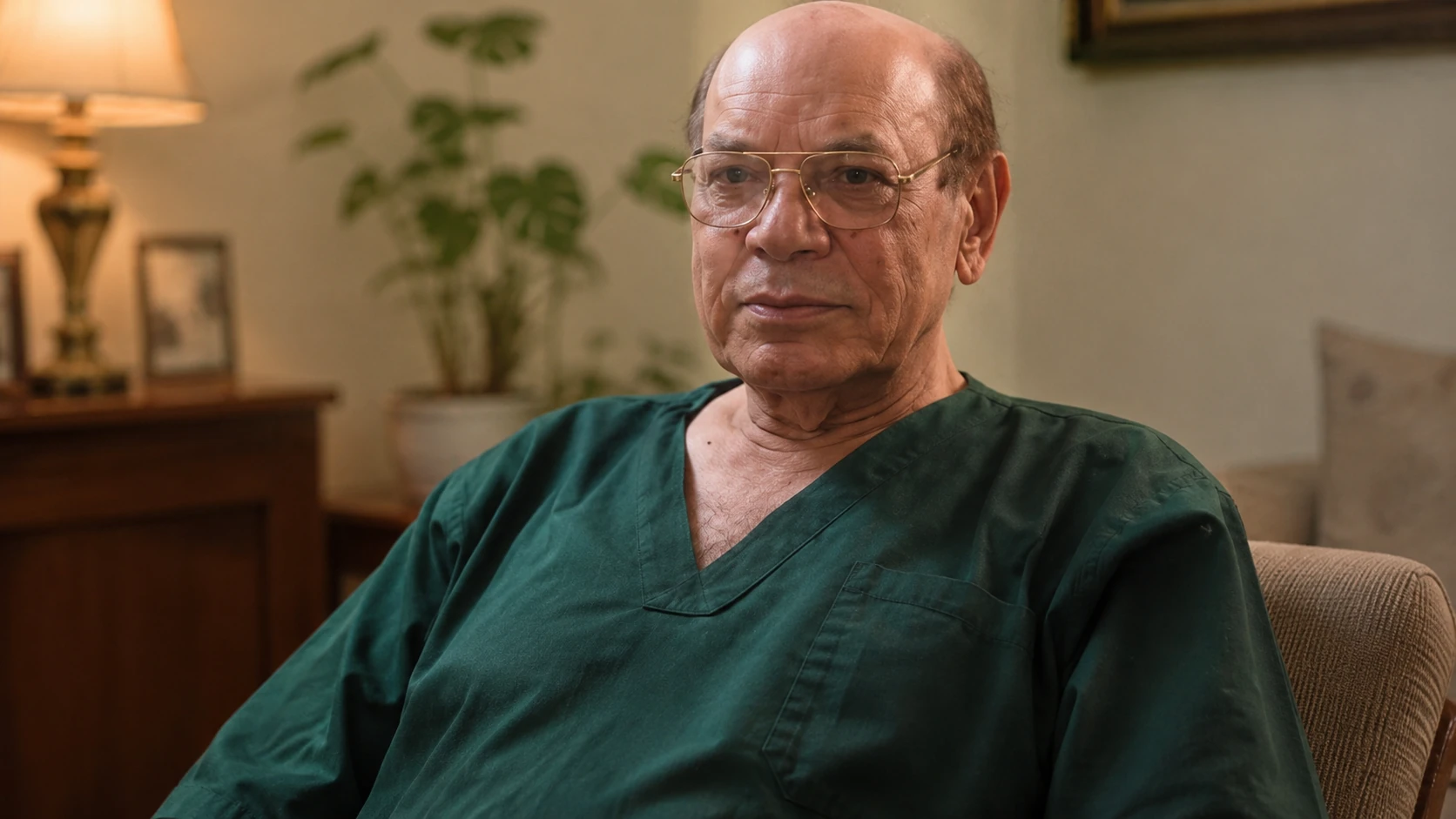
Mahtob Mahmoody was the child at the center of the case, and her later voice changed how many readers understood it. Born in 1979, she was very young when the family traveled to Iran and still a child when she returned to the United States with her mother. For years, she was known mostly as the daughter in Betty’s story. As an adult, she wrote My Name Is Mahtob, giving her own perspective on the events and their aftermath.
Mahtob’s account did not simply repeat her mother’s memoir in a smaller voice. She wrote about fear, identity, memory, illness, faith, and the complicated process of living after a public childhood trauma. She described the experience of growing up under the shadow of her father’s possible return. Her story helped readers see that escape was not the end of the damage.
Her later reflections also complicated the public image of the case. Mahtob has spoken about forgiveness, but not in a way that erased what she said happened. Forgiveness, in her framing, was part of healing and spiritual survival. It was not a denial of fear or a correction of her mother’s claims.
For Mahmoody’s biography, Mahtob’s voice is essential because his identity as a father cannot be understood only through his own wish to be seen differently. A father’s public image is also shaped by the child who lived under his authority and later chose not to return to him. Mahtob’s adult life stands as one of the most important aftereffects of his choices and the family’s rupture.
The Film and the Making of a Public Villain
The 1991 film Not Without My Daughter brought the Mahmoody case to an even larger audience. Sally Field played Betty, while Alfred Molina portrayed Sayyed Bozorg Mahmoody, known in the film as Moody. The movie followed the broad outline of Betty’s memoir and turned the story into a tense escape drama. For many viewers, the film became the definitive version of Mahmoody’s life.
That screen portrayal had lasting consequences. A memoir asks readers to imagine a person; a film gives them a face, a voice, a temper, and a set of visual memories. Molina’s performance fixed Moody in popular culture as a frightening and controlling husband. Even people who never read the book came away believing they knew who Sayyed Bozorg Mahmoody was.
The film also intensified criticism from Iranian and Muslim viewers who felt it reduced a country and a culture to menace. Some critics argued that it used real fear in a way that fed existing Western suspicion toward Iran. Others defended the film as a faithful dramatization of Betty’s ordeal and a warning about women trapped in abusive international marriages. Both reactions became part of the movie’s long afterlife.
For Mahmoody himself, the film meant that his public image was no longer his to control. His name became attached to one of the most hated husband figures in popular fact-based cinema. Whether he saw himself as wronged or not, the movie ensured that millions would encounter him first as a character defined by anger and domination. That is a powerful form of public judgment.
Mahmoody’s Response and the Other Side of the Story
Sayyed Bozorg Mahmoody later tried to answer the public account that had defined him. His perspective appeared in the documentary Without My Daughter, released years after the film, and in the book Lost Without My Daughter, which presented his version of events after his death. These works framed him as a father cut off from his daughter and a man harmed by a one-sided global narrative. They also sought to challenge details in Betty’s memoir and the movie.
Mahmoody’s response matters because biography should not erase a subject’s own claims, even when those claims are contested. He insisted that he was not the violent monster the public had been shown. He wanted Mahtob to hear his side and, according to accounts from his relatives, thought of her until the end of his life. That longing became a central theme of the defense built around him.
That said, his denial does not carry the same public weight as a proven exoneration. Betty and Mahtob both described the Iran period as frightening and harmful. They lived afterward in separation from him, and Mahtob did not reunite with him as an adult. Those facts strongly shape how most readers understand the case.
The truth is, Mahmoody’s rebuttal came after the public had already absorbed the memoir and film. Once a person becomes a symbol, later correction rarely reaches the same audience. His attempt to reclaim his image may explain his pain, but it does not undo the testimony of the wife and daughter who said they had to escape him. The record remains divided, but not empty.
Career, Income, and Public Standing
Outside the Mahmoody family case, Sayyed Bozorg Mahmoody’s career was rooted in medicine. He is generally described as a doctor and anesthetist, with later work in Tehran after Betty and Mahtob returned to the United States. Some accounts connected to his side say he also lectured at a university. These details suggest he retained professional standing in Iran despite the notoriety attached to his name abroad.
There is no credible public basis for a precise net worth estimate. Websites that produce celebrity-style wealth figures often rely on guesswork, and Mahmoody was not a public business figure with transparent assets. His income likely came from medical practice and teaching, but the scale of that income is not reliably documented. A responsible account should say plainly that his net worth is unknown.
His public standing differed sharply depending on audience. In much of the United States, he was remembered as the husband from Not Without My Daughter, a shorthand for fear and control. In accounts sympathetic to him, he was portrayed as a father who lost his child and was unable to answer a global media machine. In Iranian and diaspora conversations, the case often became entangled with anger over how Iran was depicted.
That split reputation followed him until death. He did not become a public advocate, politician, or media personality in the way Betty did after the book’s success. His public identity remained reactive, built around answering or resisting the story told about him. That is a difficult kind of fame because it gives attention without control.
Death in Tehran and Final Years
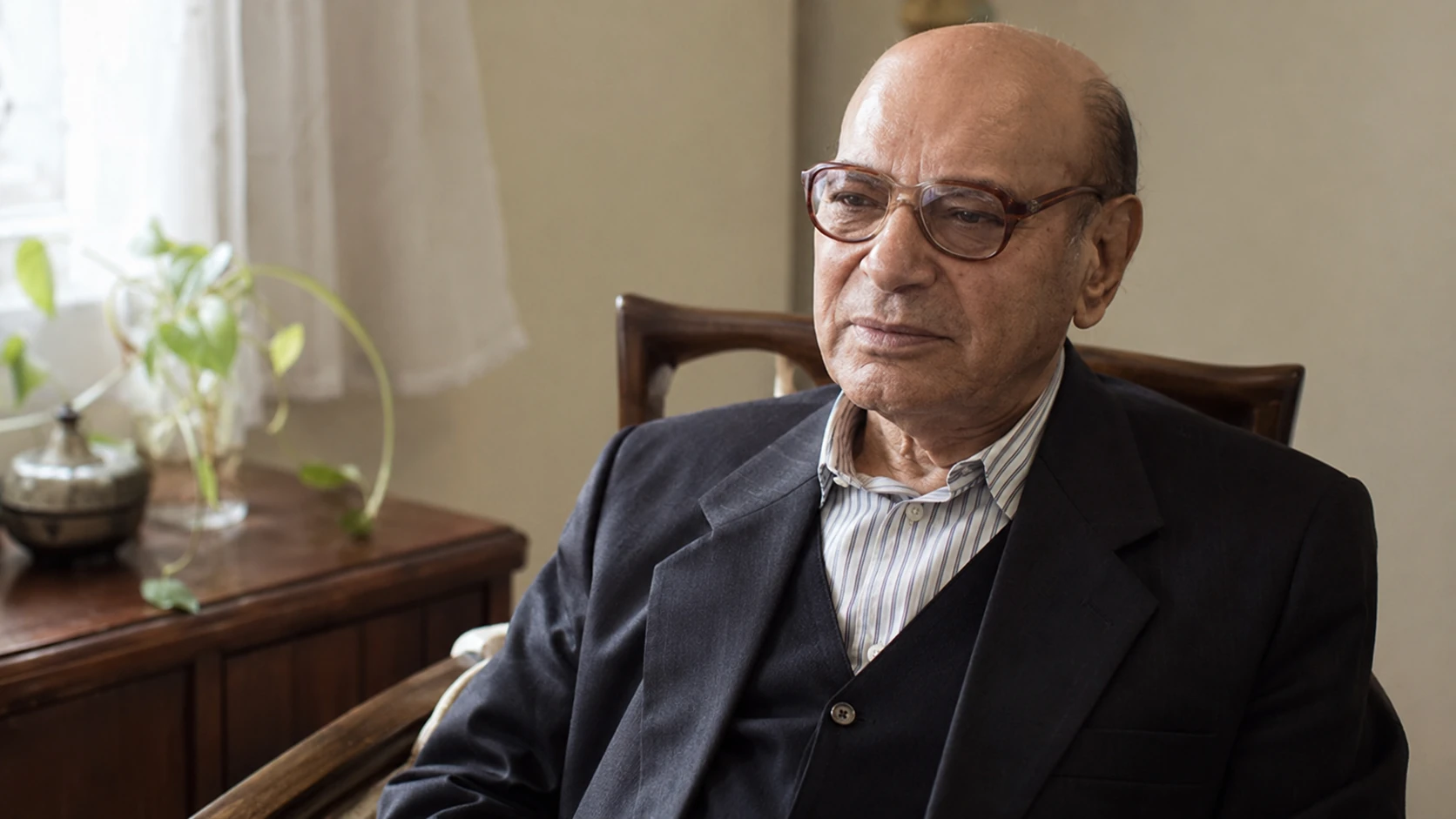
Sayyed Bozorg Mahmoody died in Tehran in August 2009 at the age of 70. Reports at the time said he died in a hospital after kidney problems and related complications. Some sources give August 22 as the date, while others give August 23, reflecting a small inconsistency in secondary reporting. What is clear is that he died in Iran and did not see Mahtob again before his death.
His final years appear to have been marked by continued separation from his daughter. Relatives described him as still thinking of Mahtob and wanting contact with her. That detail gives his final chapter a human sadness, even for readers who accept Betty and Mahtob’s account of abuse. A person can cause harm and still experience loss.
There is no public evidence that Mahmoody repaired his relationship with Betty or Mahtob. Betty continued to be associated with advocacy and public speaking around child abduction and related issues. Mahtob later built her own public voice through writing and interviews. Mahmoody remained the absent figure at the center of their story.
His death closed the possibility of a direct public reconciliation. It also froze the competing narratives in place. Betty and Mahtob’s accounts remain the dominant public record, while Mahmoody’s response exists as a contested counter-story. Readers looking for a neat ending will not find one.
Public Image, Controversy, and Cultural Impact
The Mahmoody case became more than one family’s story because it arrived at a charged moment in American cultural life. The Iran hostage crisis was still fresh in public memory, and many Americans viewed Iran through suspicion and fear. Betty’s story entered that environment with enormous emotional force. It gave readers a personal drama that seemed to confirm broader anxieties.
That cultural setting helped the book and film reach huge audiences, but it also made the story more controversial. Critics argued that the film especially portrayed Iranians as threatening and backward, flattening a diverse society into a hostile backdrop. Supporters countered that the central issue was not cultural sensitivity but one woman and child’s survival. The debate has never fully disappeared.
Sayyed Bozorg Mahmoody’s image sits at the center of that debate. If readers see him only as an abusive husband, the story becomes a warning about domestic power and international custody. If they see him mainly as a misrepresented Iranian man, the story becomes a case study in Western media bias. The most honest reading recognizes both the specific accusations and the broader concerns about representation.
That balance is not an attempt to soften the case. It is a way to keep the focus sharp. The alleged abuse belongs to Mahmoody, not to an entire culture. The criticism of the film belongs to its creators and the media environment around it, not to Betty’s fear itself. Separating those issues makes the story clearer and more humane.
Where Sayyed Bozorg Mahmoody Is Remembered Now
Today, Sayyed Bozorg Mahmoody is remembered mainly through the books and film connected to his family. Search interest in his name often comes from viewers who have watched Not Without My Daughter and want to know what happened to the real man. Others search because they are interested in Mahtob’s later life, Betty’s activism, or the truth behind the film. His biography is therefore inseparable from the questions people still bring to the case.
He is not remembered as a famous doctor in the usual public sense. His medical career, while real, has been overshadowed by the allegations that defined his international image. His own attempt to respond came too late to change the dominant public memory. In most accounts, he remains the man Betty and Mahtob fled.
That does not mean a biography should deny his humanity. Mahmoody was a son, a husband, a father, a physician, and a man shaped by migration, culture, pride, and family conflict. But humanity is not the same as vindication. The facts most firmly attached to his name involve a wife and child who said they were trapped and escaped.
His story still matters because it warns against easy readings. It asks readers to think about marriage, power, law, national identity, and the way media turns private pain into public narrative. It also asks readers to listen carefully when survivors describe what happened behind closed doors. That is why Sayyed Bozorg Mahmoody remains a troubling and searchable figure decades after the events that made him known.
Frequently Asked Questions
Who was Sayyed Bozorg Mahmoody?
Sayyed Bozorg Mahmoody was an Iranian-born doctor best known as the former husband of Betty Mahmoody and the father of Mahtob Mahmoody. He became internationally known after Betty’s memoir Not Without My Daughter accused him of holding her and their daughter in Iran against their will. Before that public controversy, he had lived in the United States and worked in medicine.
Was Sayyed Bozorg Mahmoody a doctor?
Yes, Sayyed Bozorg Mahmoody was trained as a doctor and is commonly described as an anesthetist. Accounts of his later life say he worked in Tehran after Betty and Mahtob returned to the United States. His medical career is part of his biography, but it is often overshadowed by the family case that made him famous.
What did Betty Mahmoody accuse him of?
Betty Mahmoody accused him of taking her and Mahtob to Iran for a short visit and then refusing to let them return to the United States. She also described physical abuse, threats, confinement, and control over their travel documents. Her account became the basis for the memoir Not Without My Daughter and the 1991 film adaptation.
Did Sayyed Bozorg Mahmoody deny Betty’s story?
Yes, Mahmoody denied the public portrayal of him as violent and abusive. His side of the story was presented through the documentary Without My Daughter and the book Lost Without My Daughter. He portrayed himself as a father separated from his child and damaged by a story he believed was unfair.
Did Mahtob Mahmoody ever reunite with her father?
Public accounts indicate that Mahtob Mahmoody did not reunite with Sayyed Bozorg Mahmoody after she and her mother escaped Iran. He died in 2009 without seeing her again. Mahtob later wrote about her experience in My Name Is Mahtob and discussed forgiveness as part of her personal healing.
When did Sayyed Bozorg Mahmoody die?
Sayyed Bozorg Mahmoody died in Tehran in August 2009 at age 70. Reports said he died after kidney problems and related health complications. Some sources differ by one day on the exact date, but his death in Tehran in August 2009 is widely reported.
What was Sayyed Bozorg Mahmoody’s net worth?
There is no reliable public estimate of Sayyed Bozorg Mahmoody’s net worth. He earned his living through medicine, and some accounts say he also worked as a lecturer in Tehran. Without verified financial records, any exact figure would be speculation.
Conclusion
Sayyed Bozorg Mahmoody’s biography is difficult because his public life is mostly known through conflict. He was a trained doctor and father, but the world remembers him through the fear described by Betty and Mahtob Mahmoody. That does not make every private detail knowable, but it does define the record readers have.
The story also shows how quickly a family crisis can become a cultural symbol. Betty’s memoir and the film adaptation turned Mahmoody into an international figure, while criticism of the movie opened wider arguments about Iran, Islam, and Western storytelling. Those debates continue because the case touched real wounds on more than one side.
Still, the center of the story remains personal. A mother and daughter said they were trapped, escaped, and lived afterward with the consequences. A father denied the image attached to him and died without seeing his daughter again. Sayyed Bozorg Mahmoody remains remembered because that unresolved fracture still asks readers to think carefully about power, truth, family, and memory.
